
 En
En  中文简体
中文简体Home / News / Industry News / Top HRSG Supplier Trends: Maximizing Efficiency in 2026
HRSG
High-Efficiency Heat Recovery Steam Generator, Natural Gas and Oil.
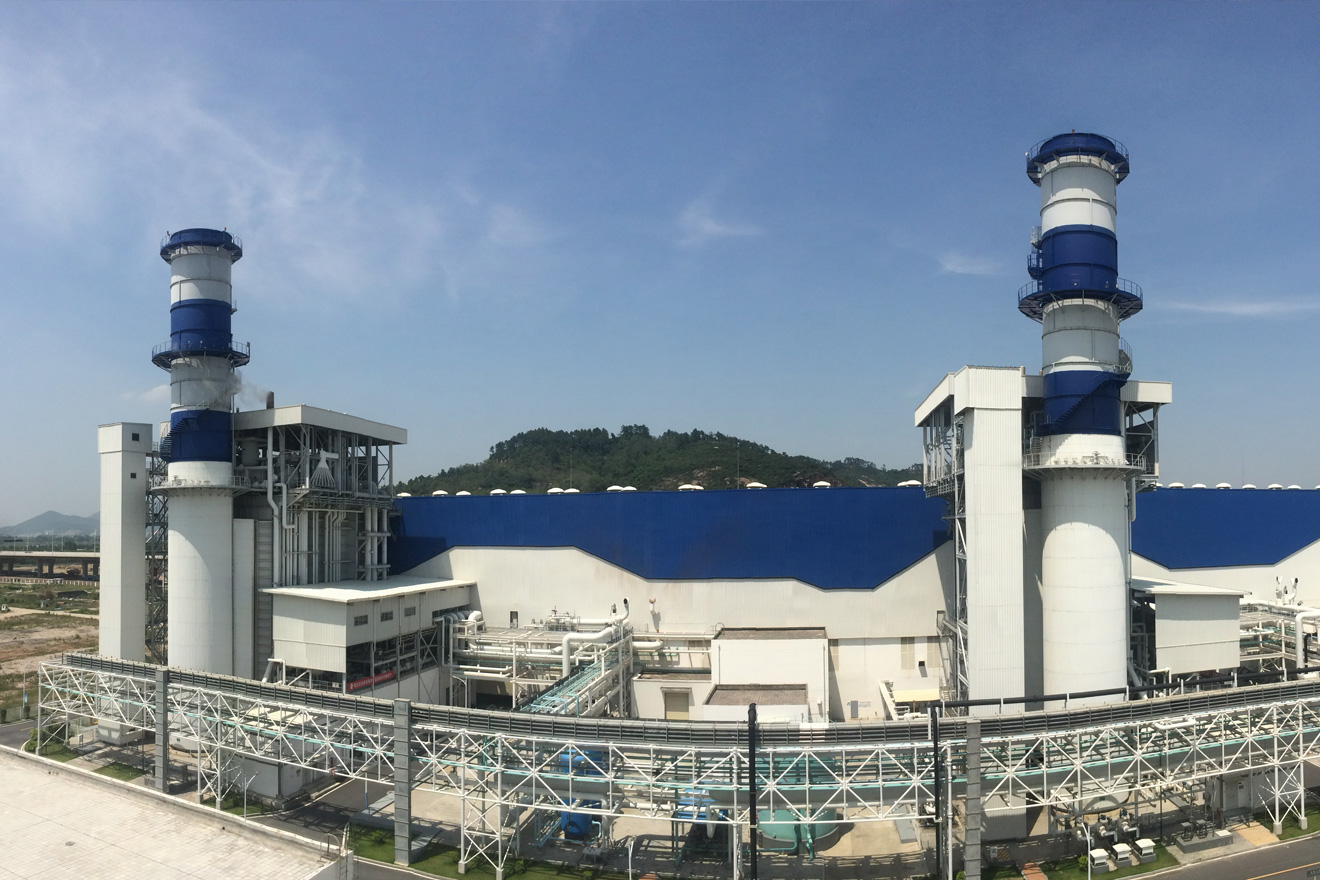
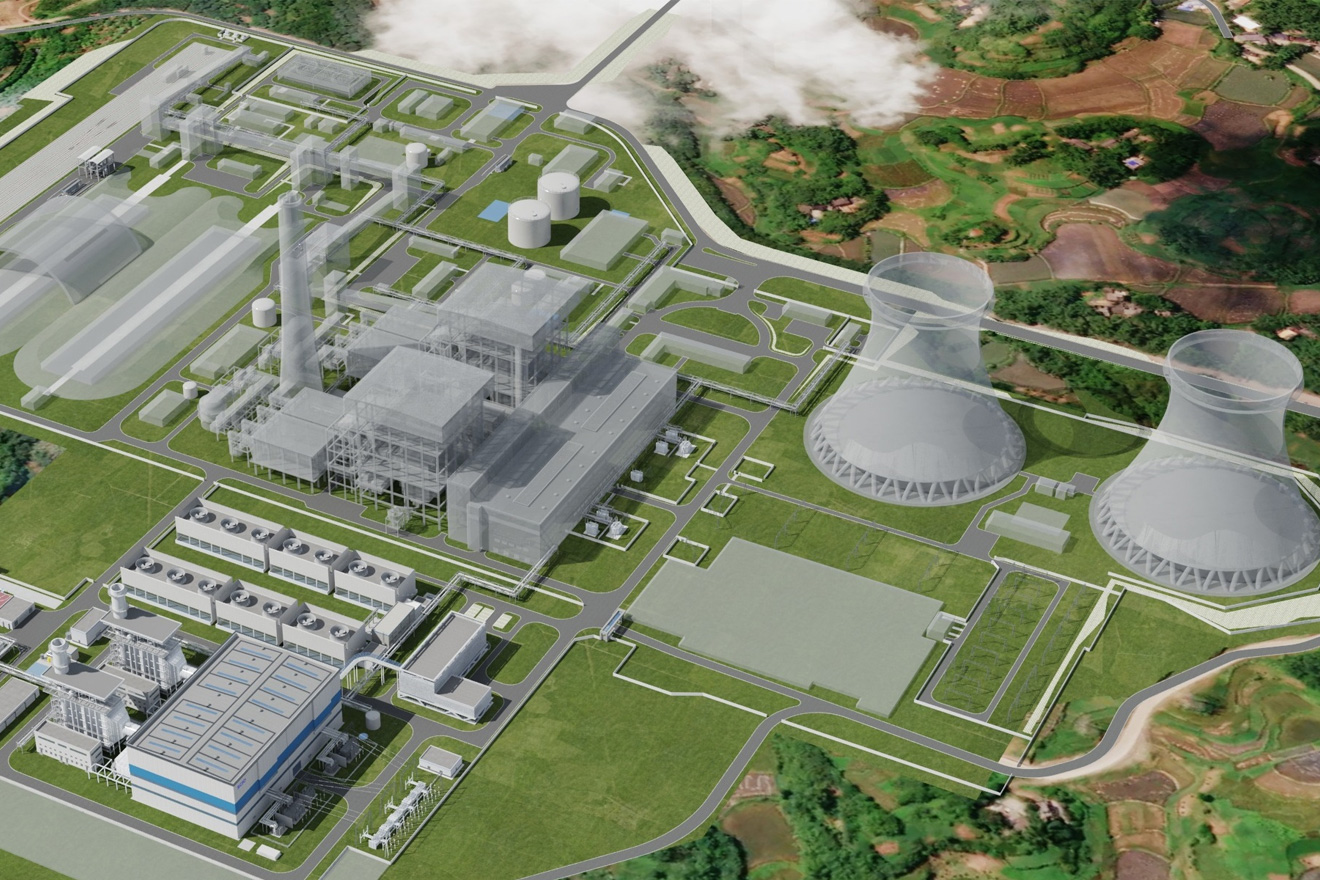
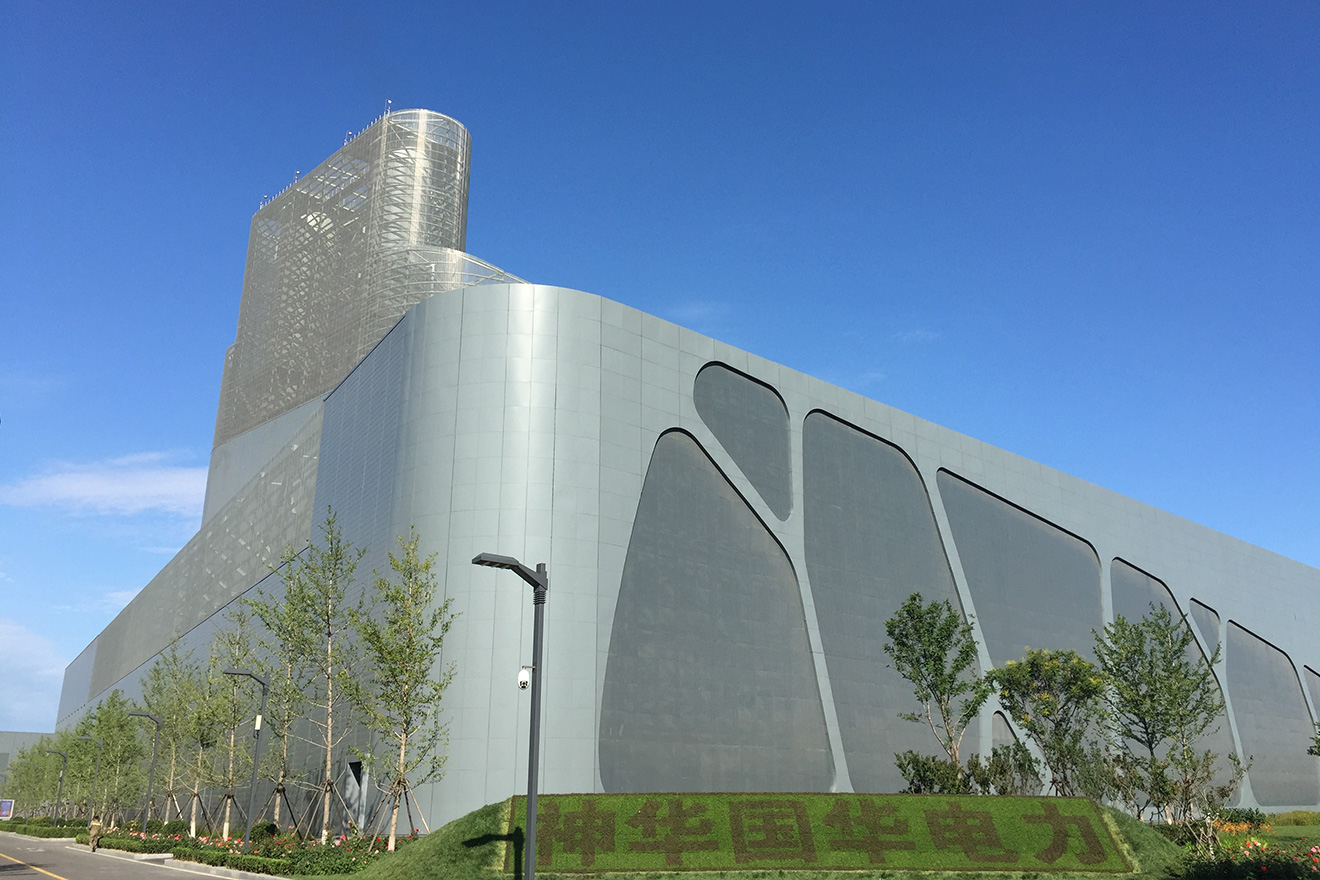
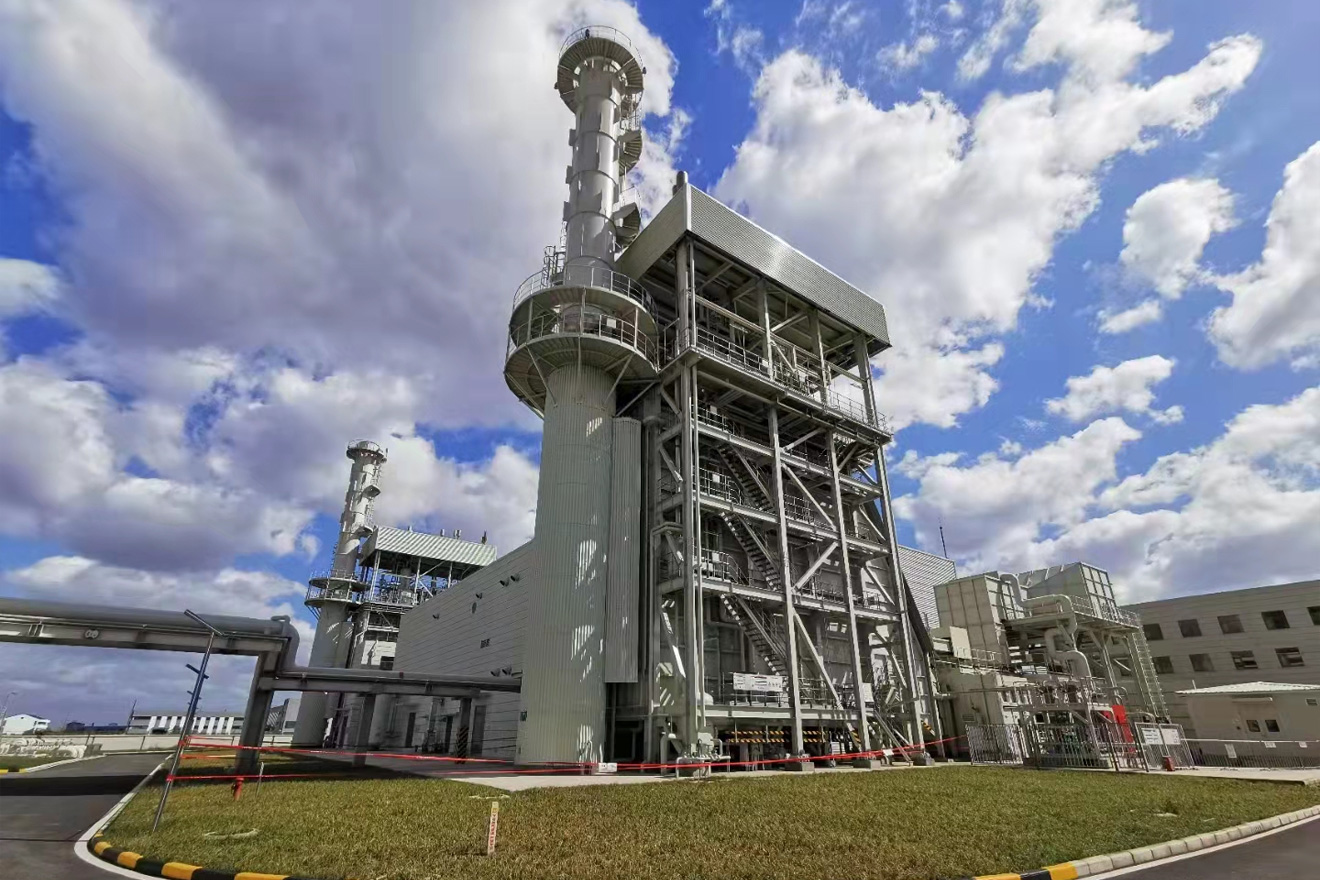
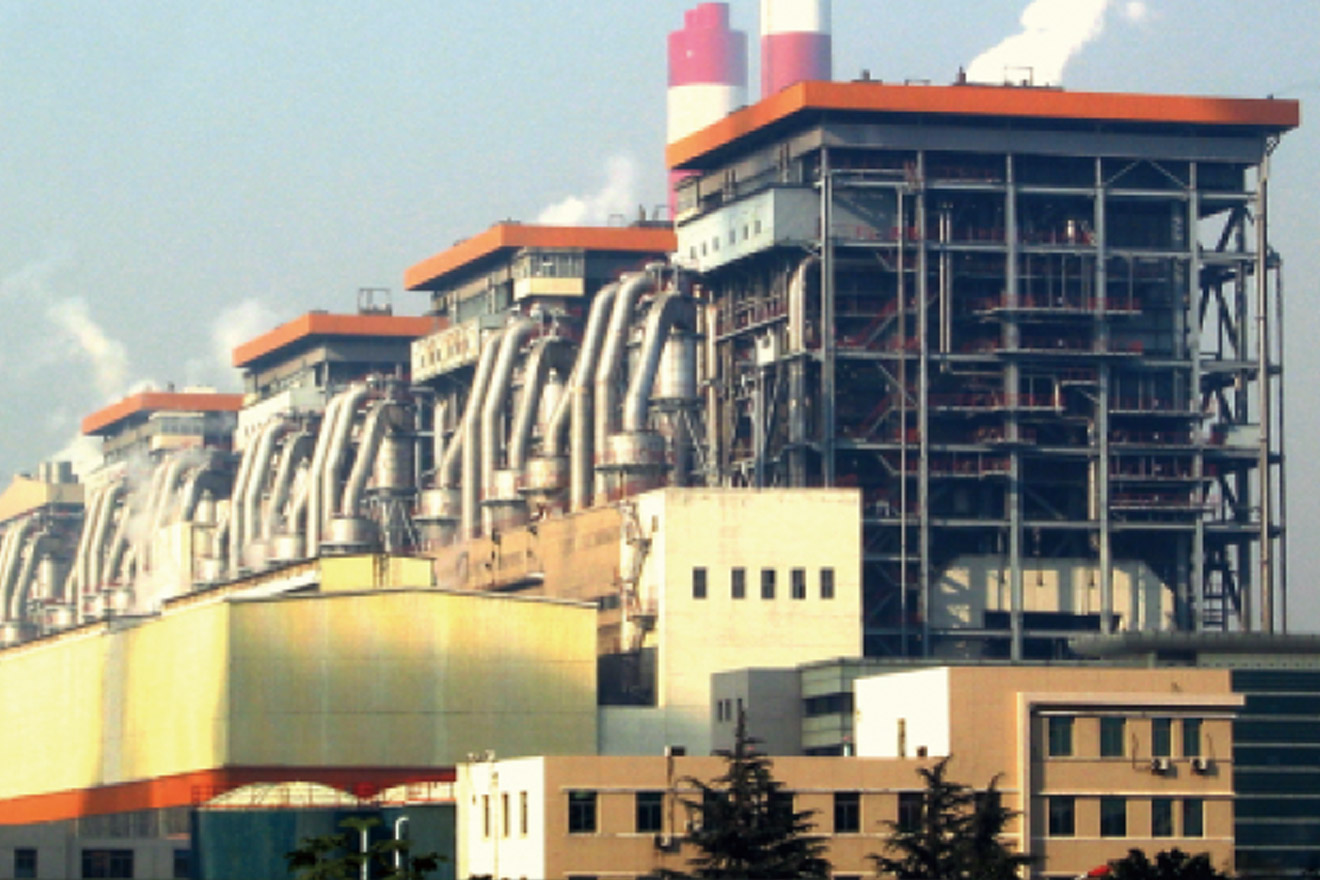
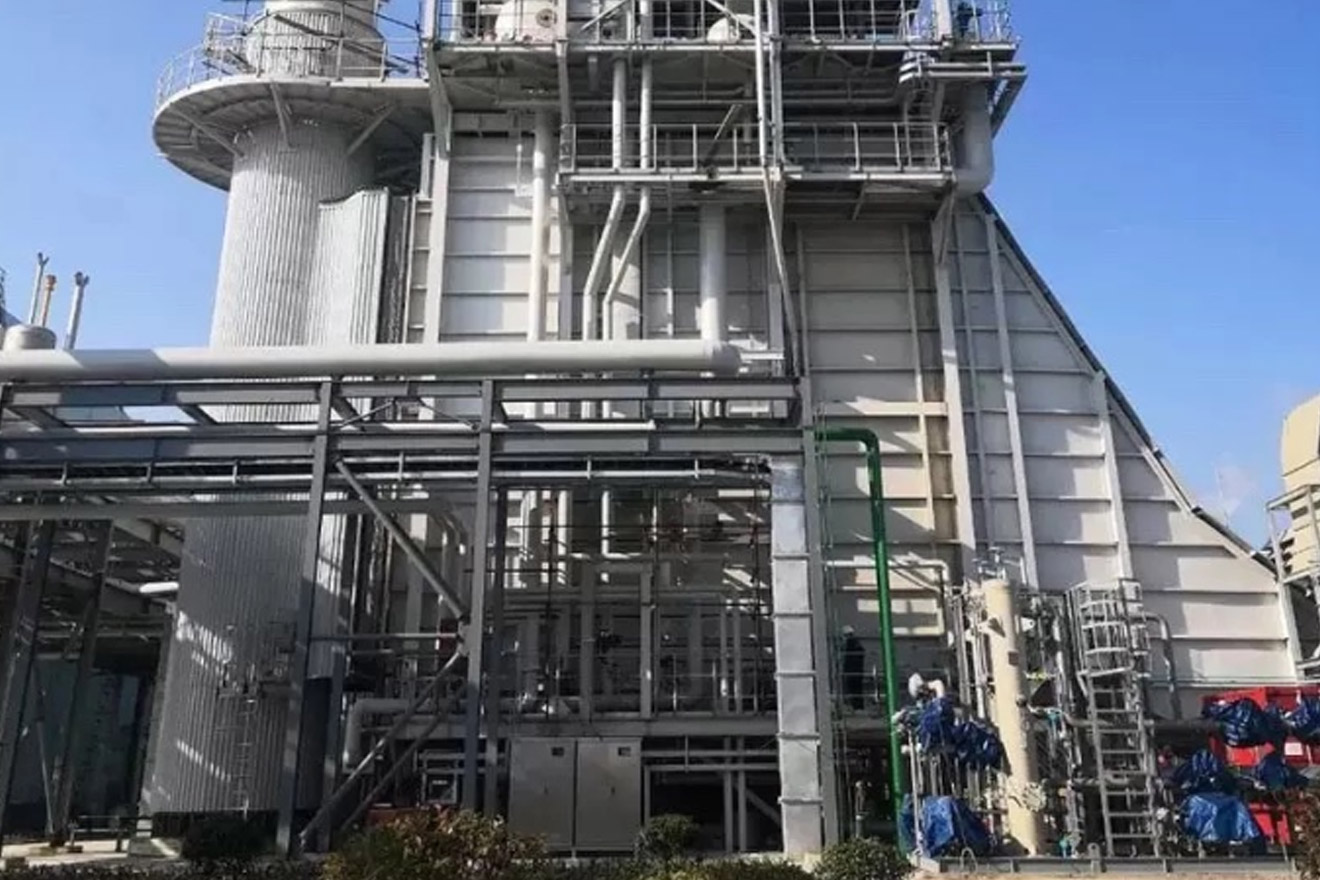
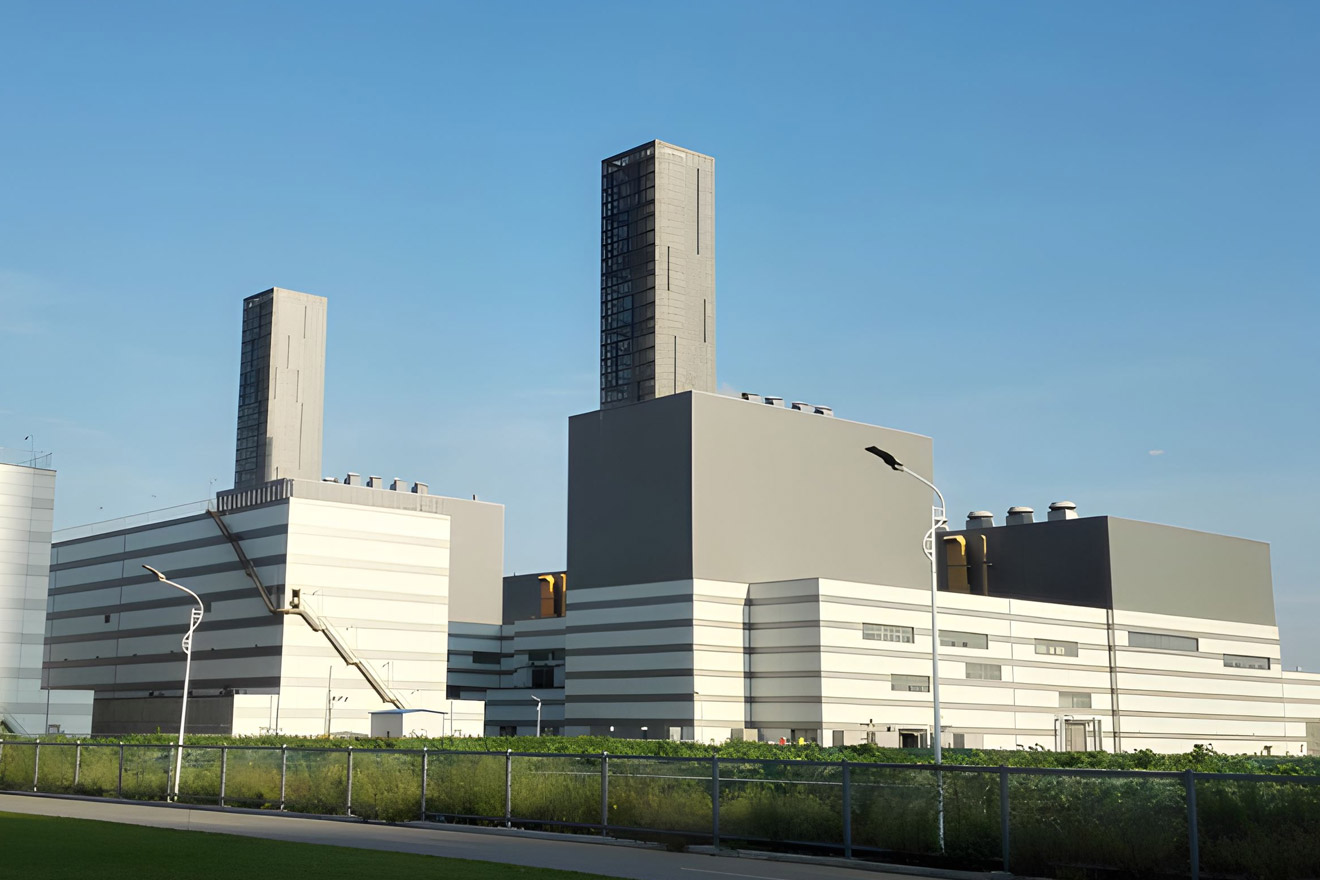
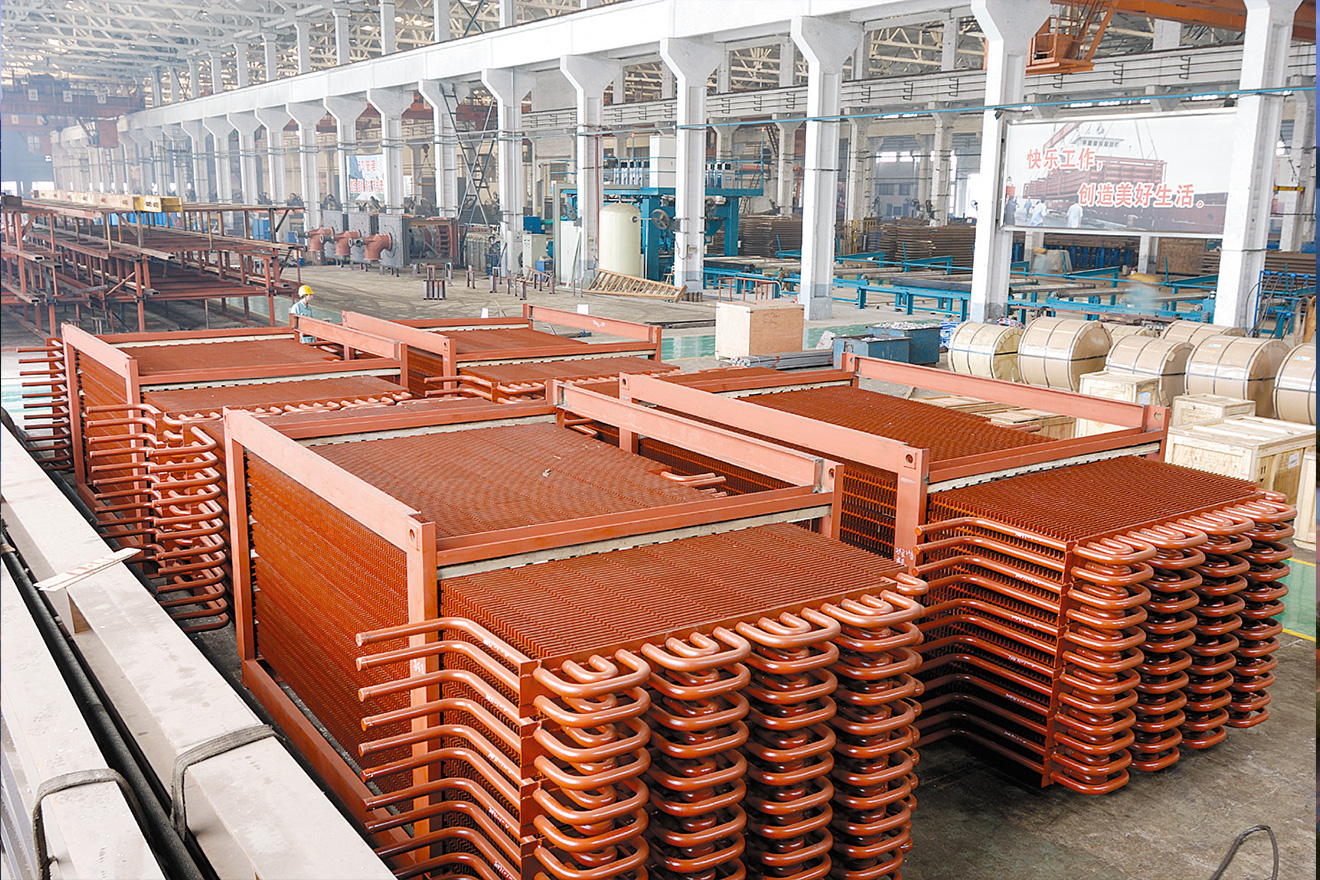
Choosing a reliable HRSG supplier is a high-stakes decision for any industrial project, especially as we move into 2026 with tighter emissions standards. Whether you are building a new gas-fired plant or looking to squeeze more efficiency out of an existing setup, the technology behind heat recovery is what makes or breaks your ROI.
One name that consistently pops up in these conversations is MHI Power Dongfang Boiler Co., Ltd. (MHDB). They have spent decades perfecting the art of turning waste heat into usable energy, making them a top-tier choice for global industrial leaders.
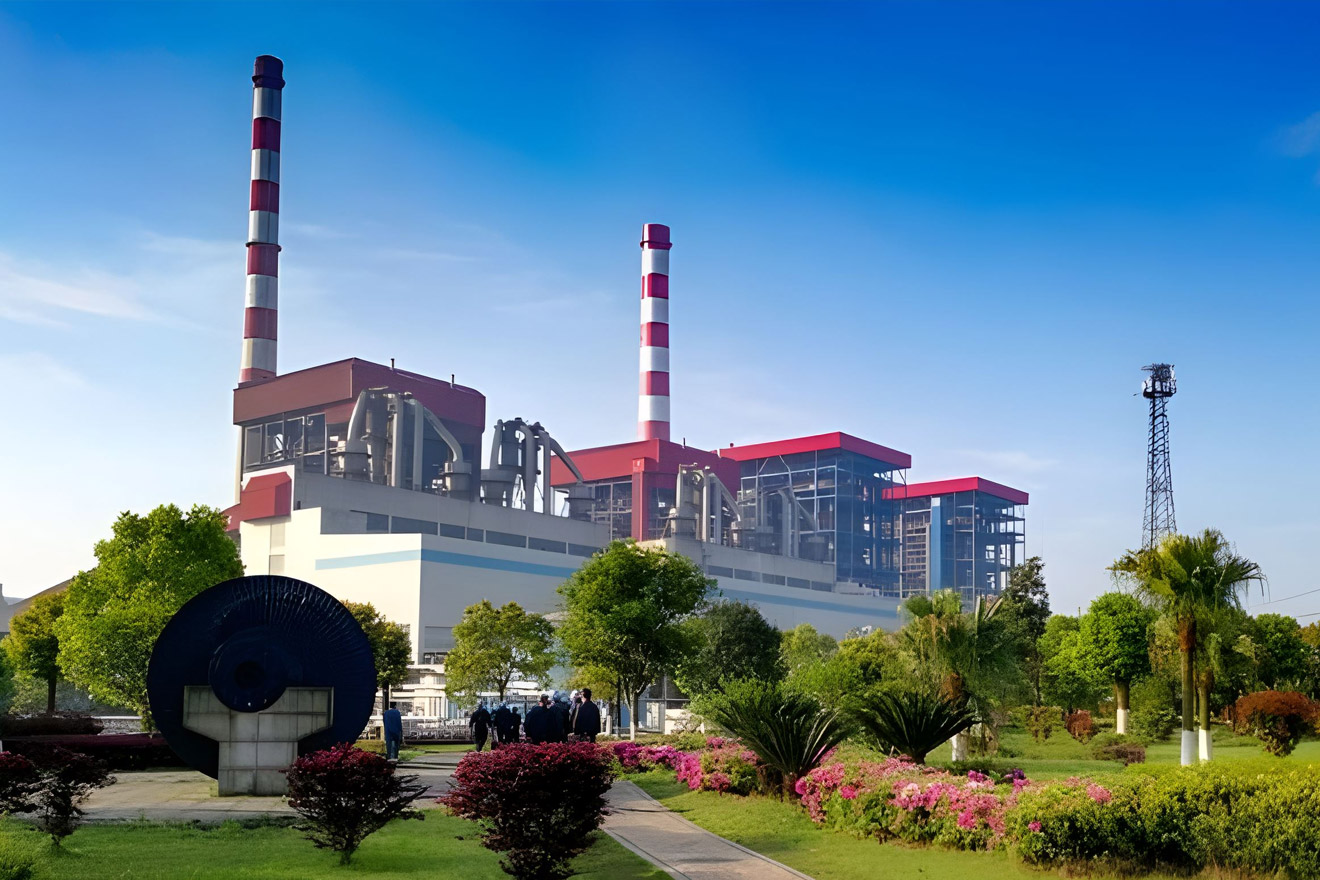
Global energy markets are shifting away from simple cycle plants because they just waste too much heat. By 2026, the focus has shifted entirely to "Combined Cycle" systems, where a Heat Recovery Steam Generator (HRSG) captures exhaust from a gas turbine to drive a second steam turbine.
This setup can boost your plant's total thermal efficiency from around 40% to nearly 60%. For a large-scale manufacturer or utility provider, that 20% jump represents millions of dollars in fuel savings every single year.
MHDB isn't just another local manufacturer; it is a heavy-hitting joint venture between Mitsubishi Power and China’s Dongfang Boiler. This partnership gives them a unique advantage: they combine Japanese precision engineering with the massive manufacturing scale of the Chinese "Big Three" power equipment groups.
Being a top HRSG supplier, they have access to the latest J-Series gas turbine data from Mitsubishi. This means their boilers are literally designed to be the perfect "hand-in-glove" fit for some of the world’s most efficient turbines.
A common mistake in the industry is thinking all boilers are basically the same. In reality, the metallurgy and internal design of an MHDB unit are what keep it running for decades without a pipe burst.
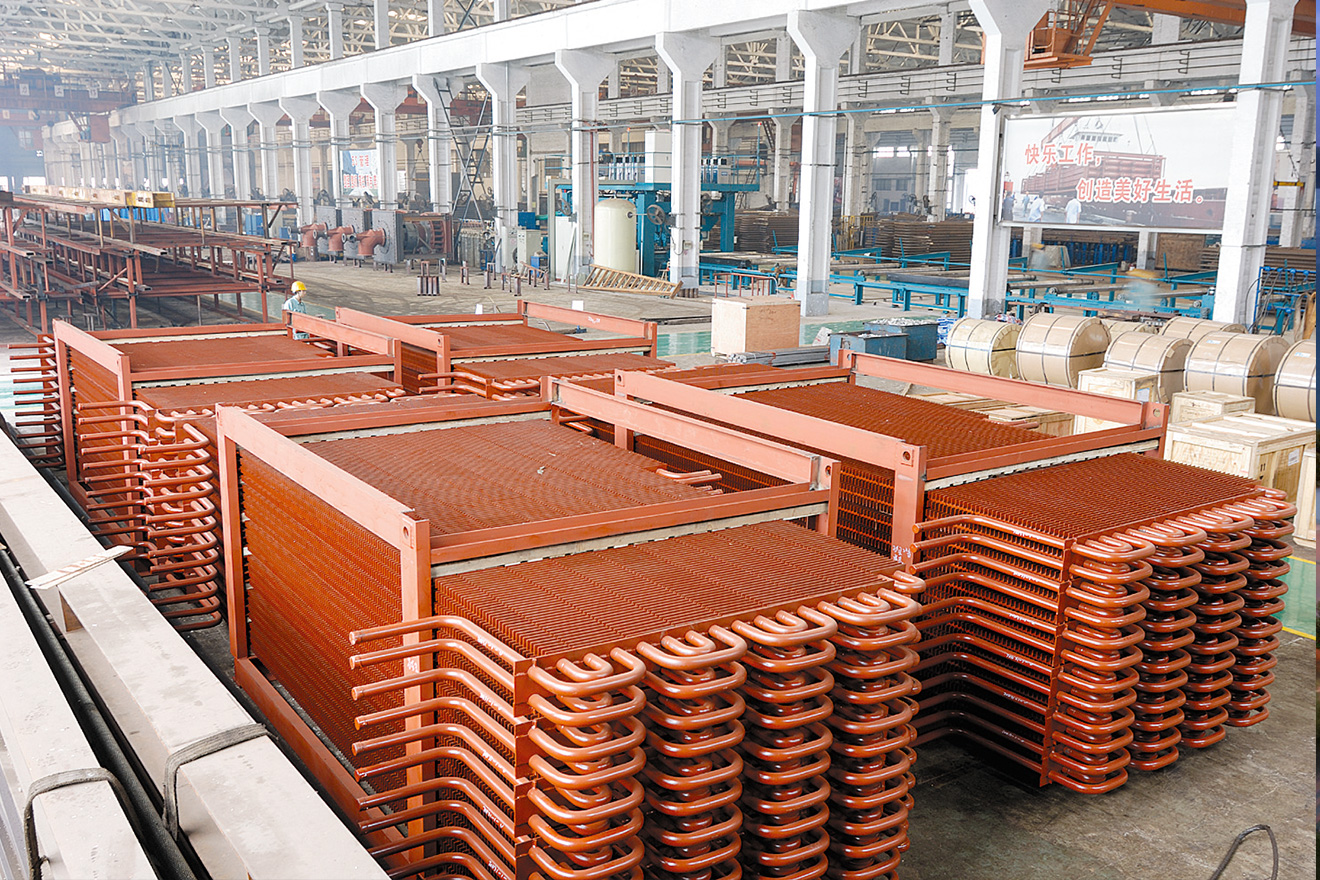
They utilize advanced H-type finned tubes which maximize the surface area for heat exchange without making the unit massive. This compact design is a lifesaver for industrial sites where floor space is at a premium and every square meter counts.
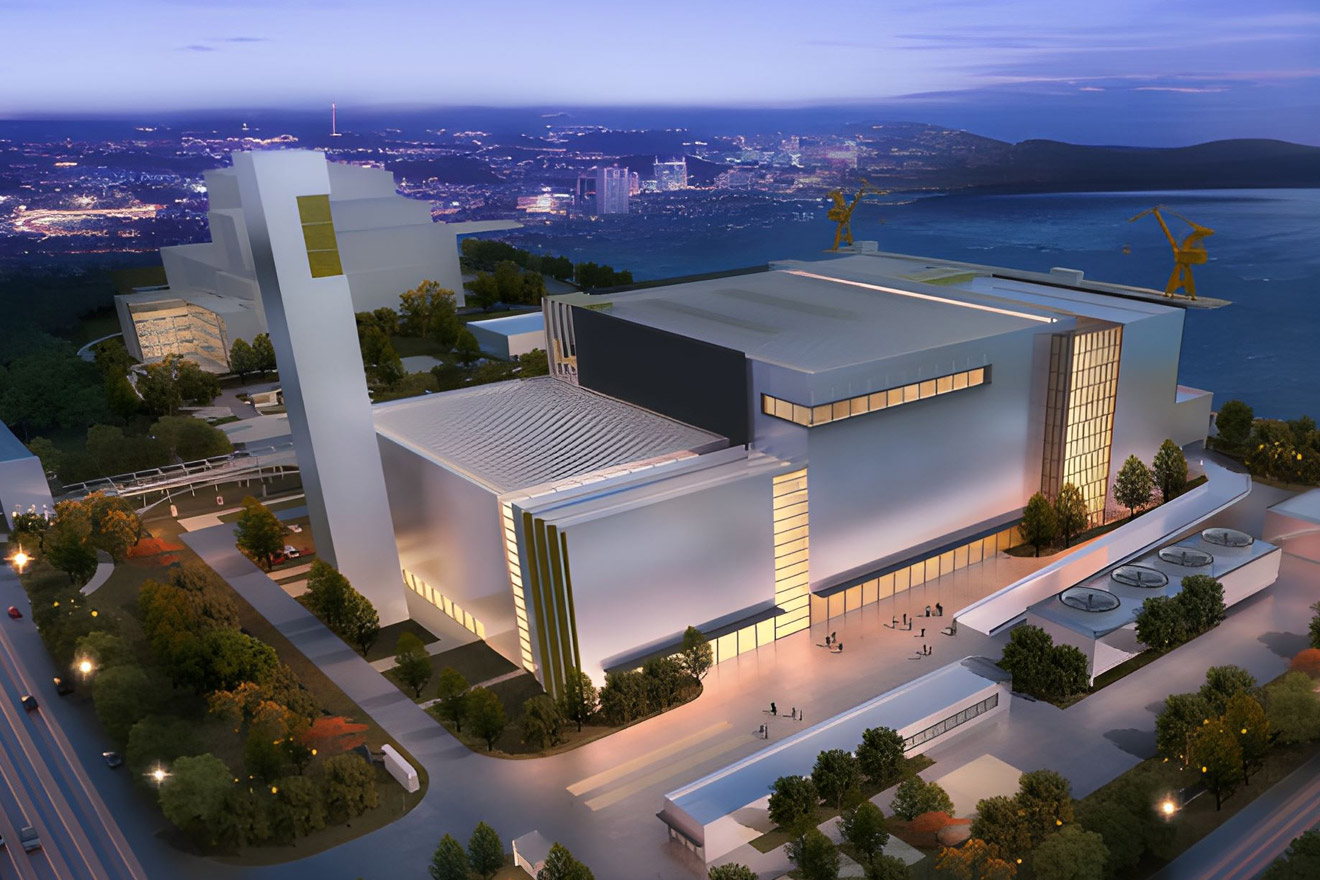
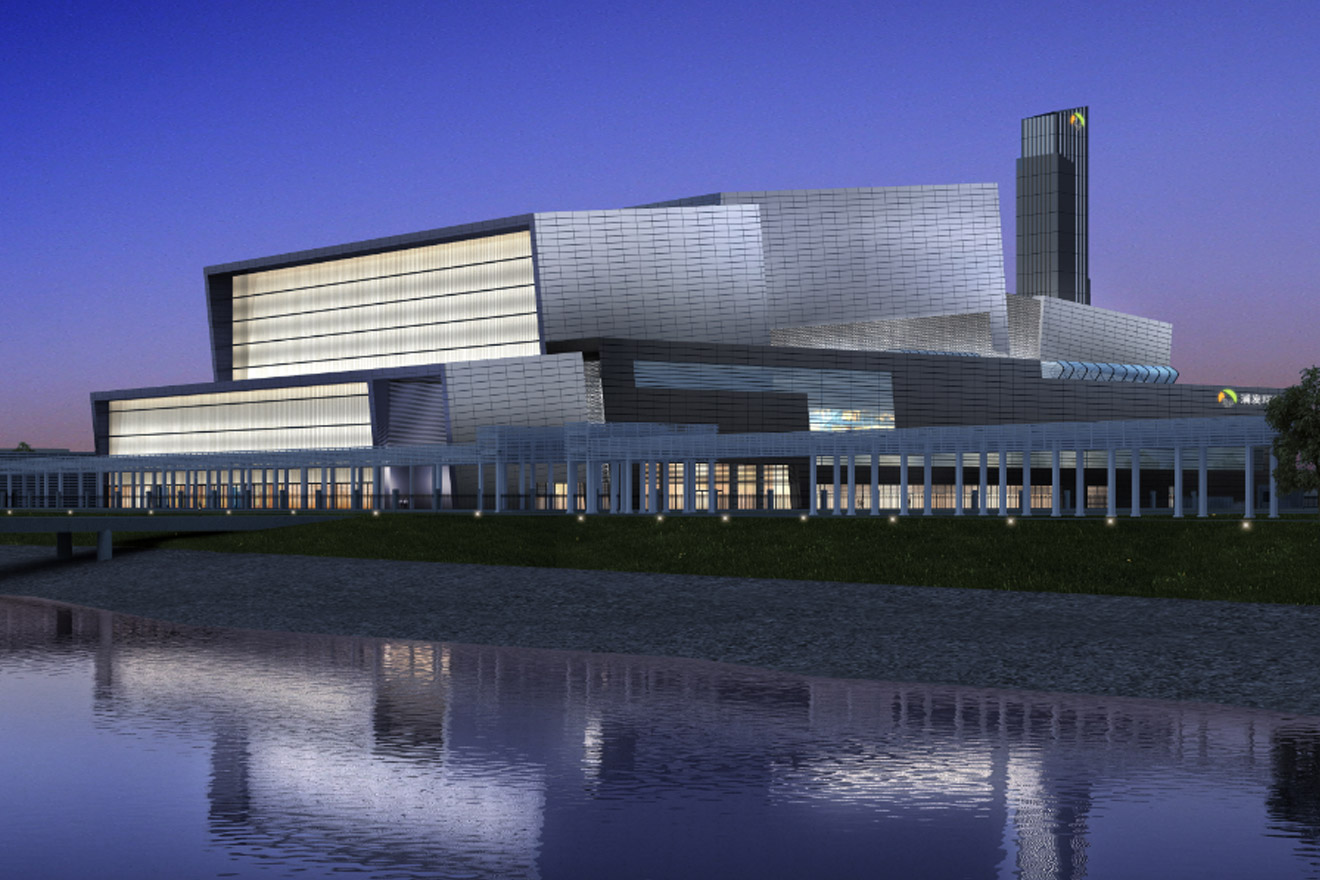
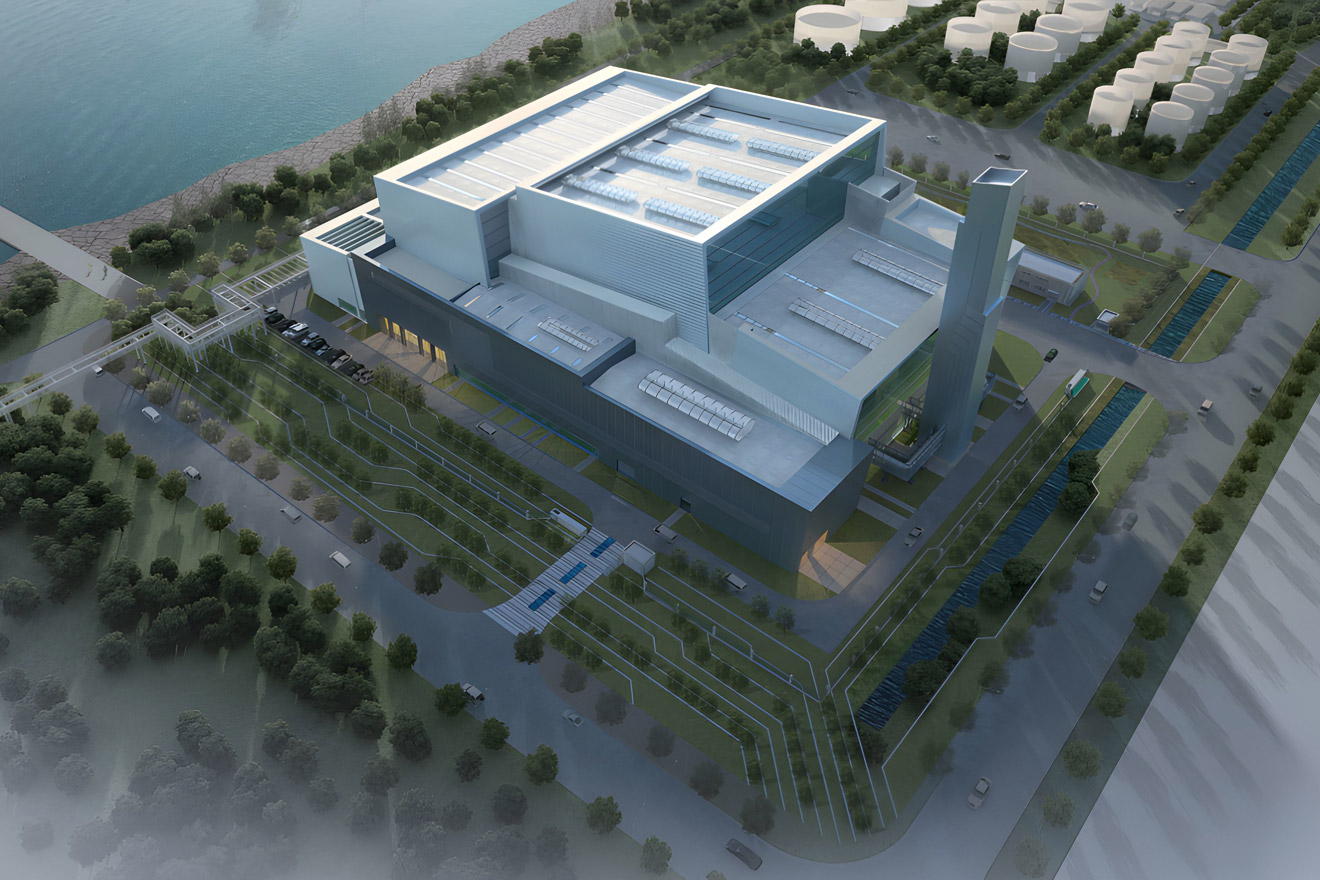
Beyond standard power plants, MHDB has become a go-to HRSG supplier for the Waste-to-Energy (WtE) sector. As cities move toward "zero-landfill" goals, the demand for boilers that can handle the corrosive gases of burning municipal waste has skyrocketed.
Their specialized WtE boilers are built with corrosion-resistant materials that can survive the harsh environment of a chemical or medical waste incinerator. This durability reduces your maintenance downtime, which is usually the biggest "hidden cost" in waste management.
We all know that on-site construction delays are the fastest way to blow a project budget. MHDB addresses this by offering highly modularized HRSG units that are largely assembled in the factory rather than at your site.
By shipping "blocks" or "modules," they can cut down on-site labor by up to 30%. This not only keeps your project on track but also ensures that the critical welding and testing are done in a controlled factory environment.
In 2026, being "green" isn't just a PR move; it’s a regulatory requirement. MHDB units are designed to integrate Selective Catalytic Reduction (SCR) systems directly into the boiler flow.
This integration allows you to strip out Nitrogen Oxides (NOx) before the exhaust even leaves the stack. You get a cleaner environmental footprint and higher energy output, all from the same piece of equipment.
As we look at the landscape for 2026, the role of a specialized HRSG supplier like MHDB is more critical than ever. They provide the bridge between high-performance turbines and the sustainable energy output required by modern industrial standards. By focusing on modularity, advanced materials, and deep technical partnerships, they help operators lower their carbon footprint while maximizing their fuel efficiency.
Is MHDB the same as Babcock-Hitachi?
Yes, the company was formerly known as Babcock-Hitachi Dongfang Boiler (BHDB) before Mitsubishi and Hitachi merged their power divisions. The name change reflects the new integration under the Mitsubishi Heavy Industries (MHI) umbrella.
What is the typical lifespan of an MHDB boiler?
With proper water treatment and maintenance, these industrial boilers are designed to operate for 25 to 30 years. Their use of high-grade alloy steels helps prevent common issues like creep and fatigue.
Can these units handle "Cycling" (frequent starts and stops)?
Yes, MHDB offers "Once-Through" (Benson) boiler designs which are much better at handling the thermal stress of rapid startups and shutdowns compared to traditional drum-type boilers.
Does MHDB provide services outside of China?
Absolutely. While their main manufacturing hub is in Zhejiang, they utilize the global Mitsubishi Power network to provide equipment and technical services to power projects across Southeast Asia, the Middle East, and beyond.

No.1267, Chenggong Road, Jiaxing City, Zhejiang Province, China

sales1@mhdb.com.cn / sales2@mhdb.com.cn

+86-573-82625131 / +86-573-82625132
+86-573-82625133

+86-573–82625130
© MHl Power Dongfang Boiler Co., Ltd. (MHDB) All Rights Reserved.
