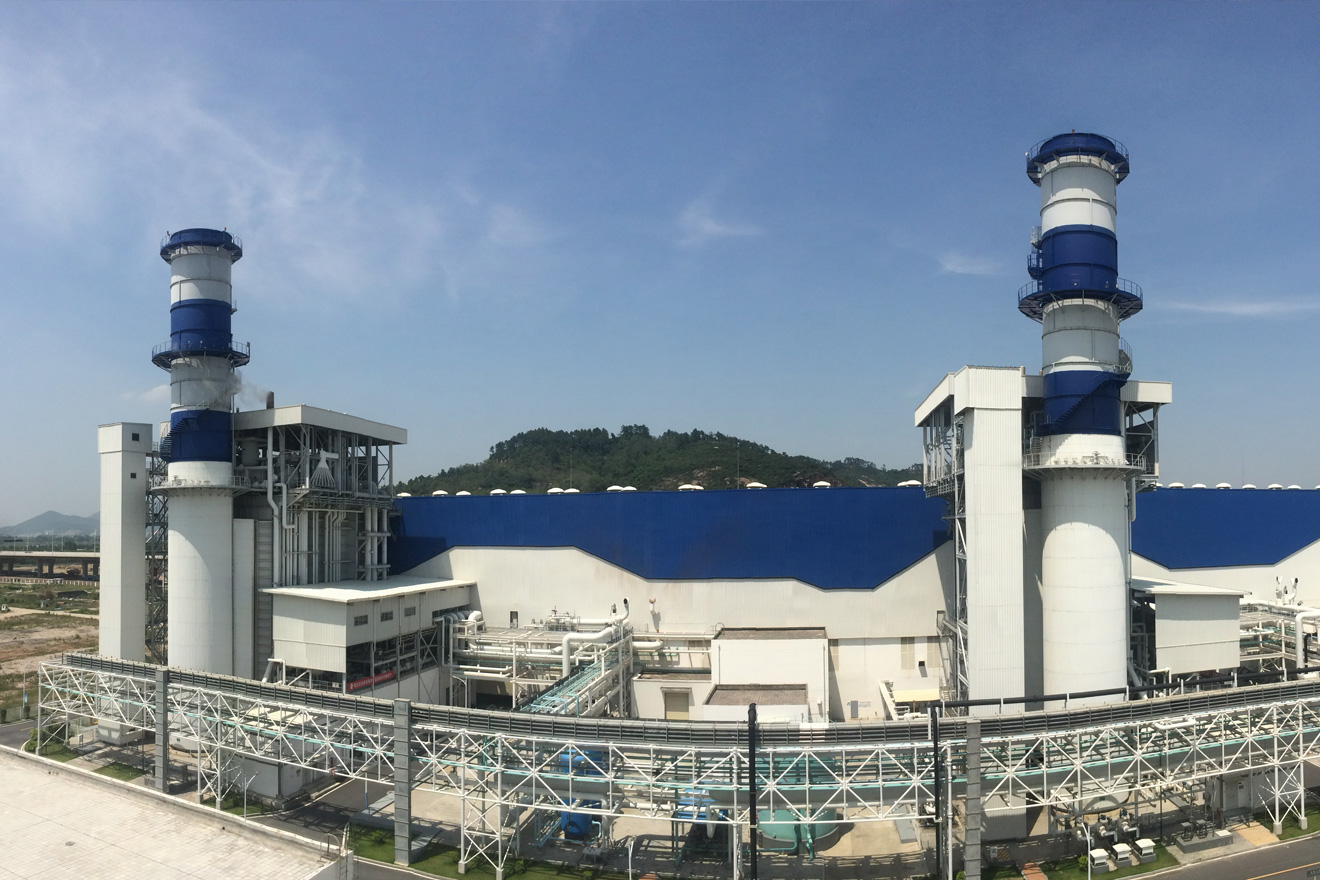
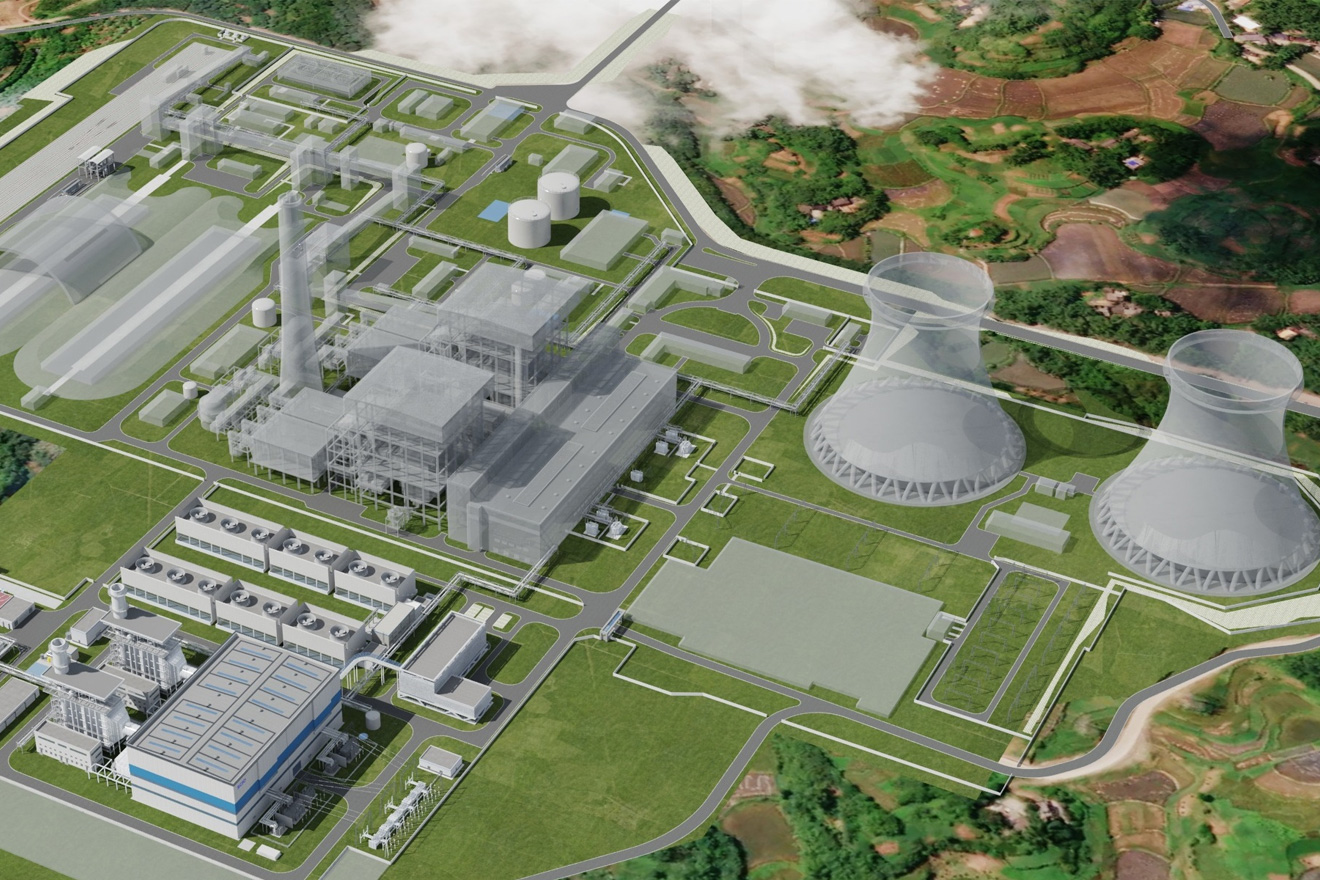
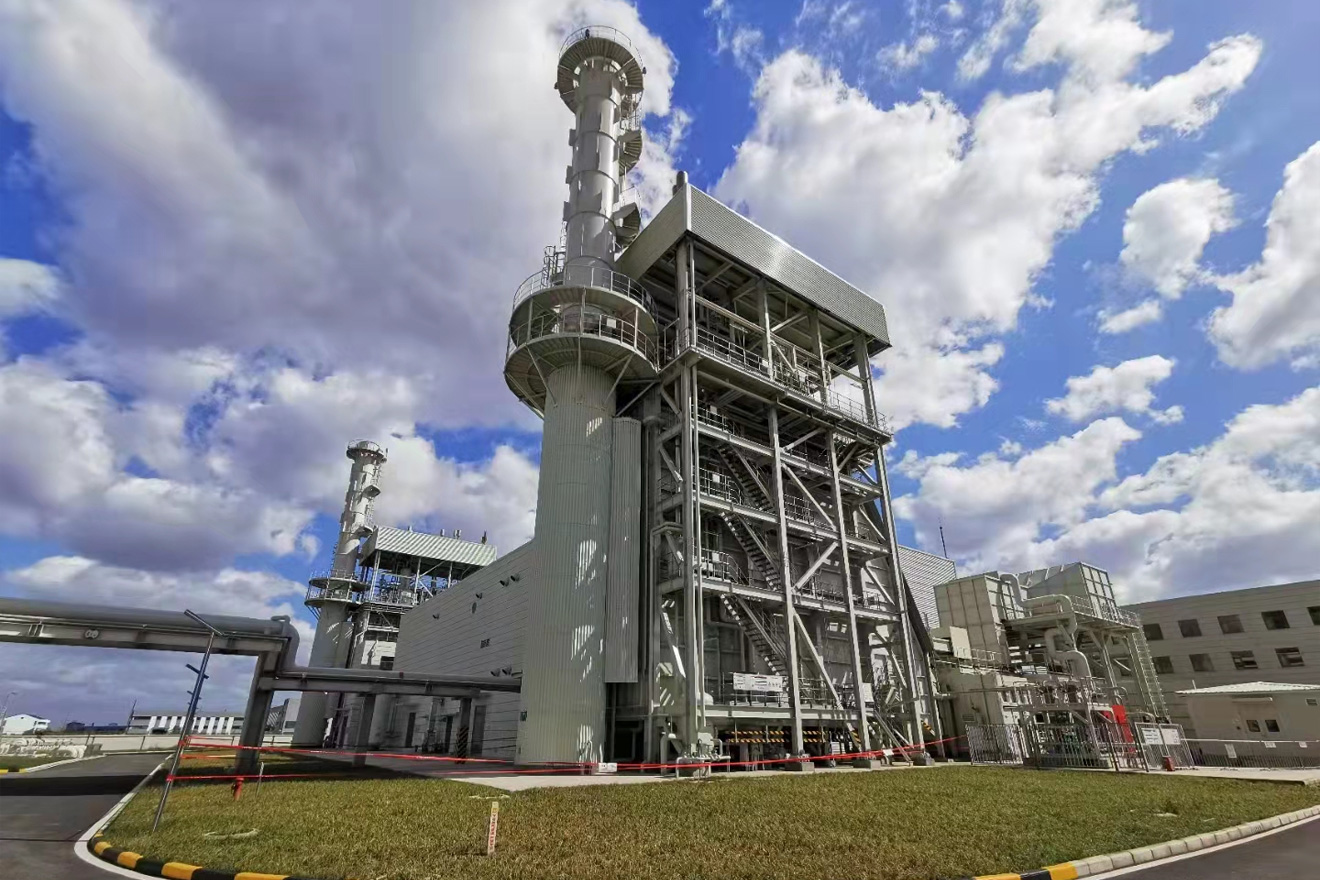
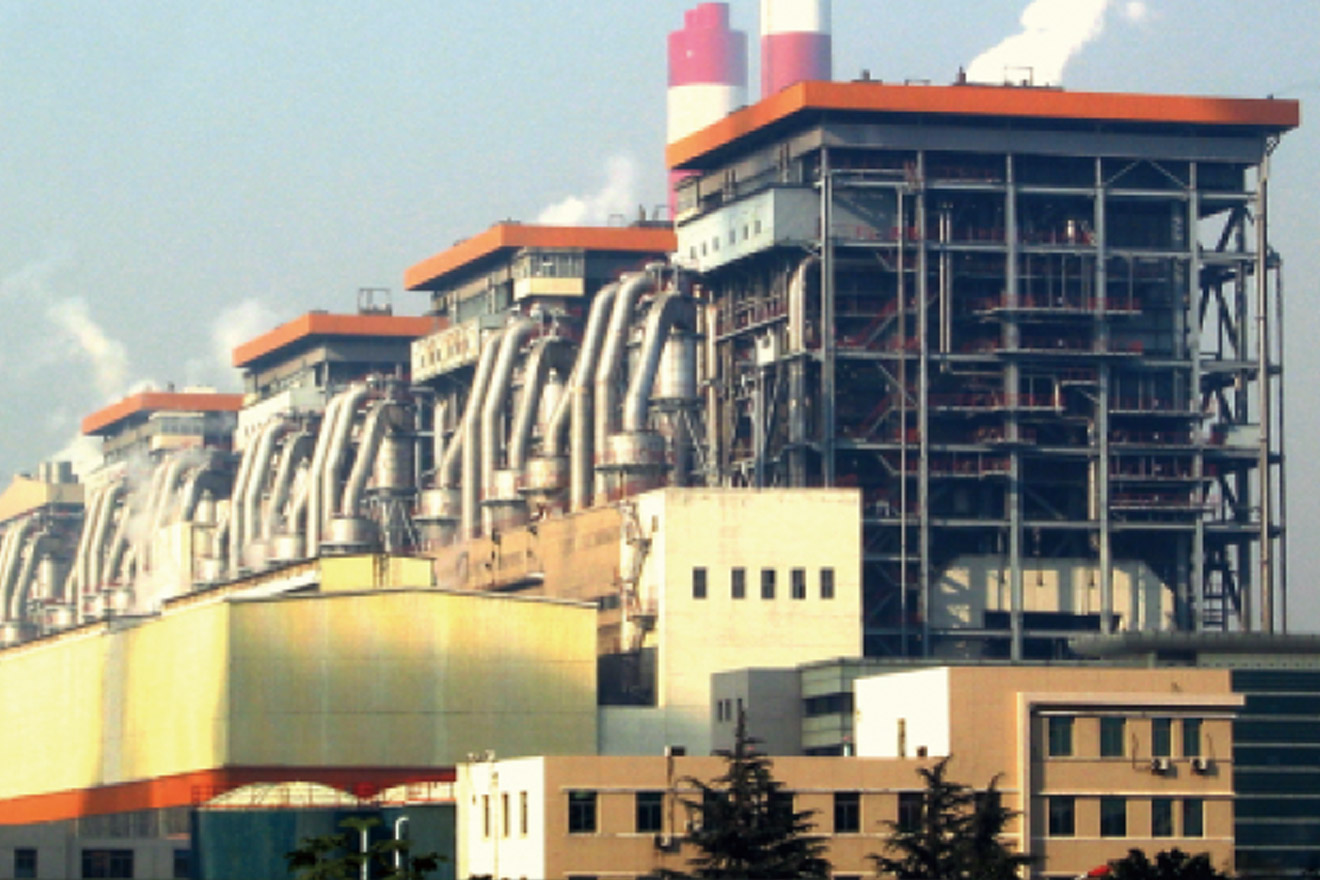
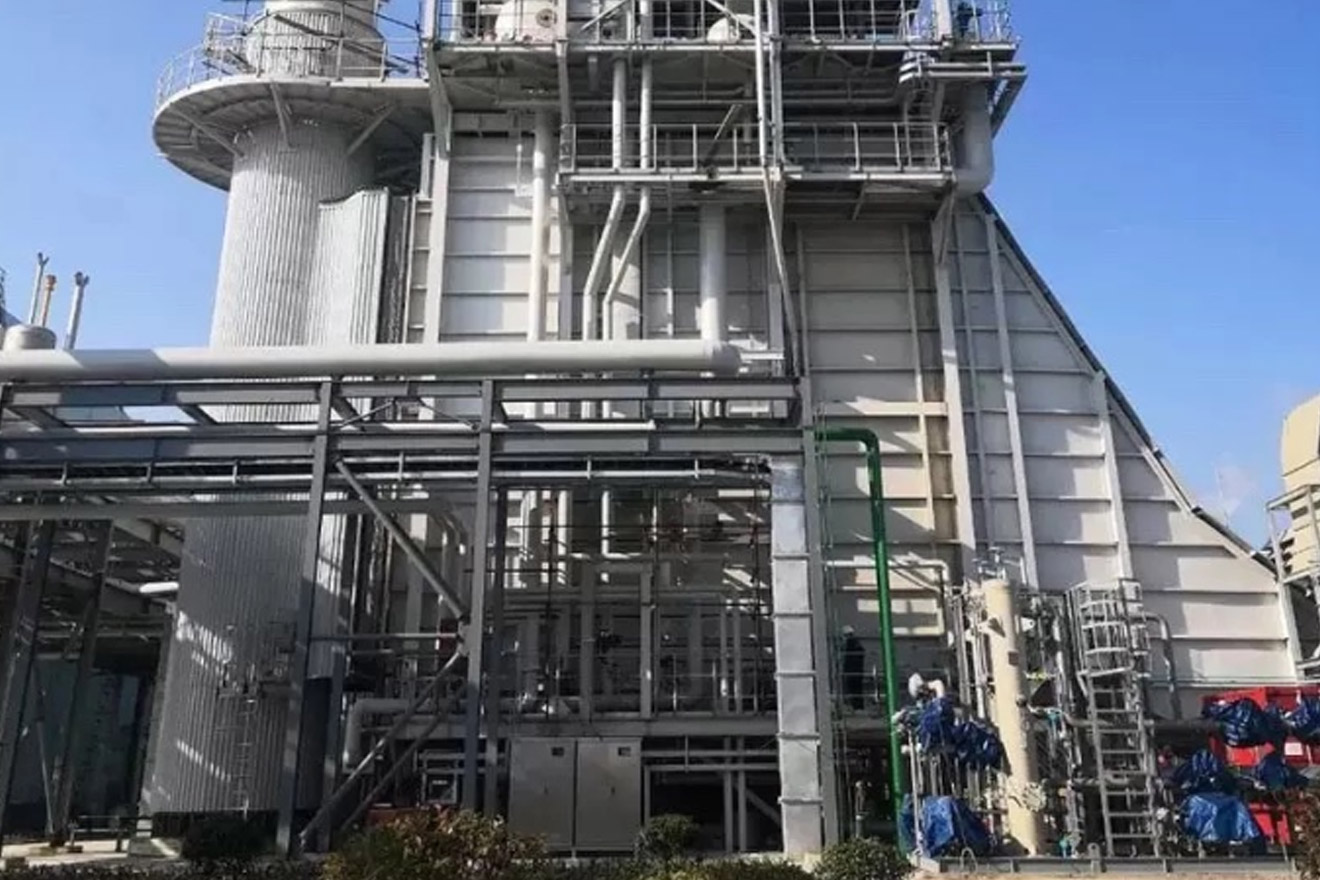
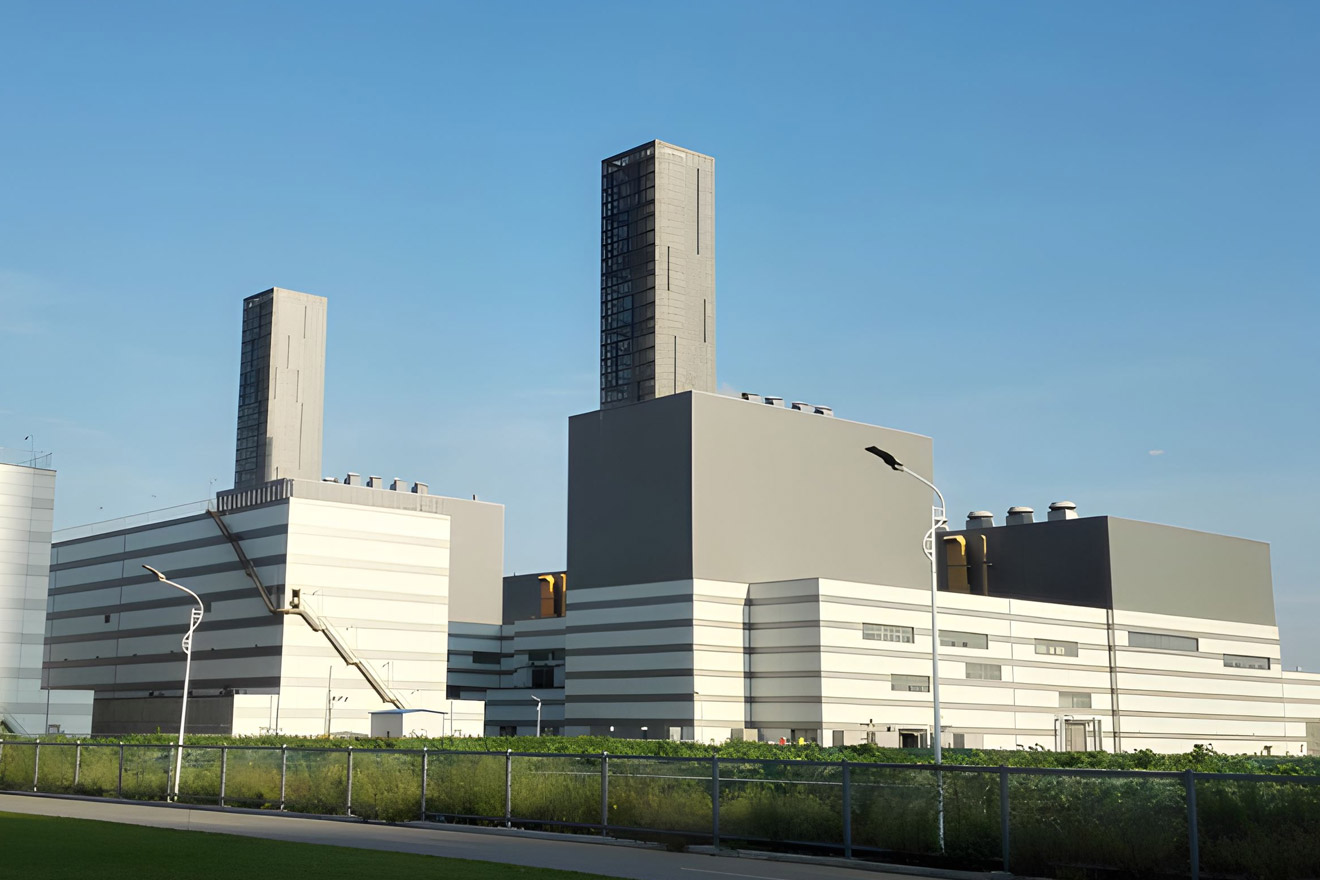
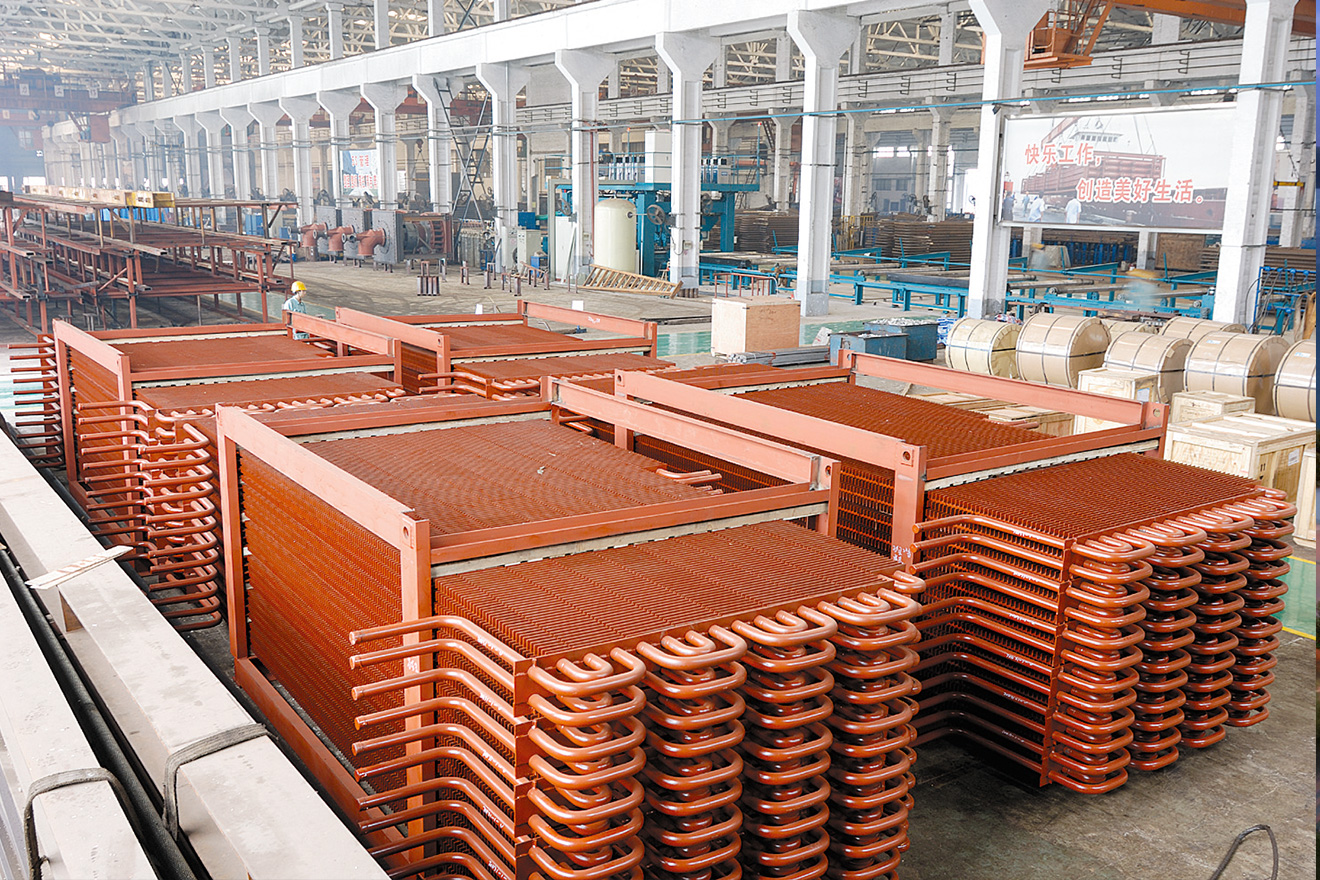
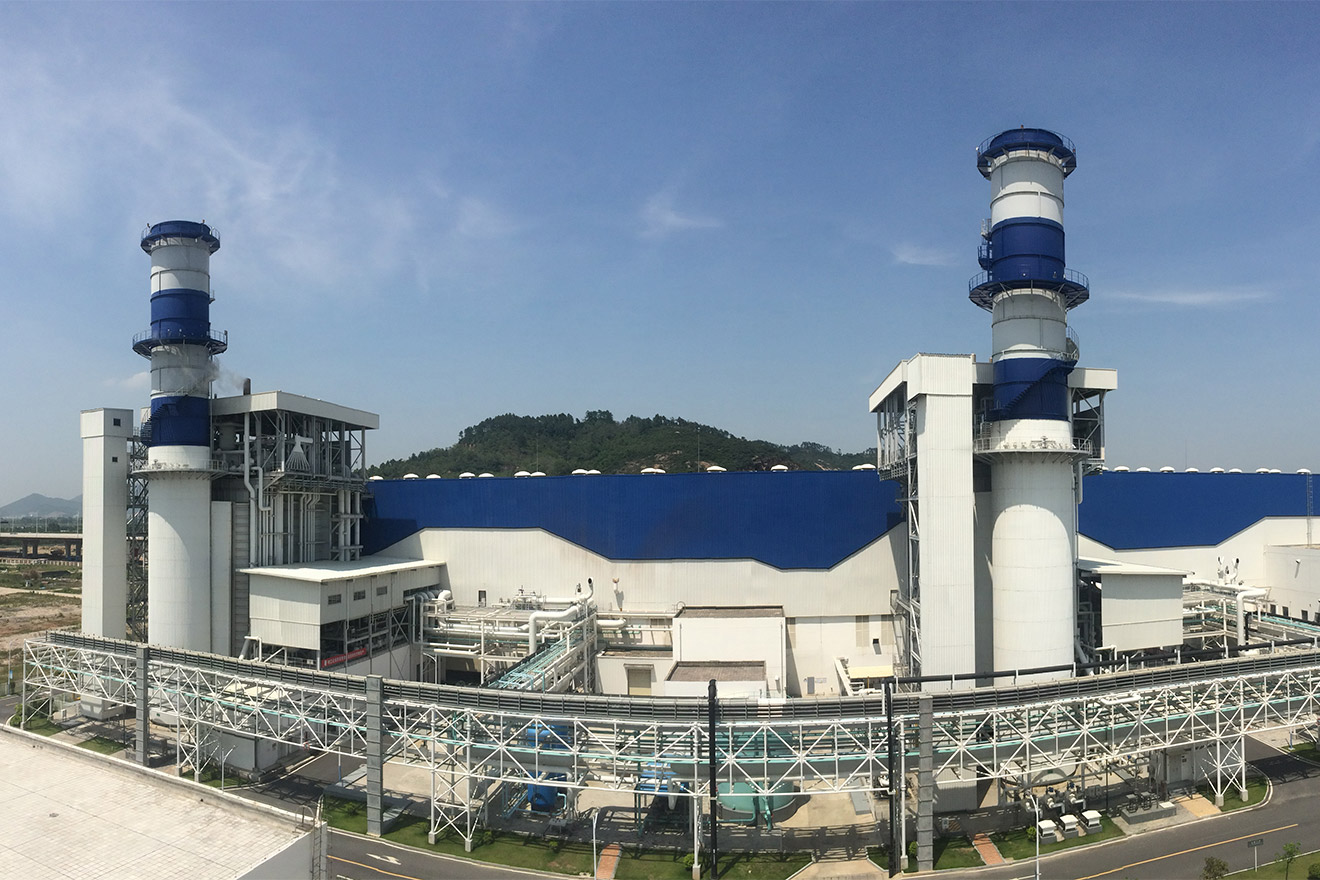
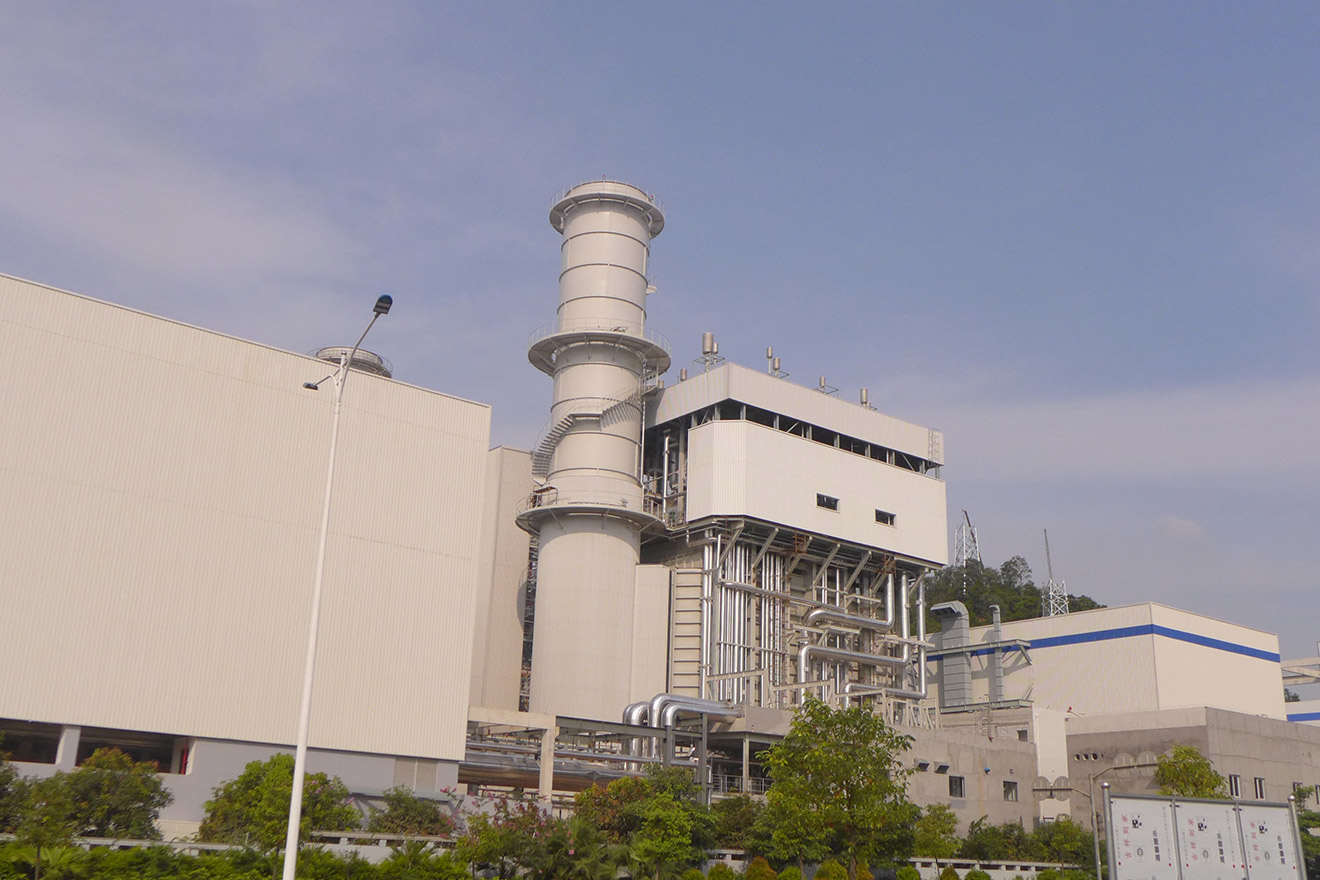
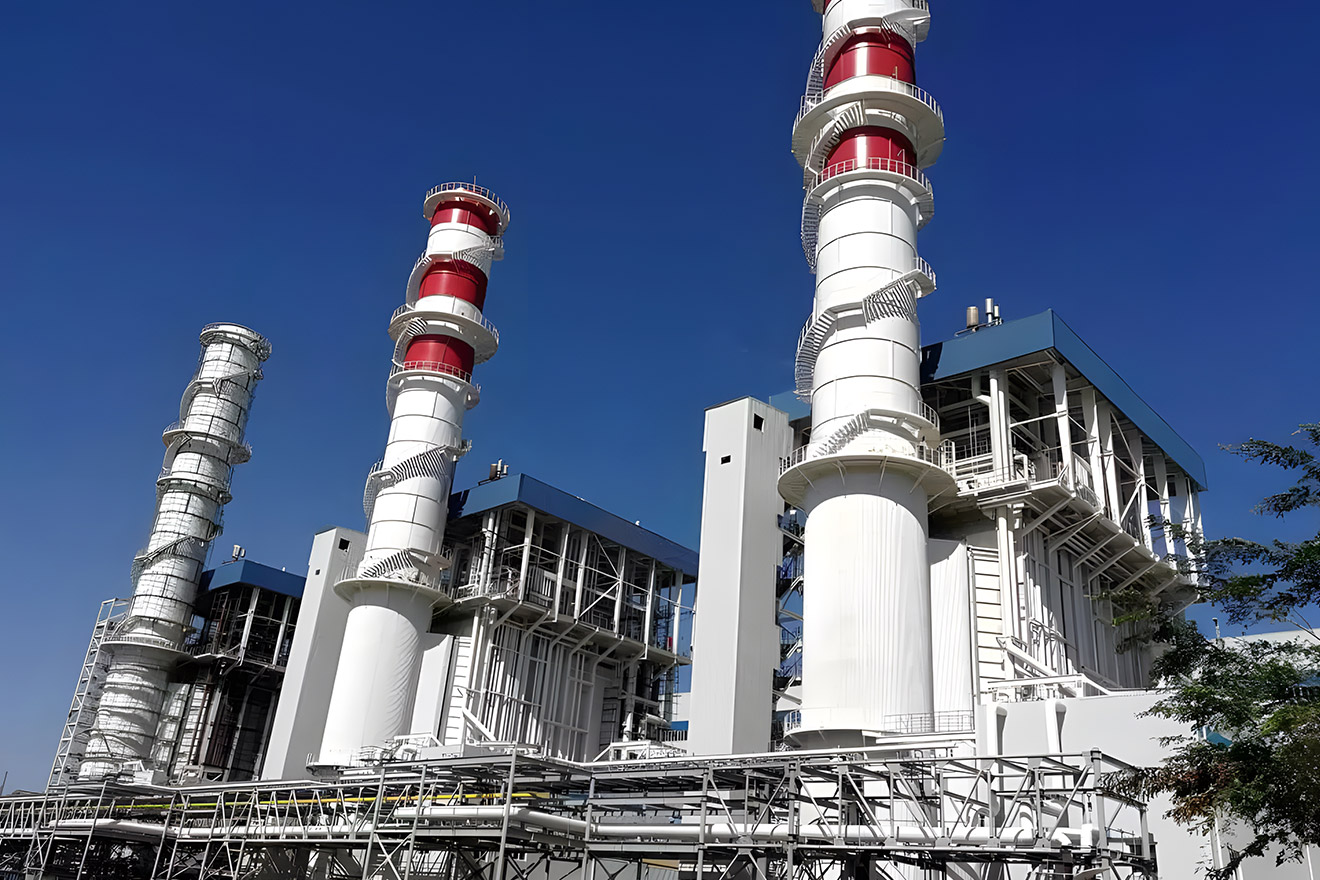
The efficiency of a combined cycle power plant is profoundly influenced by the performance of its heat recovery steam generator. For HRSG Boiler For F Class Gas Turbines, achieving maximum plant efficiency requires a meticulous optimization of thermal design parameters to capture the maximum energy from the high-temperature exhaust gas. Engineers must balance steam production, pressure levels, and temperature differentials to ensure the HRSG boiler efficiency aligns with the operational goals of the turbine. This article delves into the technical considerations and optimal design parameters required for superior performance.
1. Pressure Level Configuration and Heat Transfer Optimization
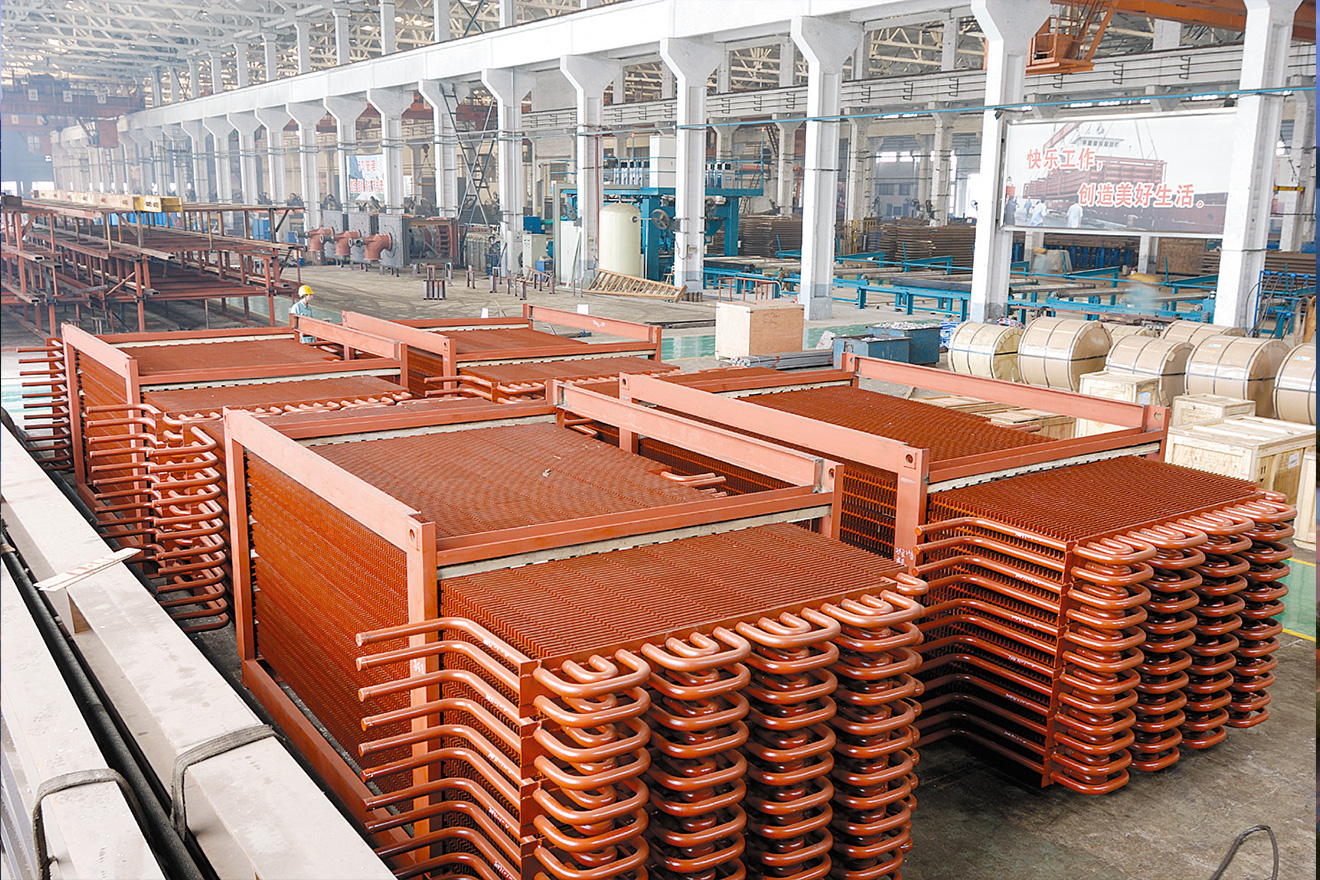
The selection of pressure levels—single, double, or triple pressure—is critical in combined cycle power plant design. A triple-pressure system with reheat is typically the optimal HRSG configuration for F-class turbines to maximize efficiency. HRSG exhaust gas heat recovery must be maximized through carefully engineered tube bank arrangements. When comparing triple pressure vs dual pressure HRSG systems, the triple-pressure system allows for higher steam temperatures and pressures, resulting in greater steam turbine efficiency, despite a higher initial capital cost.
Pressure Configuration Comparison
- Triple Pressure with Reheat: Achieves highest overall plant efficiency (>60%) by maximizing heat extraction.
- Dual Pressure: Lower efficiency but offers simpler construction and lower capital costs for smaller plants.
| Configuration |
Thermal Efficiency |
Complexity |
Capital Cost |
| Triple Pressure |
Very High |
High |
High |
| Dual Pressure |
Moderate |
Moderate |
Moderate |
2. Key Design Parameters for Maximum Efficiency
Maximizing combined cycle plant efficiency requires optimization of key design factors, including pinch point and approach temperature differentials. Heat recovery steam generator efficiency is inversely proportional to the pinch point temperature; lower pinch points mean more heat is recovered, but require larger, more expensive heating surfaces. The HRSG design parameters must be selected to balance heat transfer area with pressure drop limitations. VS: Pinch point optimization vs. heating surface area: Minimizing the pinch point increases heat recovery but dramatically increases the cost and size of the heat exchanger tubes.
Thermal Parameter Optimization
- Pinch Point Temperature: Typically designed between 5°C and 10°C for high-efficiency systems.
- Approach Temperature: Optimized to ensure sub-cooling in the economizer while avoiding steaming.
- Gas Side Pressure Drop: Balanced against the turbine backpressure penalty to find the optimum efficiency.
| Parameter |
Impact on Efficiency |
Impact on Cost |
| Lower Pinch Point |
Increase |
Increase |
| Lower Gas Pressure Drop |
Increase |
Decrease |
3. Materials Selection and Reliability in Cycling Operations
HRSG for gas turbine combined cycle systems, especially those using F-class turbines, often face frequent start-up and shutdown cycles. The reliability of industrial boilers depends on selecting materials that resist thermal fatigue and corrosion. HRSG design for cycling must consider the thermal stresses generated in thick-walled components like steam drums. When comparing horizontal vs vertical HRSG design, vertical designs generally offer better natural circulation and lower thermal stresses during cycling operations compared to horizontal designs.
4. Sustainable HRSG solutions and Emission Controls
Modern HRSG Boiler For F Class Gas Turbines must incorporate sustainable HRSG solutions such as integrated Selective Catalytic Reduction (SCR) systems to manage emissions effectively. The integration of HRSG boiler emission control technologies must be optimized to ensure that the SCR operates within its ideal temperature window. High efficiency HRSG designs also require optimizing the economizer design to ensure that the gas temperature remains above the acid dew point to prevent corrosion.
Frequently Asked Questions (FAQ)
1. Why is triple pressure HRSG configuration preferred for F-class turbines?
Why is triple pressure HRSG configuration preferred is due to its ability to extract the maximum amount of energy from the exhaust gas by operating at three different pressure levels, significantly boosting the steam turbine's output and overall plant efficiency.
2. What is the impact of gas side pressure drop on efficiency?
A higher gas side pressure drop reduces the gas turbine's output power, which directly lowers the overall efficiency of the combined cycle power plant design. Therefore, pressure drop must be minimized.
3. How do optimal design parameters affect cycling capability?
Optimal design parameters often require balancing efficiency with material robustness, ensuring the HRSG for gas turbine combined cycle systems can withstand thermal stresses during rapid start-ups without compromising HRSG boiler efficiency.
4. VS: Pinch point optimization vs. heating surface area - what is the trade-off?
VS: Pinch point optimization vs. heating surface area reveals that smaller pinch points increase heat recovery efficiency but require larger surface areas, thereby increasing the size, cost, and weight of the HRSG Boiler For F Class Gas Turbines.
5. What are the key HRSG design parameters for meeting emissions limits?
Key HRSG design parameters include the location and size of the SCR reactor, which must be situated where the gas temperature is optimal for the catalyst to function efficiently within the HRSG boiler emission control system.
Industry References
- ASME Boiler and Pressure Vessel Code, Section I: Rules for Construction of Power Boilers.
- "Combined Cycle Systems for Near-Zero Emission Power Generation," Woodhead Publishing.
- "Heat Recovery Steam Generator Engineering," Thermal Engineering Journal.
- Gas Turbine World Handbook: F-Class Turbine Technical Specifications.


 En
En  中文简体
中文简体