
 En
En  中文简体
中文简体Home / News / Industry News / How Does a Chemical Waste Incineration Boiler (WtE) Work?
HRSG
High-Efficiency Heat Recovery Steam Generator, Natural Gas and Oil.
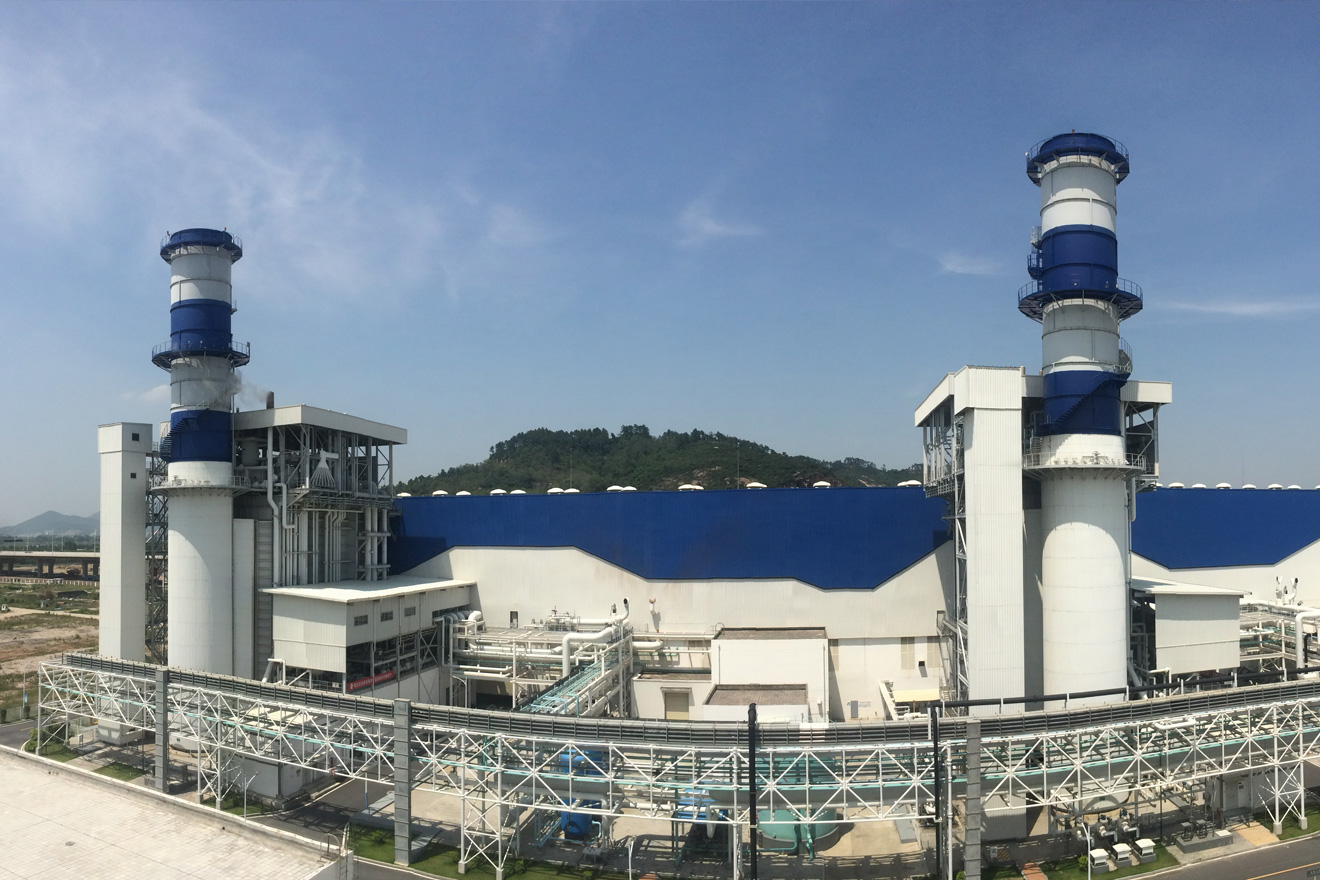
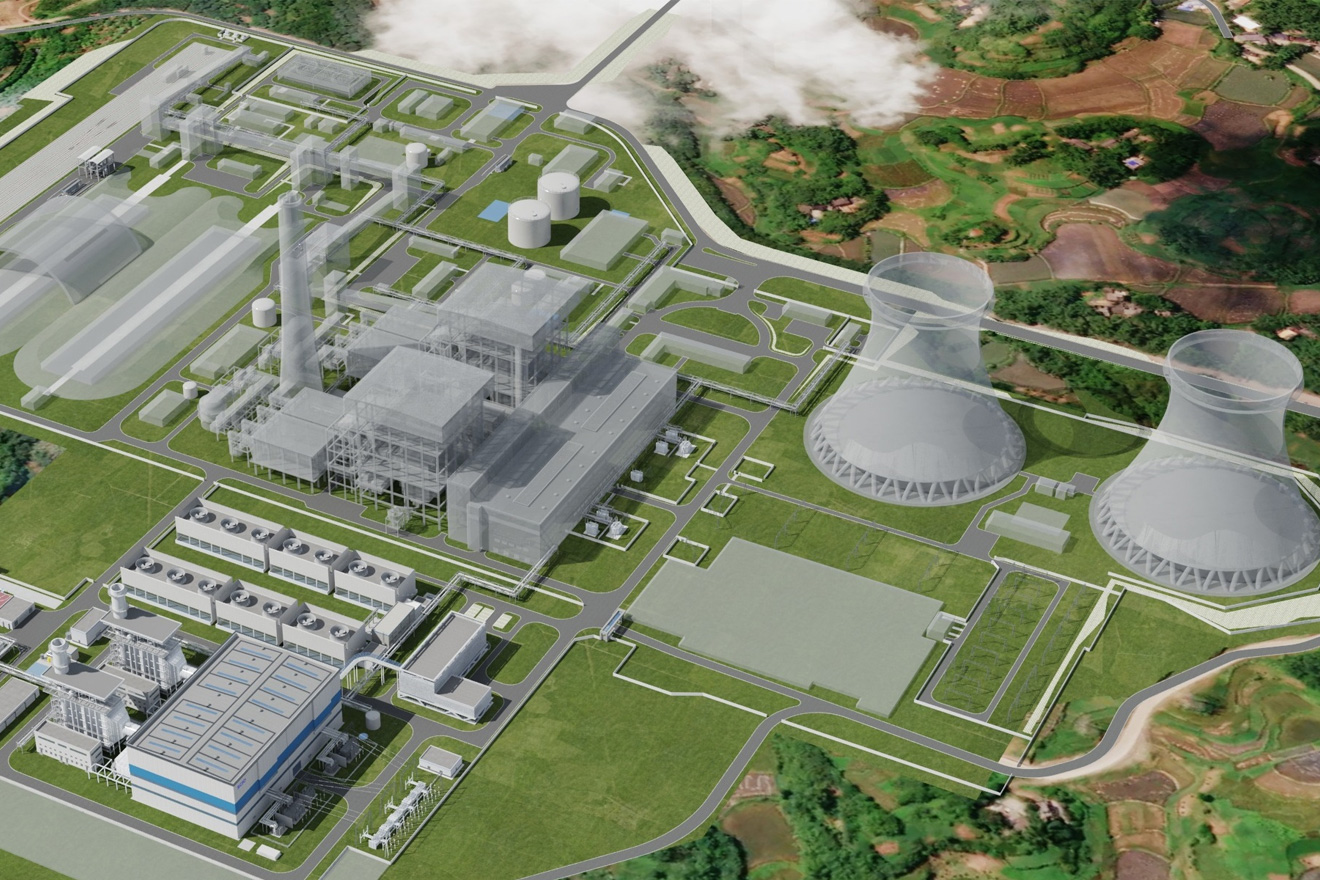
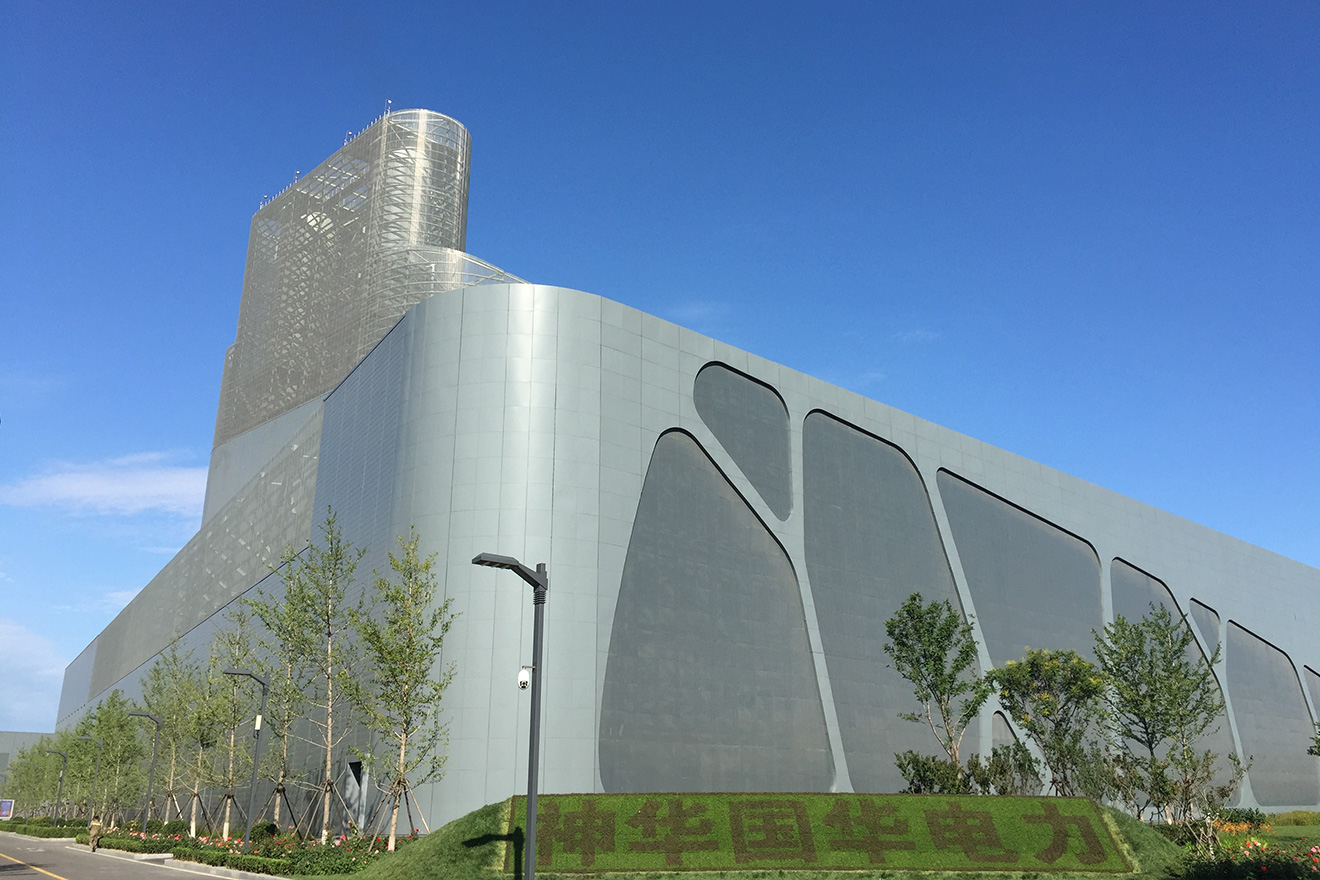
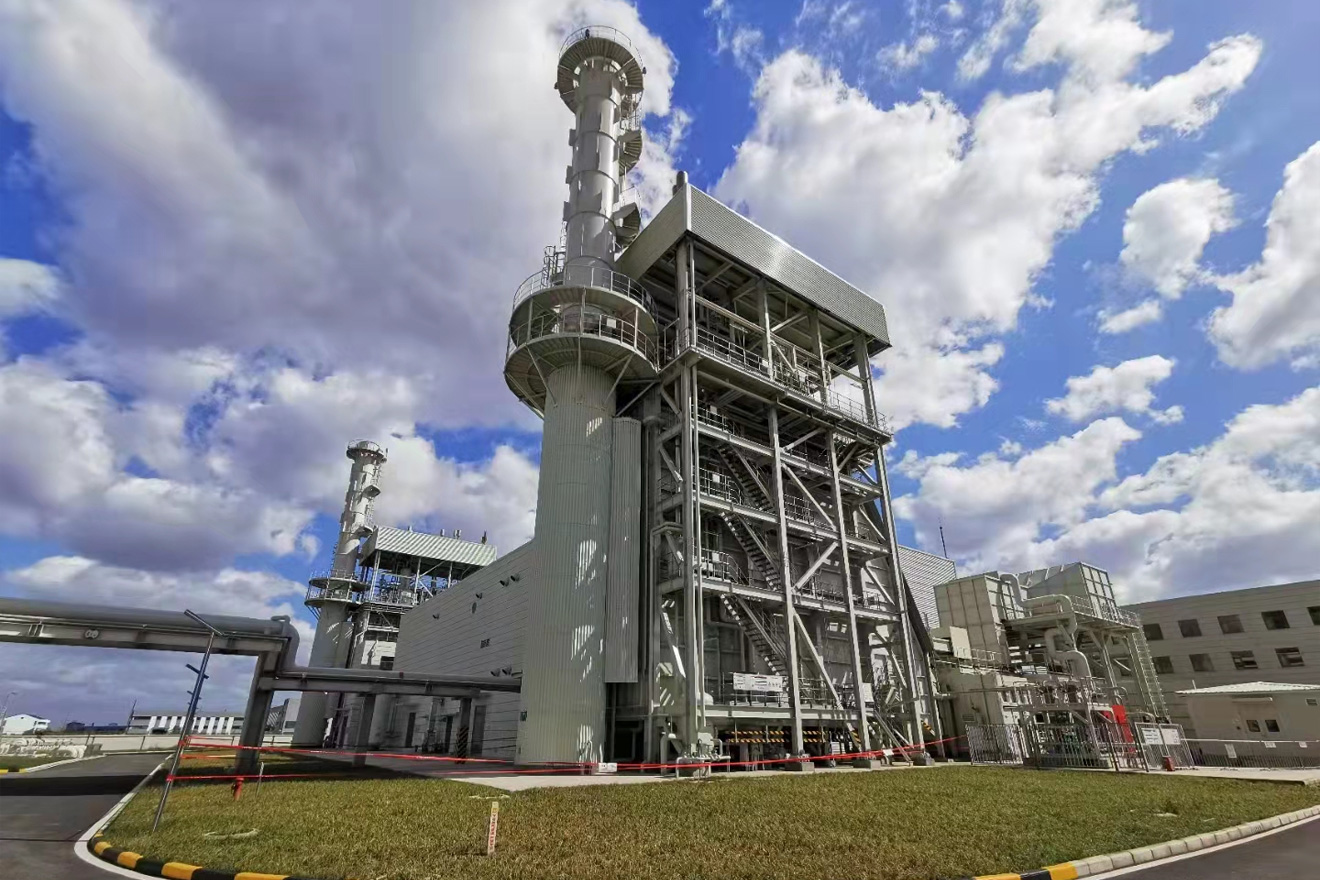

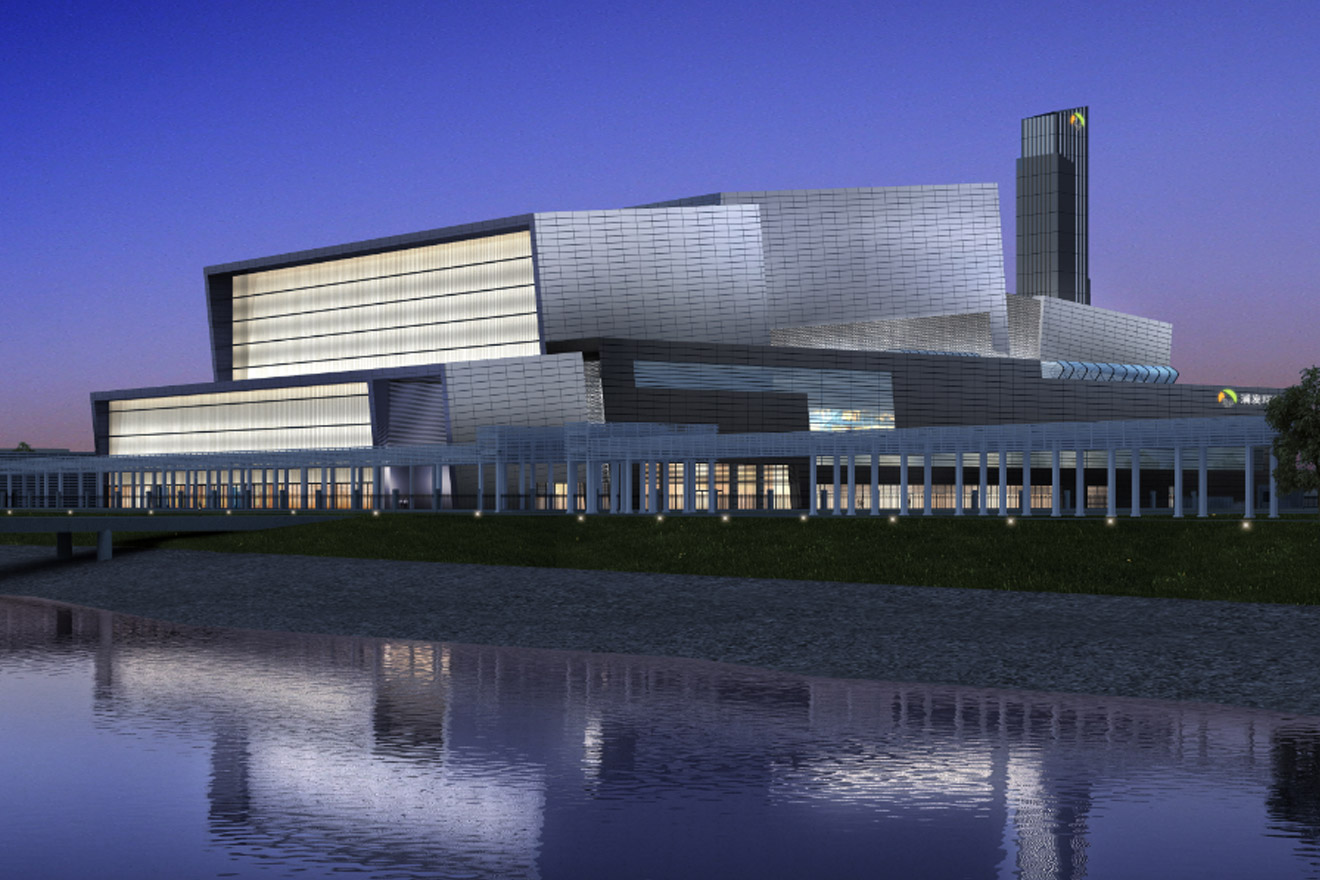
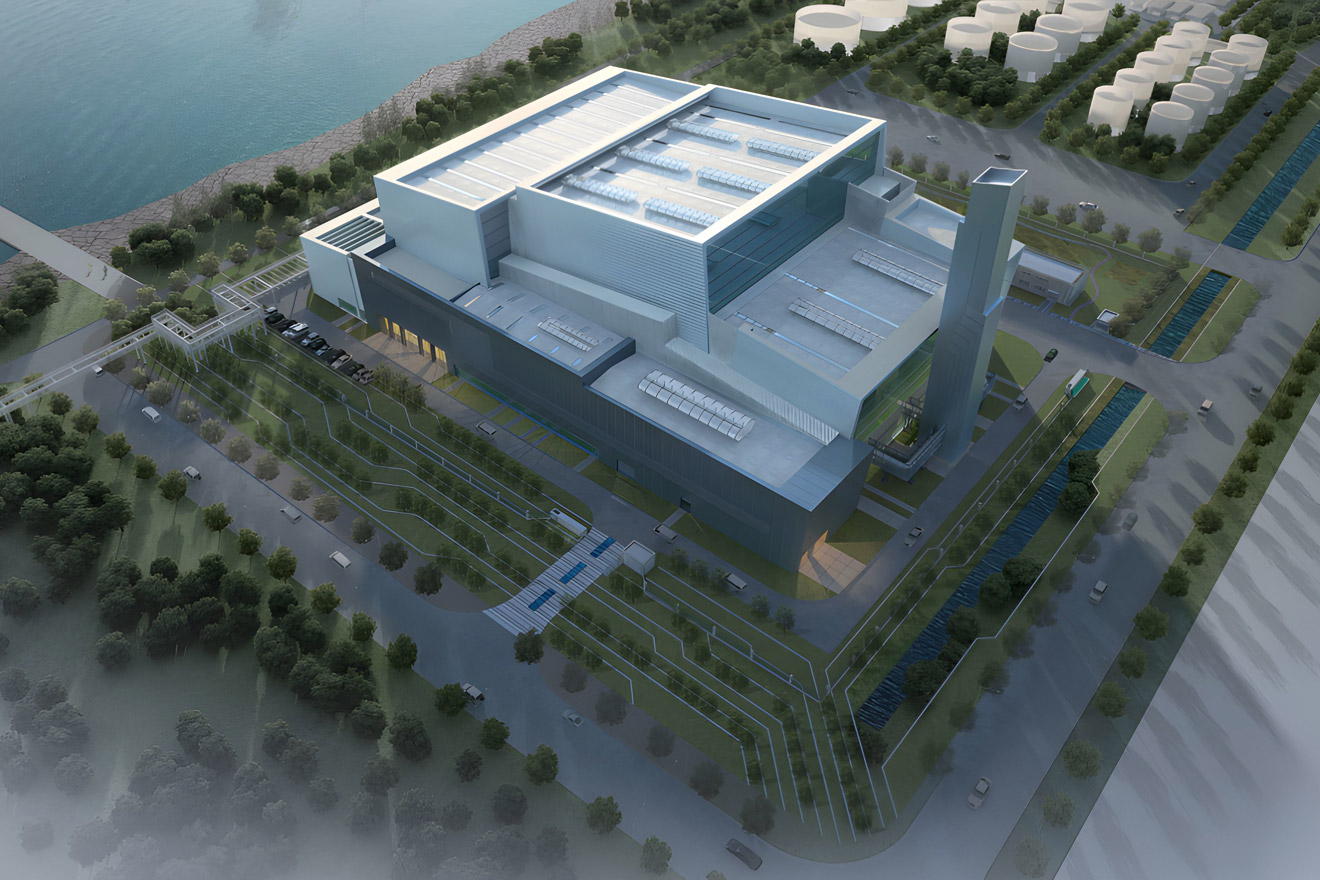
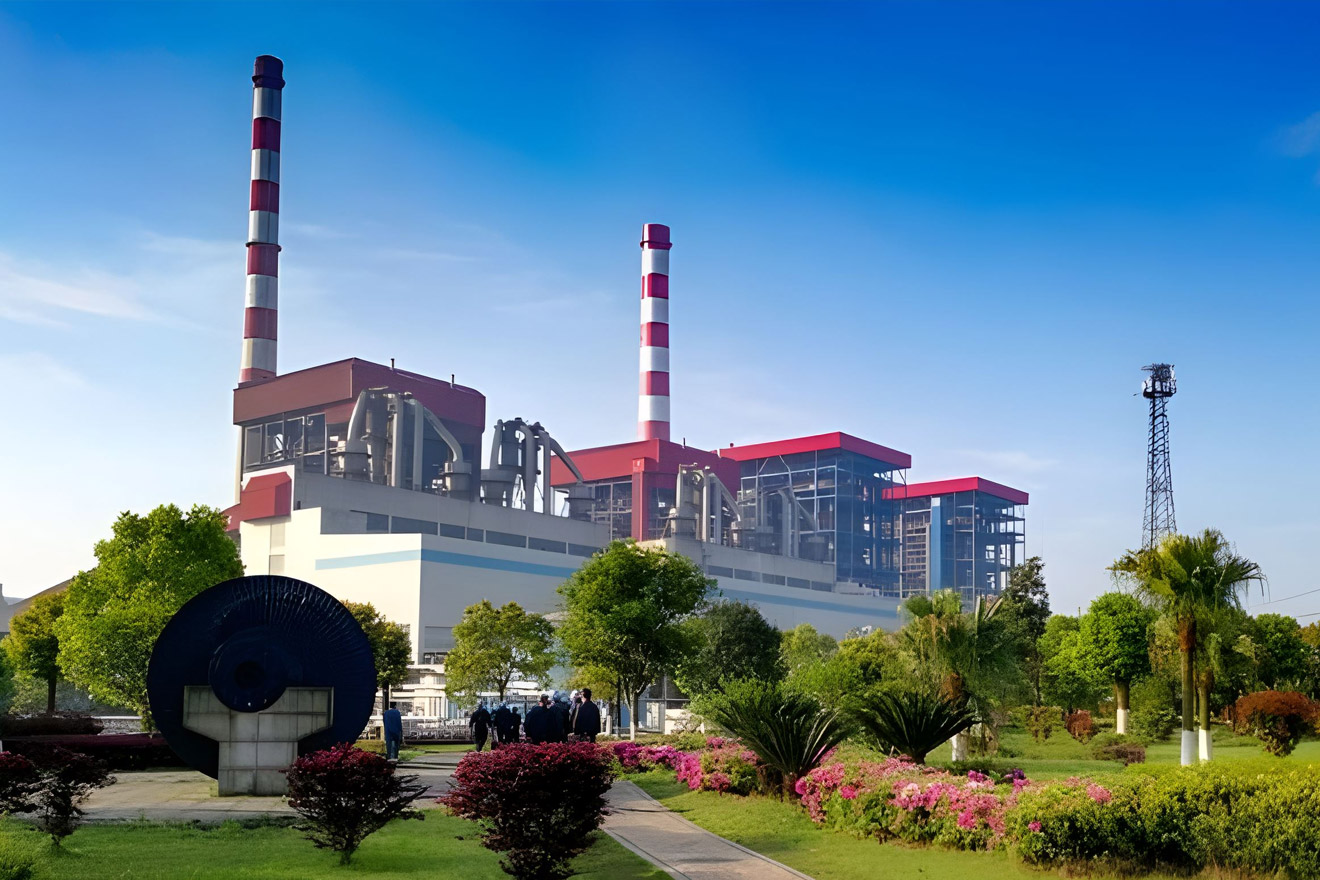
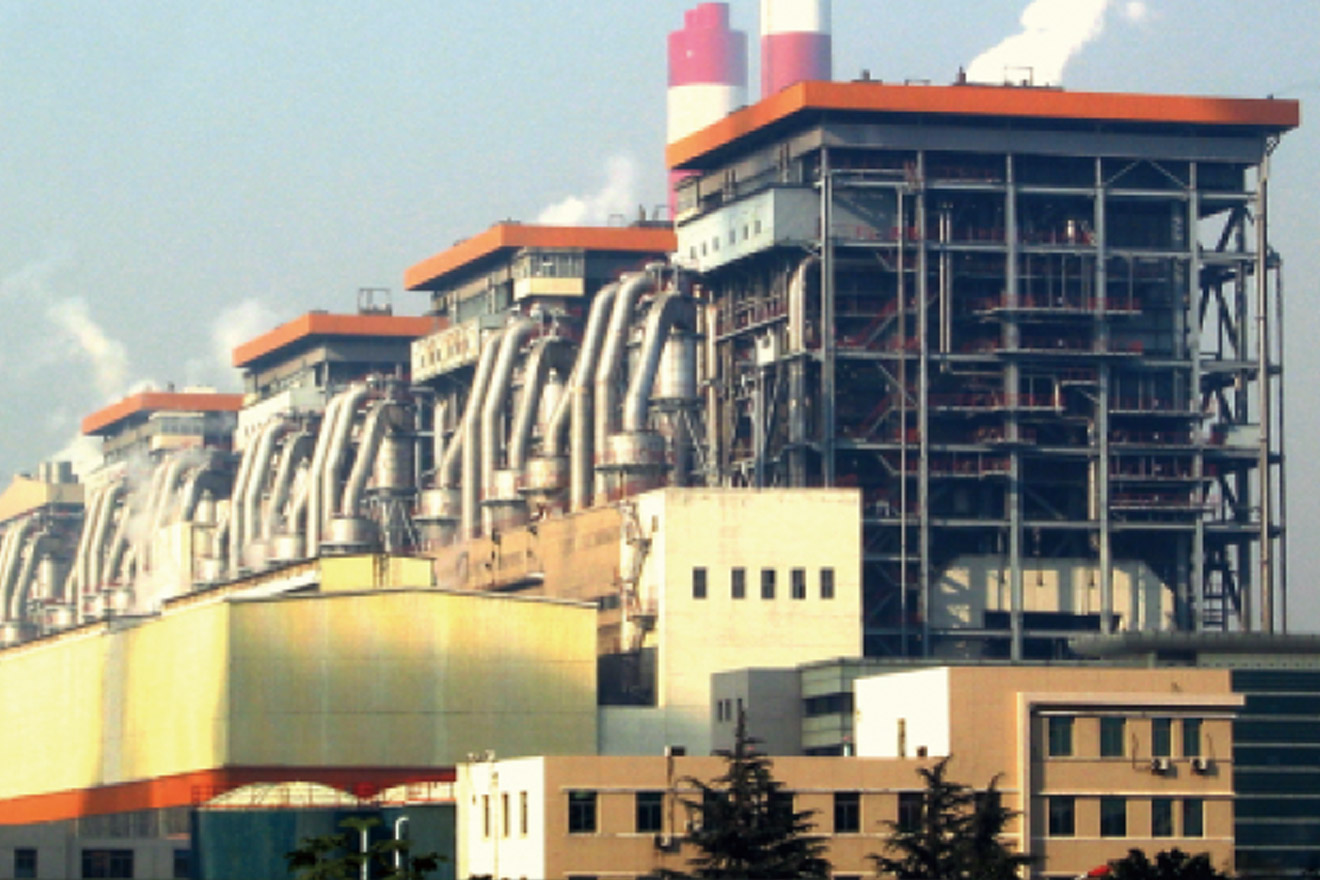
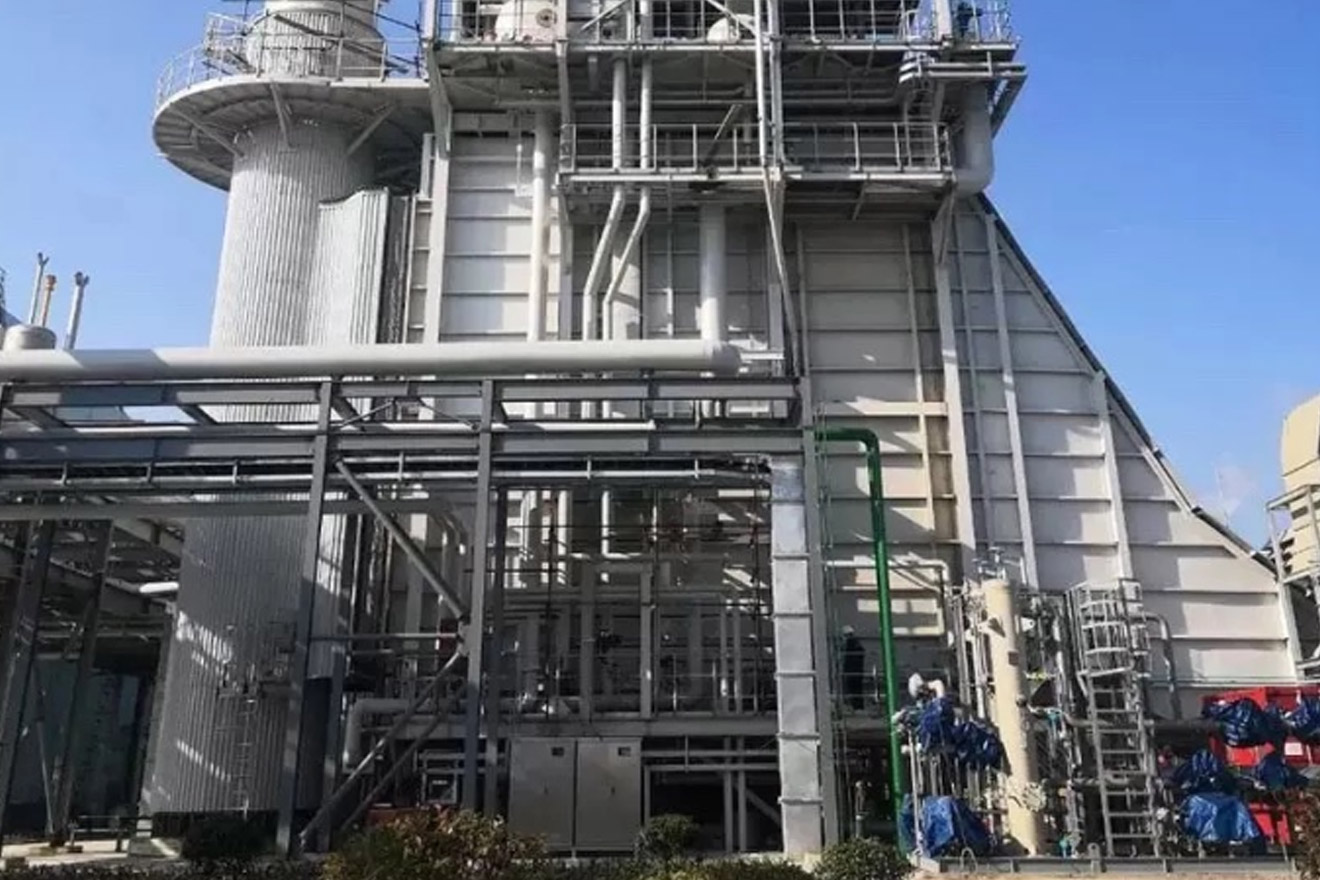
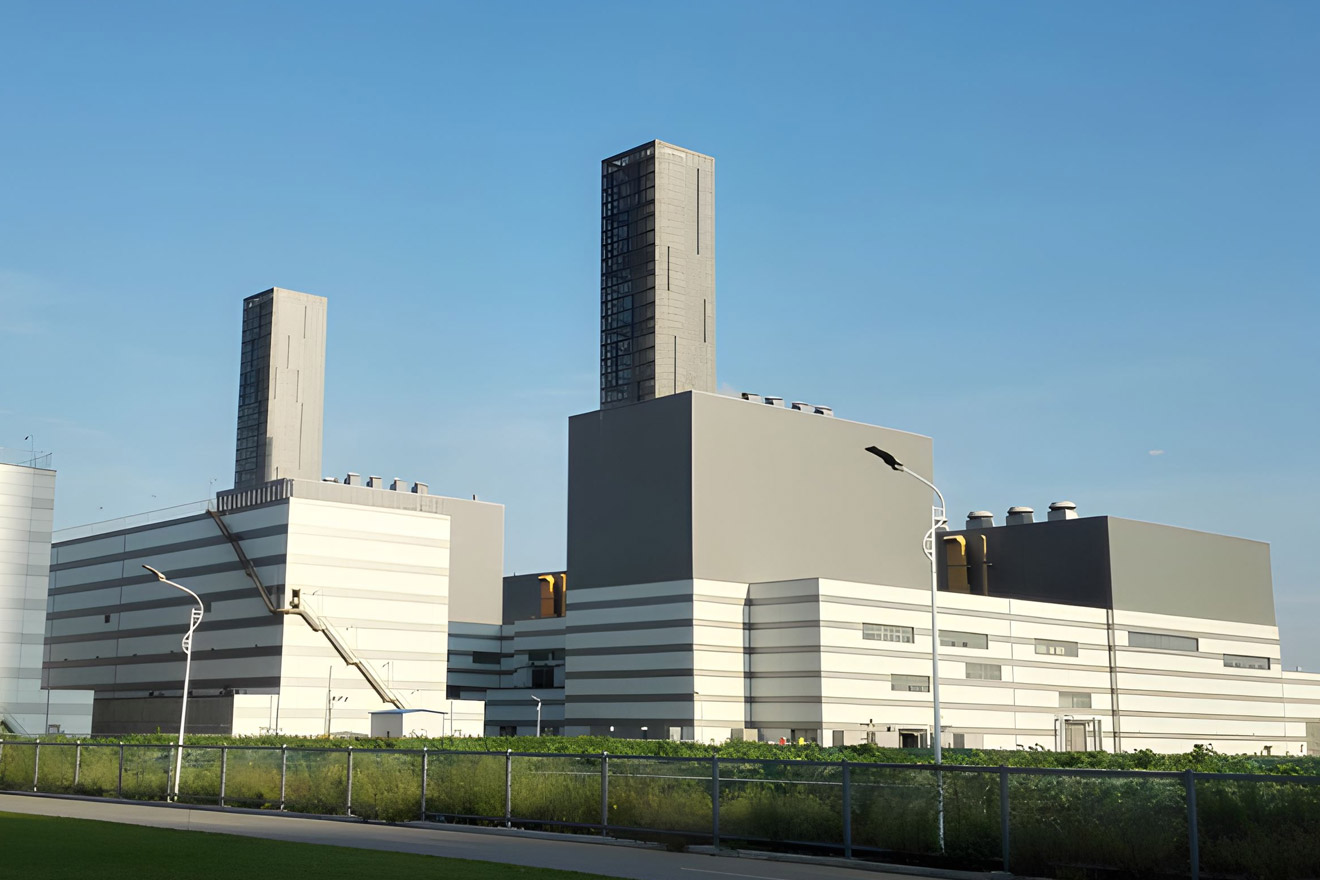
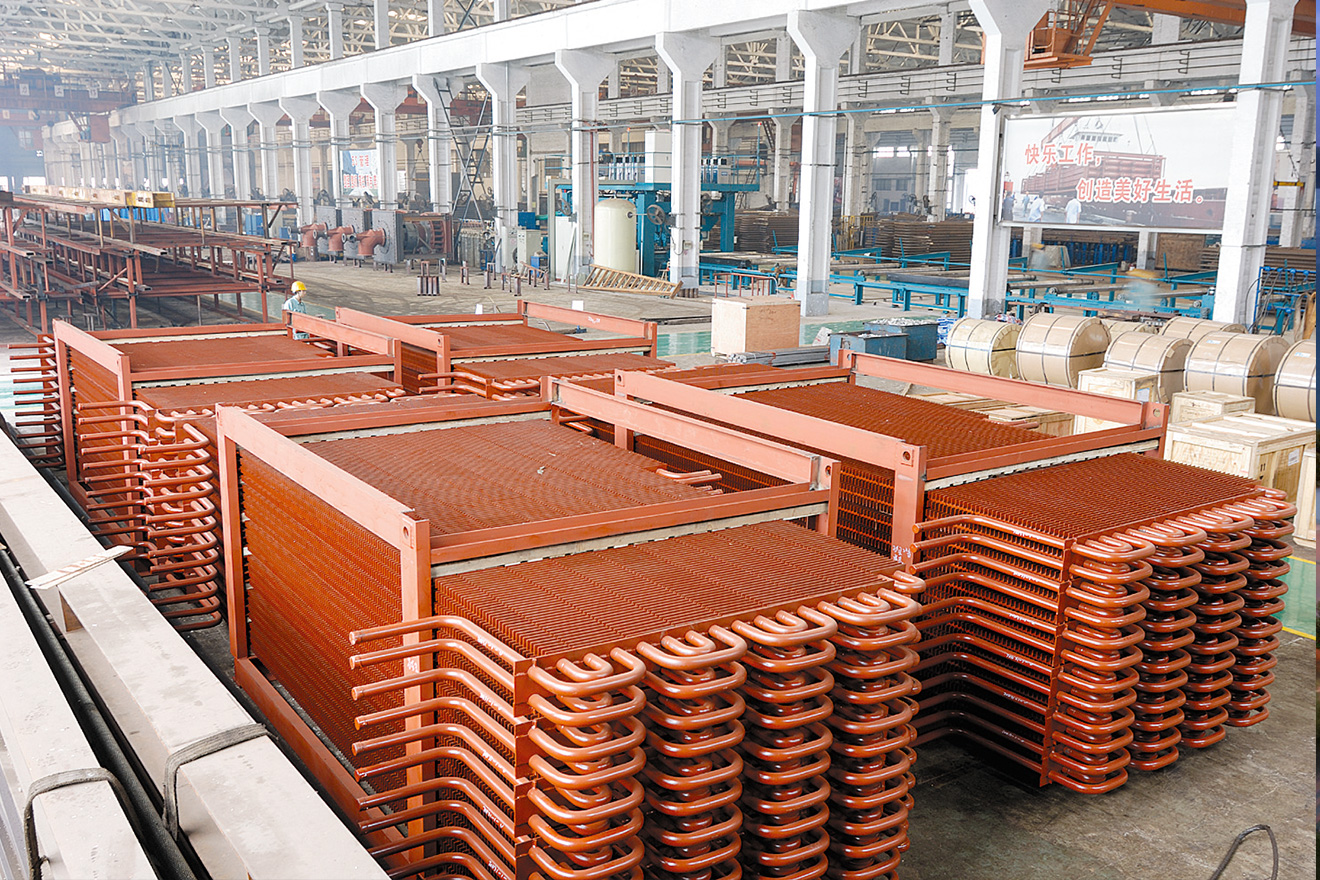
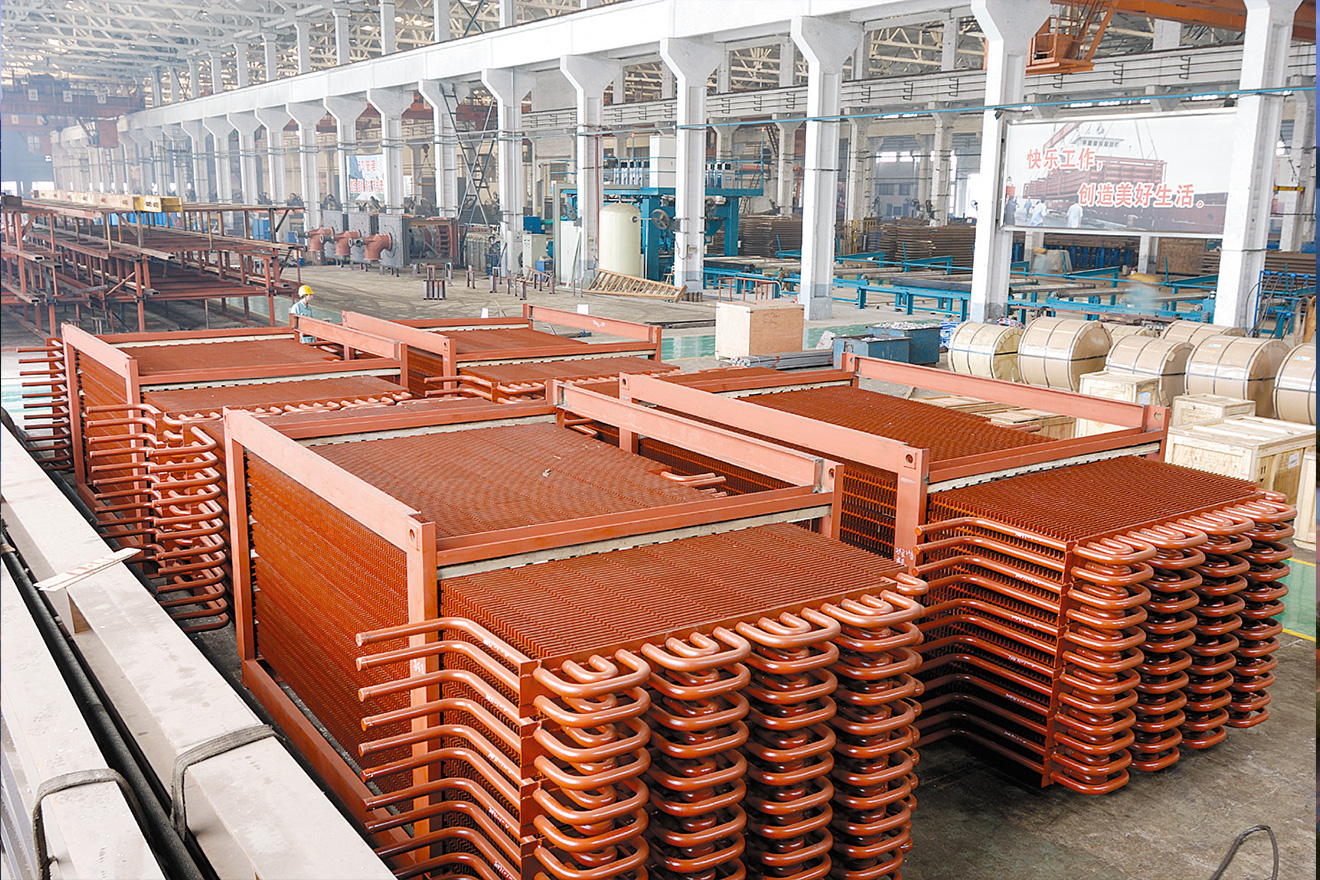
A Chemical Waste Incineration Boiler (WtE) is a system designed to thermally treat hazardous chemical waste and simultaneously recover energy in the form of steam or heat. It plays a crucial role in industrial waste management by converting harmful chemical byproducts into less hazardous emissions and usable energy. These boilers operate at extremely high temperatures that ensure the breakdown of complex hazardous waste molecules into simpler, non-toxic or regulated outputs. By integrating waste-to-energy processes, facilities can reduce environmental impact, lower fuel costs, and improve overall operational efficiency. Understanding the function, design, and optimization of these systems helps plant operators, environmental engineers, and sustainability strategists make informed decisions about installation, compliance, and long-term performance.
The effectiveness of a Chemical Waste Incineration Boiler (WtE) depends on the engineering and integration of its major components. Each element contributes to safe combustion, energy recovery, and emissions management. Modern installations often include advanced feed systems, refractory-lined combustion chambers, waste heat recovery units, and rigorous emissions control mechanisms to meet stringent environmental standards. Precisely engineered components ensure that hazardous waste is fully combusted and that the resulting heat is captured effectively for steam generation or direct use in industrial processes.
The combustion chamber serves as the core of the boiler where hazardous chemical waste undergoes high-temperature combustion. Fuel systems work in tandem to sustain temperatures that ensure complete thermal breakdown. The design often includes refractory linings to protect structural integrity and maintain consistent heat distribution throughout the process.
Heat recovery systems capture high-grade thermal energy from flue gases. This energy is transferred to water to generate steam, which can be utilized for power generation or process heating. Efficient heat exchange maximizes energy recovery and reduces reliance on external fuel sources.
Managing emissions is critical in chemical waste incineration. A Chemical Waste Incineration Boiler (WtE) emissions control and scrubber systems remove particulate matter and neutralize acid gases. Scrubbers use chemical reagents and washing stages to ensure outputs meet regulatory limits. The design must be capable of handling variable waste chemistries with reliable performance.
Optimization of a waste-to-energy boiler is essential to reduce operational costs and increase energy output. Industrial facilities focus on burner tuning, efficient airflow management, heat transfer enhancements, and minimizing unburned hydrocarbons to achieve higher process efficiency. Optimized systems increase steam production relative to waste input and reduce auxiliary fuel consumption. Understanding thermodynamic cycles, heat recovery effectiveness, and real-time monitoring plays a significant role in achieving these goals. Operators frequently use sensor data and advanced control algorithms to balance combustion stability, emissions limitations, and energy extraction to deliver consistent plant performance.
Environmental and safety planning for a Chemical Waste Incineration Boiler (WtE) must address both emission standards and the safe handling of hazardous feedstocks. Stringent regulatory frameworks govern the permissible limits of pollutants and enforce continuous monitoring. Operational safety includes emergency shutdown capabilities, containment strategies for accidental releases, and protective equipment for personnel. By incorporating robust safety protocols and emissions systems, facilities can meet compliance while protecting worker health and minimizing environmental impact.
Regulatory compliance requires detailed documentation and continuous monitoring to demonstrate adherence to permitted emission thresholds. Facilities deploy monitoring instruments for particulate matter, NOx, SOx, and other regulated species. Emission data is often logged and reported to environmental agencies for audit and verification.
Safe handling of hazardous chemical waste ensures that incineration operations proceed without uncontrolled exposure or accidental releases. Facilities train personnel in waste segregation, transportation controls, and emergency response planning. Compliance with hazardous materials handling regulations reduces risk and supports uninterrupted operations.
The design of a hazardous waste steam boiler integrates structural, thermal, and environmental systems to ensure safe and efficient performance. Engineering considerations include refractory design, combustion stability, emissions systems, and thermal cycle layout. Waste heat recovery plays a major role in improving overall plant efficiency by capturing and reusing residual heat from exhaust streams. Advanced heat recovery solutions can include economizers, steam reheaters, and supplemental feedwater preheating. Proper design ensures balanced thermal profiles, reduces energy losses, and delivers consistent steam output for process or power generation.
Selecting the appropriate waste-to-energy boiler involves evaluating plant scale, feedstock types, desired energy recovery, and long-term operational goals. Supplier capabilities, design customization, certification history, and after-sales support are key decision factors. Understanding the trade-offs between upfront investment and lifecycle performance will guide procurement strategies and ensure that the chosen system aligns with sustainability goals and operational budgets.
Capacity planning involves matching boiler throughput with expected waste volume and steam demand. Undersized systems may bottleneck production while oversized systems increase capital costs and operating overheads.
Certified manufacturers with documented performance history ensure reliable delivery and compliance-ready installations. Third-party certifications and engineering audits validate design quality and safety.
A Chemical Waste Incineration Boiler (WtE) can safely process a broad range of hazardous chemical wastes, including solvent residues, contaminated sludges, industrial byproducts, and chemical intermediates. Feedstocks must be evaluated for combustion characteristics and emissions potential to ensure compliance with environmental standards and operational safety.
Emissions are minimized through advanced scrubber systems, particulate filters, and real-time monitoring. A Chemical Waste Incineration Boiler (WtE) emissions control and scrubber systems implementation ensures that regulated pollutants like NOx, SOx, and particulate matter remain within permitted limits. Regular maintenance and calibration of these systems are essential to sustain performance.
Routine inspection of refractory linings, heat exchangers, and scrubber components prevents premature wear. Scheduled cleaning of heat transfer surfaces and combustion controls improves efficiency and prolongs service life. A proactive maintenance plan reduces unexpected downtime and extends overall equipment longevity.
Waste heat recovery captures residual thermal energy from flue gases and reintegrates it into steam generation, reducing the need for auxiliary fuel. A Chemical Waste Incineration Boiler (WtE) waste heat recovery solutions framework enhances energy utilization, lowers operational costs, and supports plant sustainability goals by maximizing thermal efficiency.
Yes, international standards and regional environmental codes govern the design, installation, and operation of waste-to-energy boilers. Compliance aligns with engineering benchmarks for safety, emissions, and energy efficiency. Certified designs help ensure predictable performance and regulatory acceptance during permits and audits.

No.1267, Chenggong Road, Jiaxing City, Zhejiang Province, China

sales1@mhdb.com.cn / sales2@mhdb.com.cn

+86-573-82625131 / +86-573-82625132
+86-573-82625133

+86-573–82625130
© MHl Power Dongfang Boiler Co., Ltd. (MHDB) All Rights Reserved.
