
 En
En  中文简体
中文简体Home / News / Industry News / What is Medical Waste to Energy and How Does it Work?
HRSG
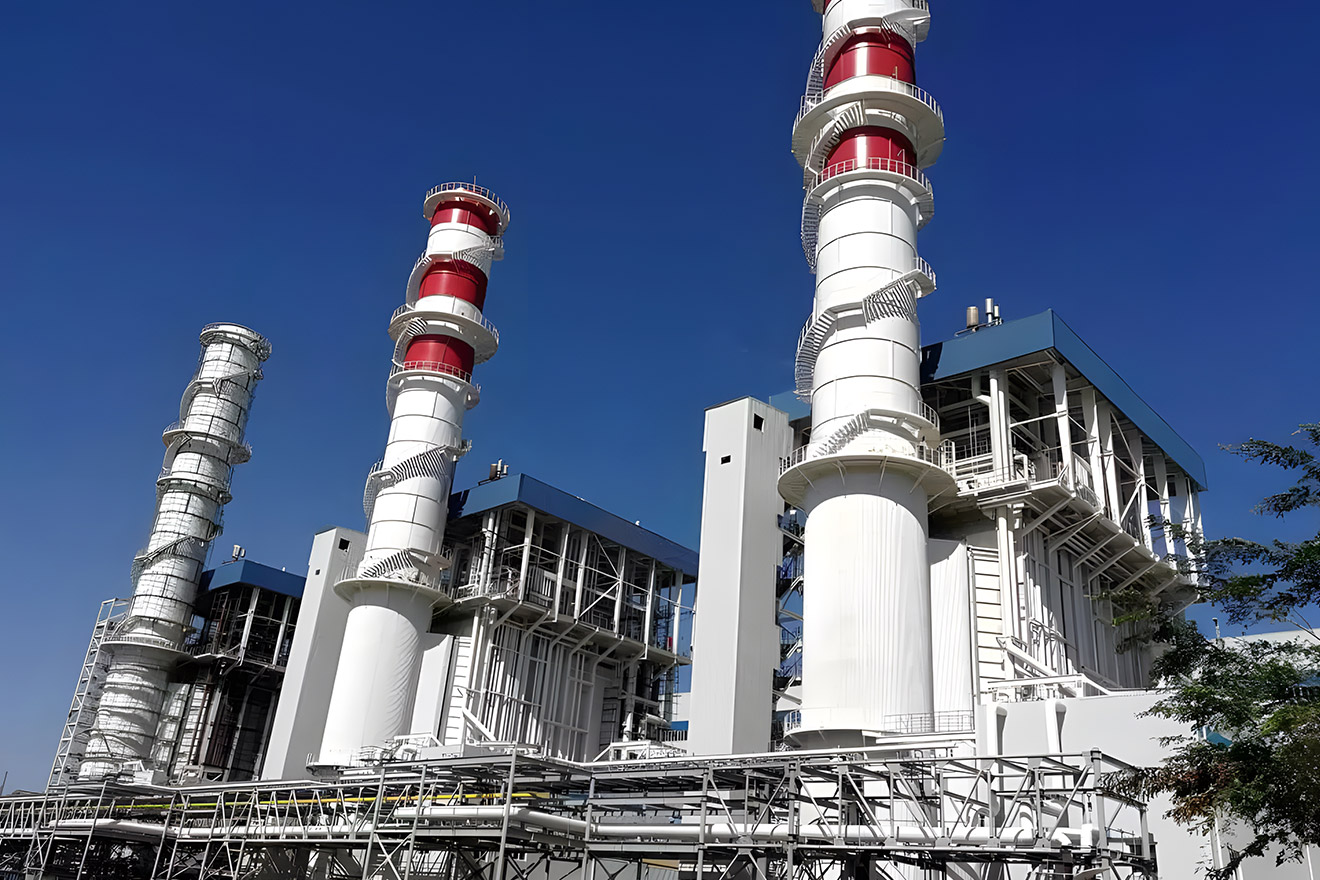
High-Efficiency Heat Recovery Steam Generator, Natural Gas and Oil.
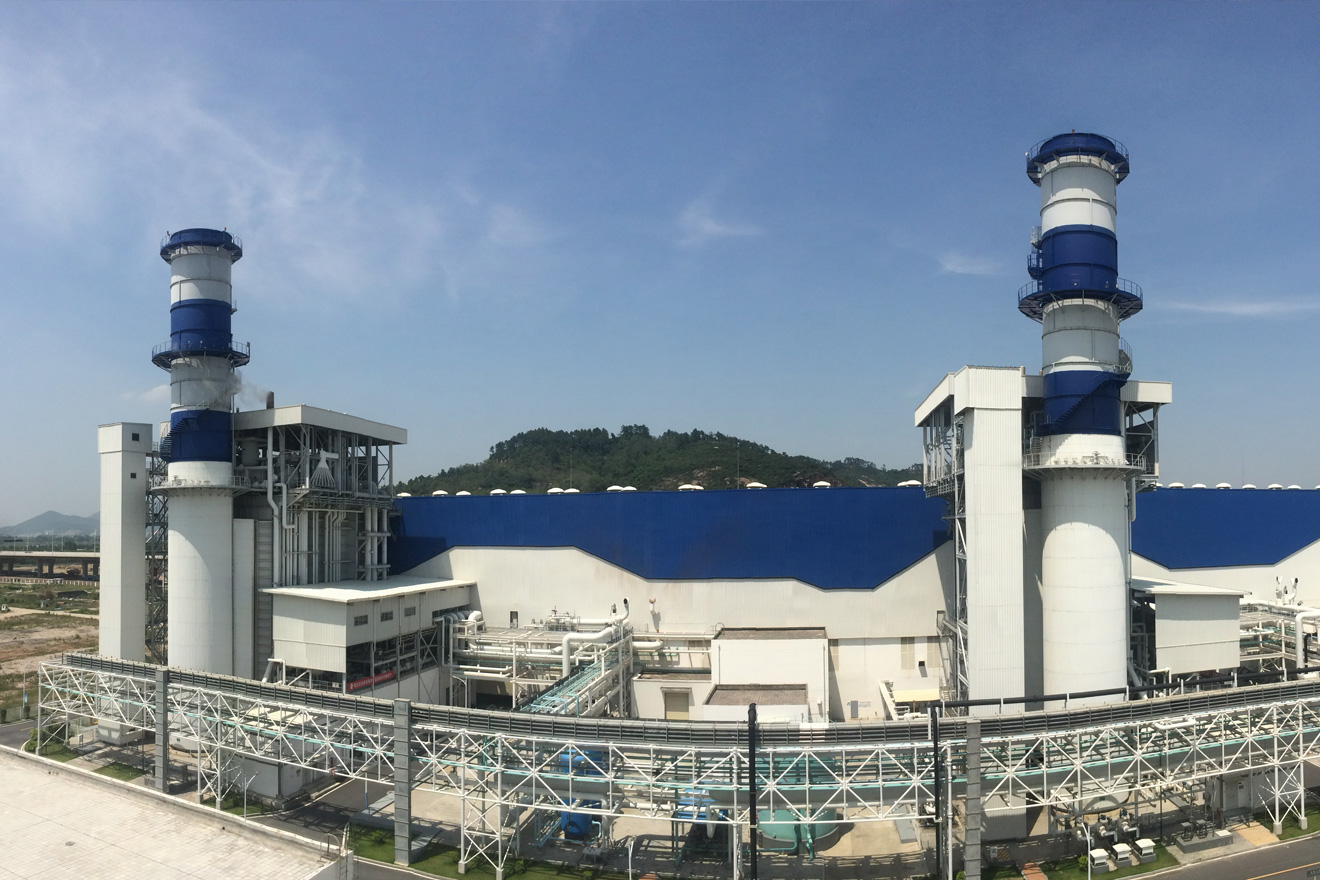
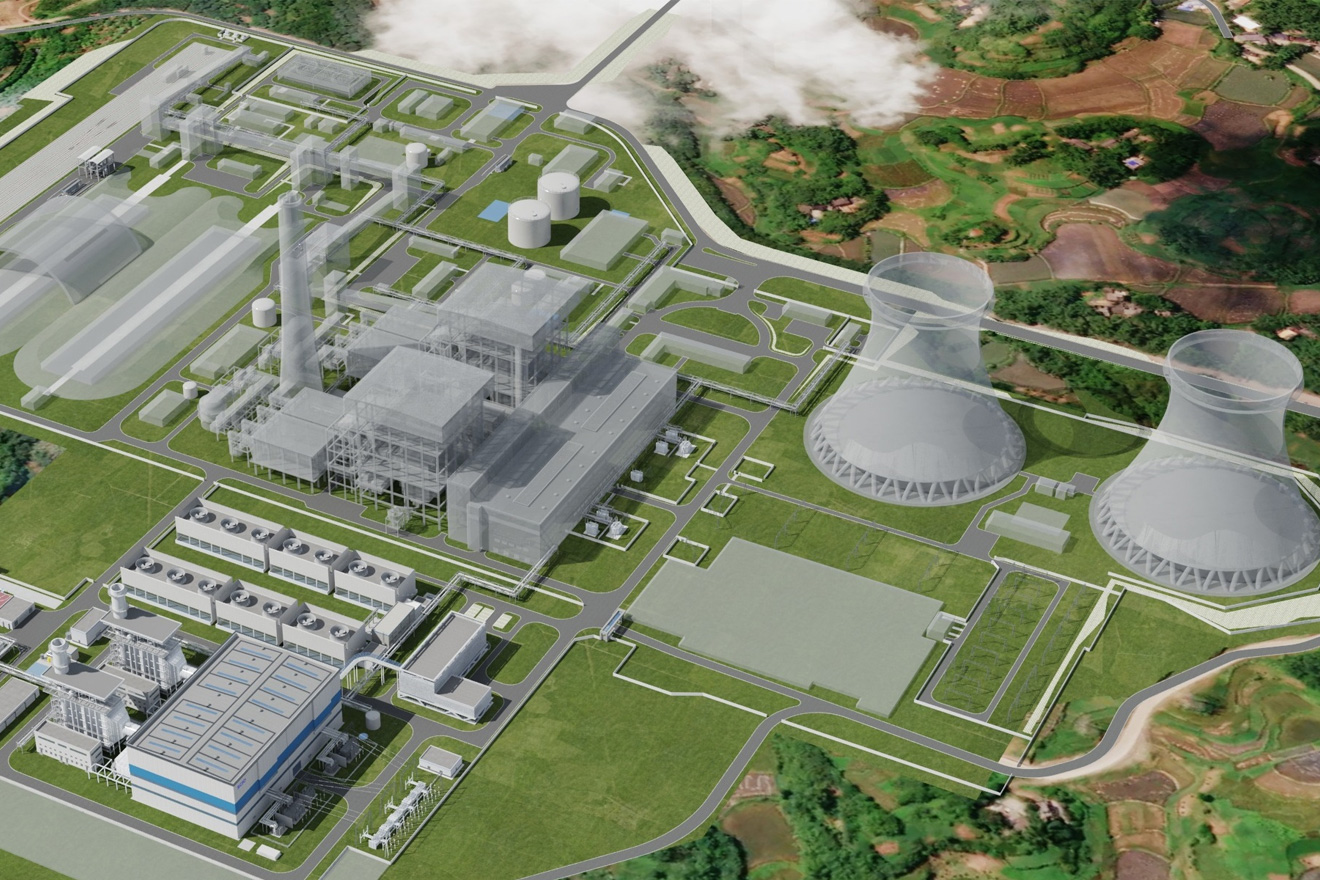
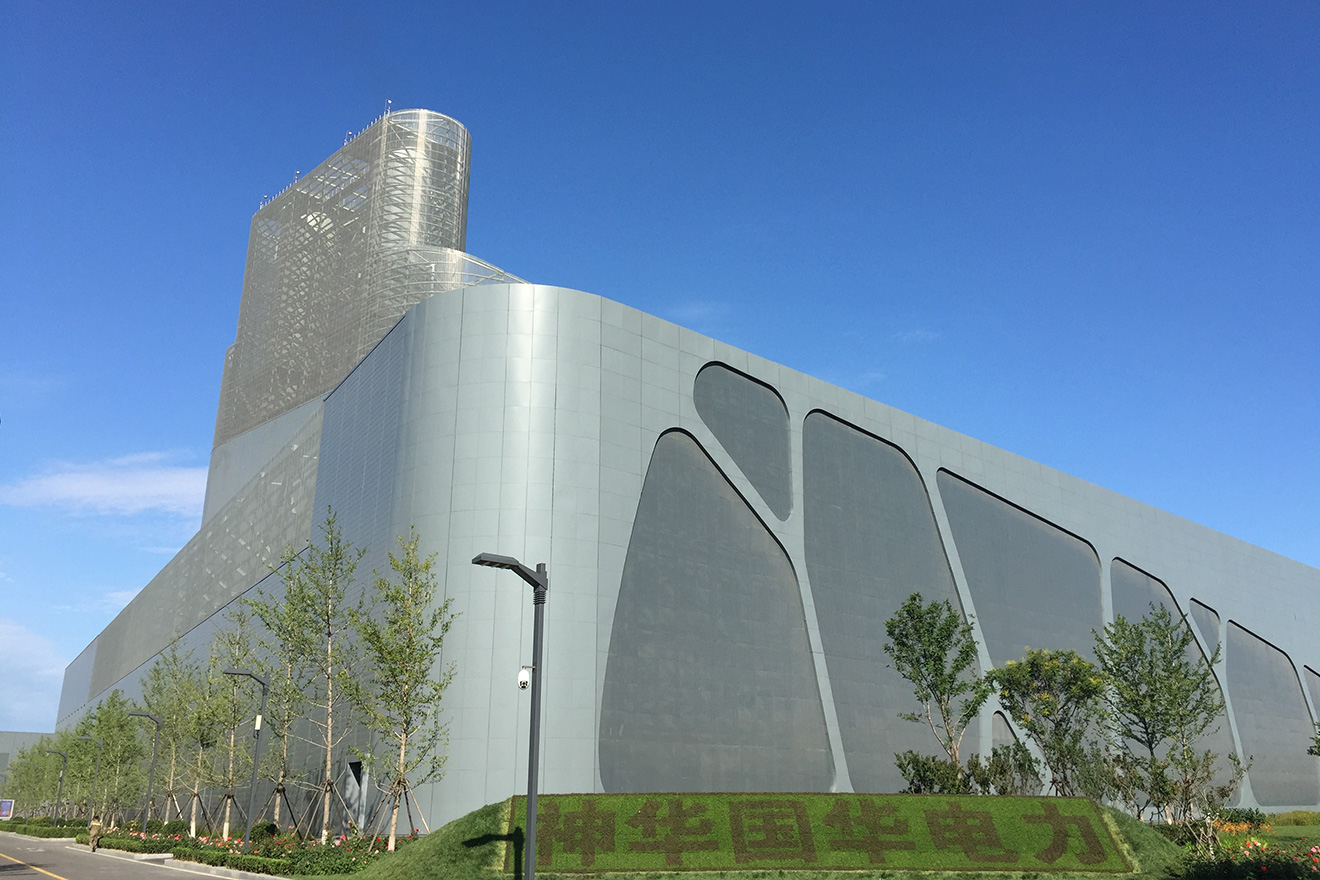
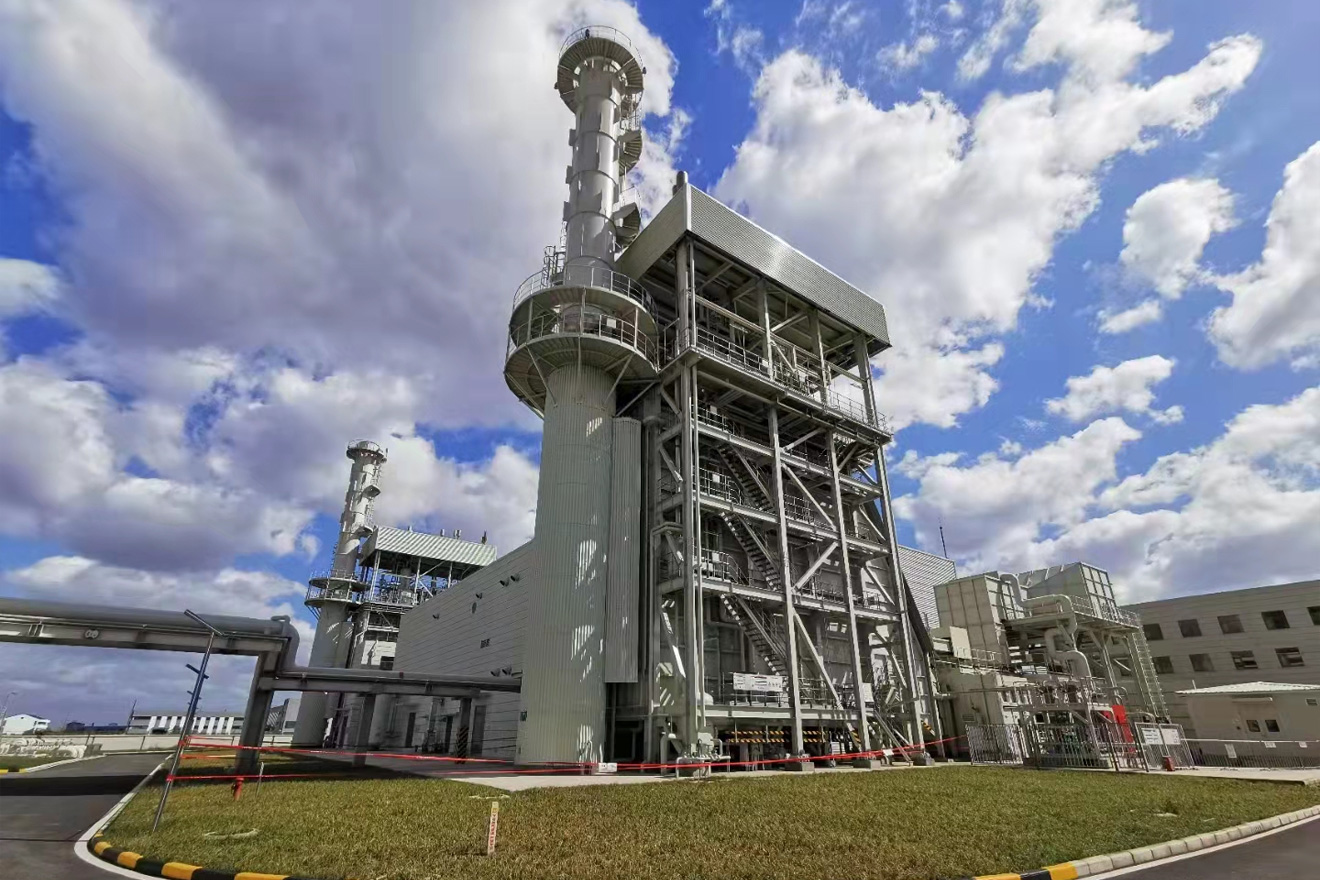

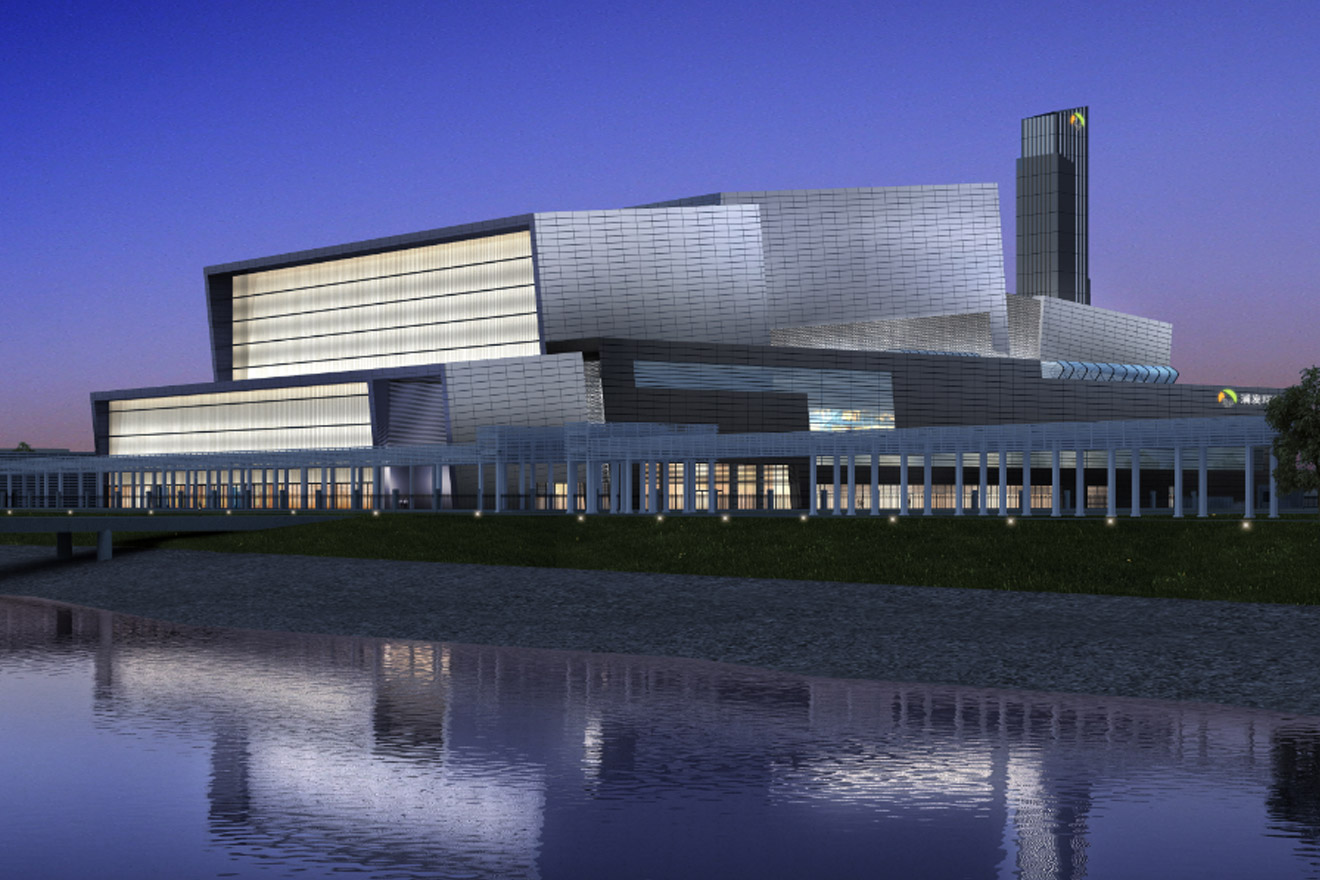
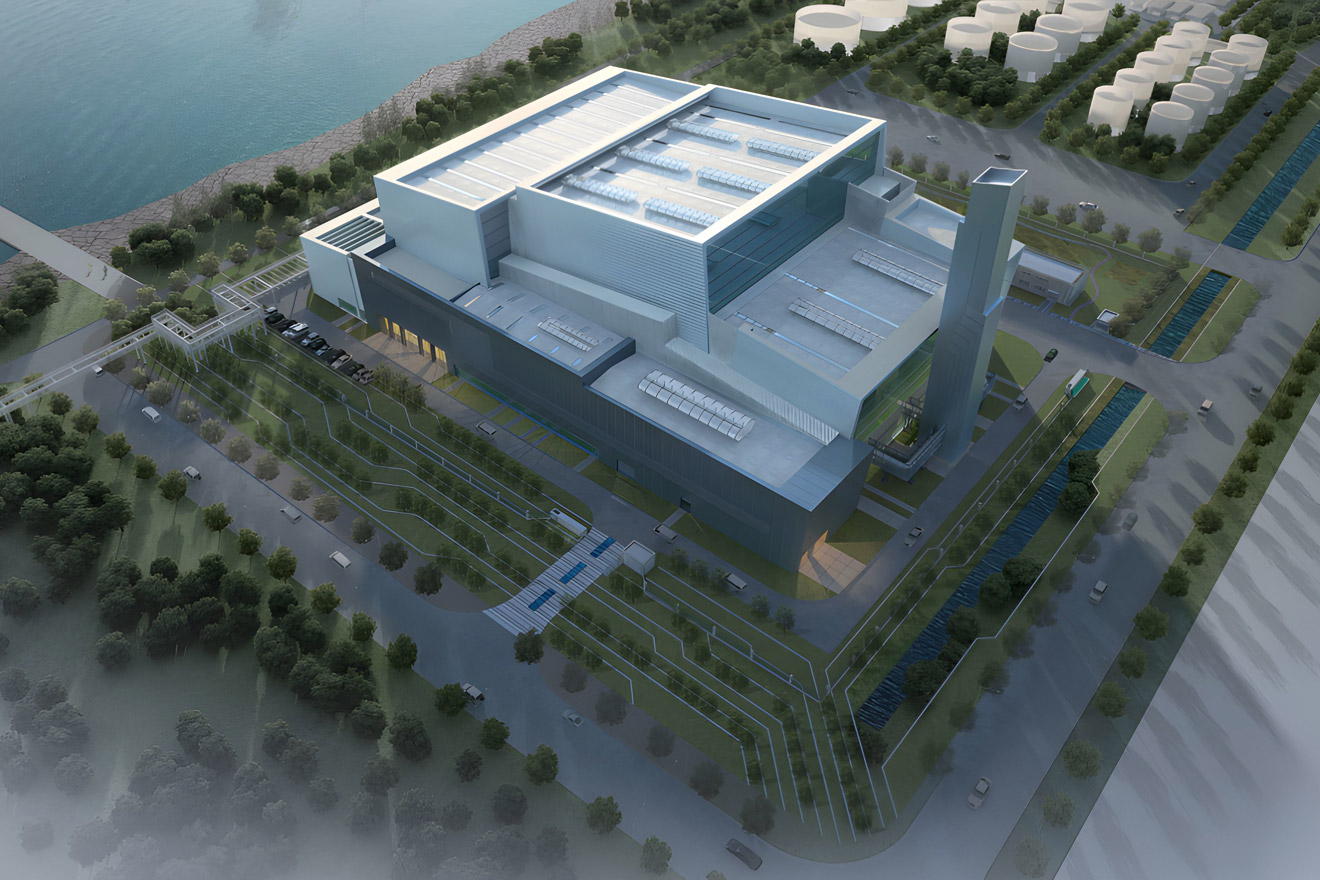
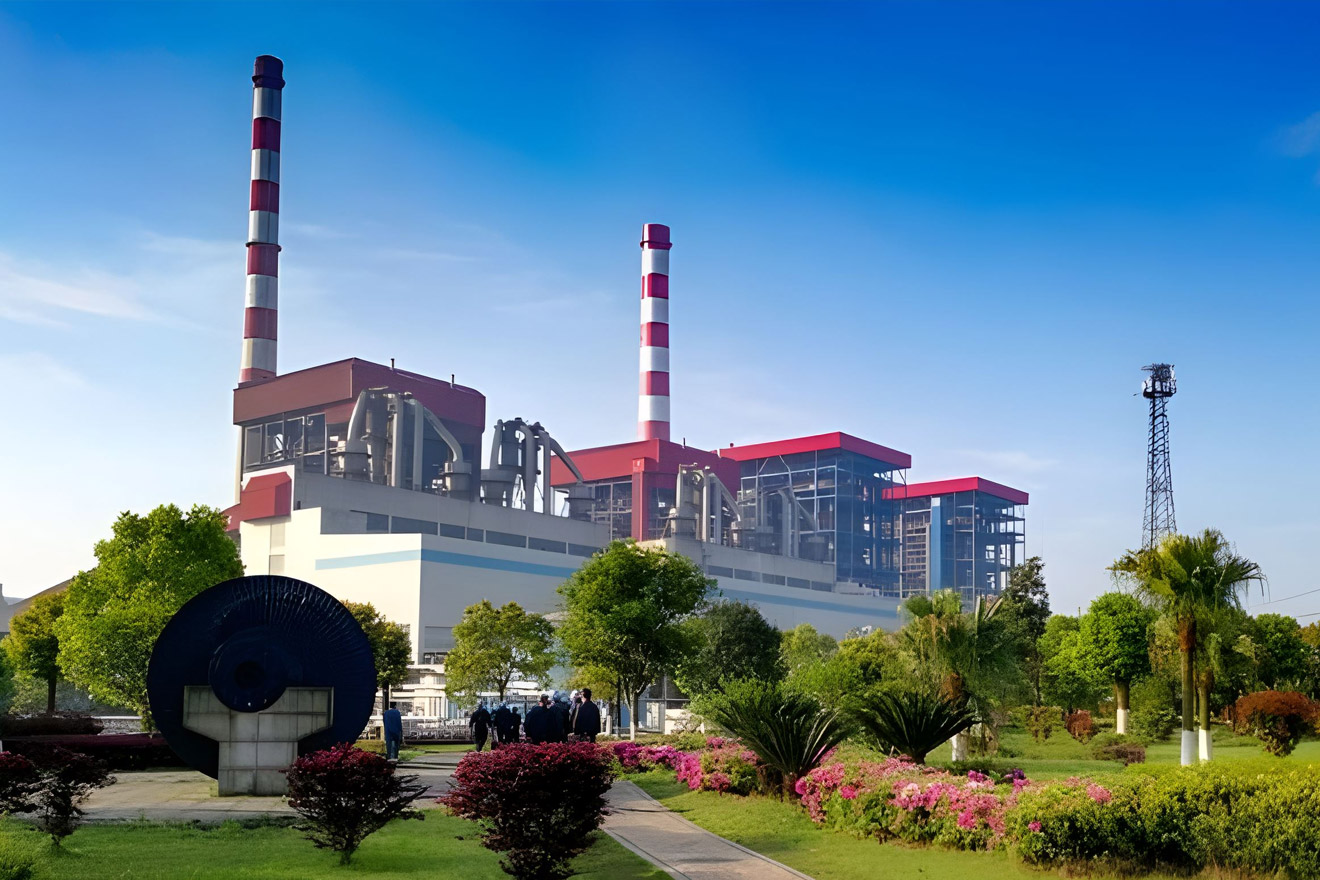
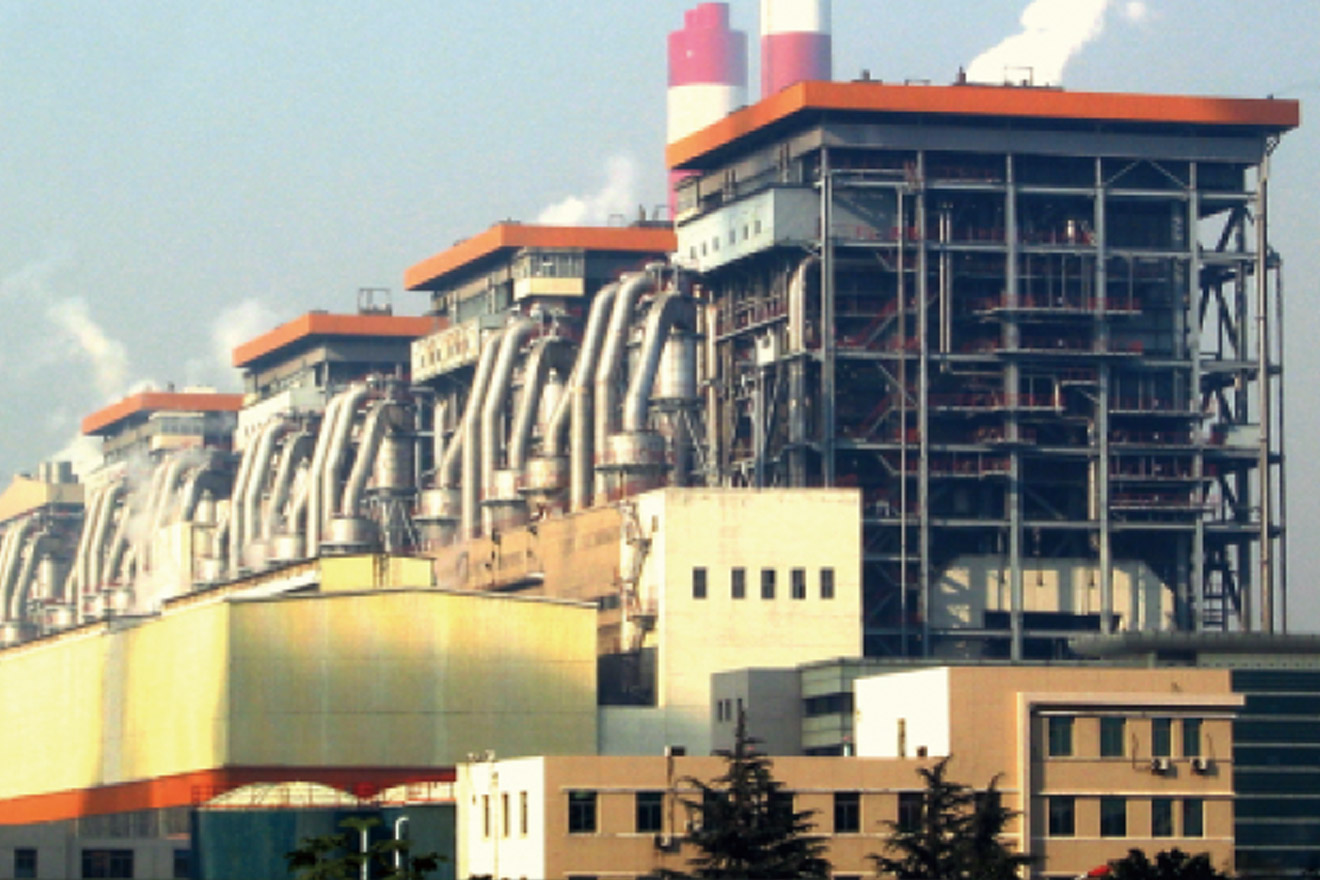
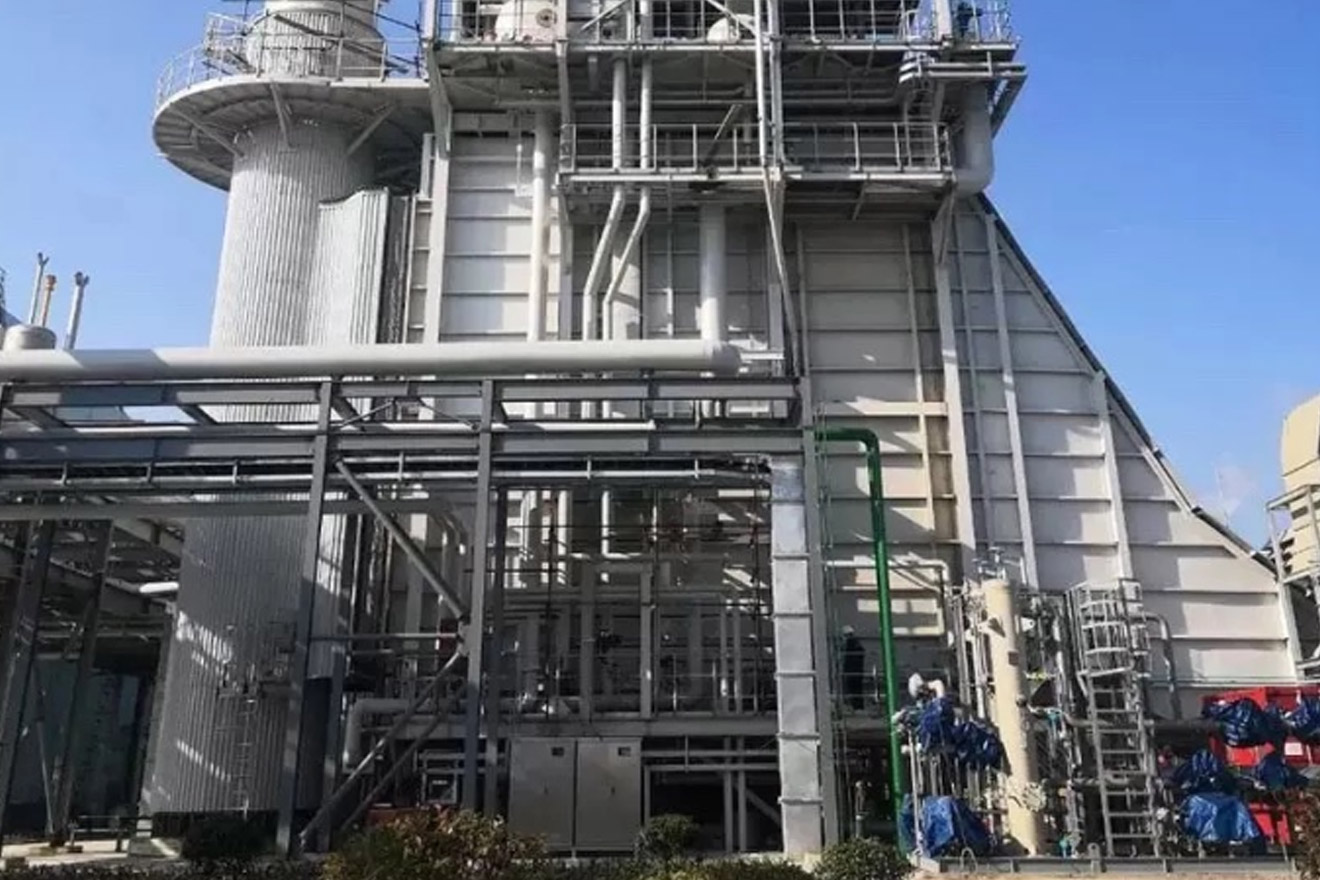
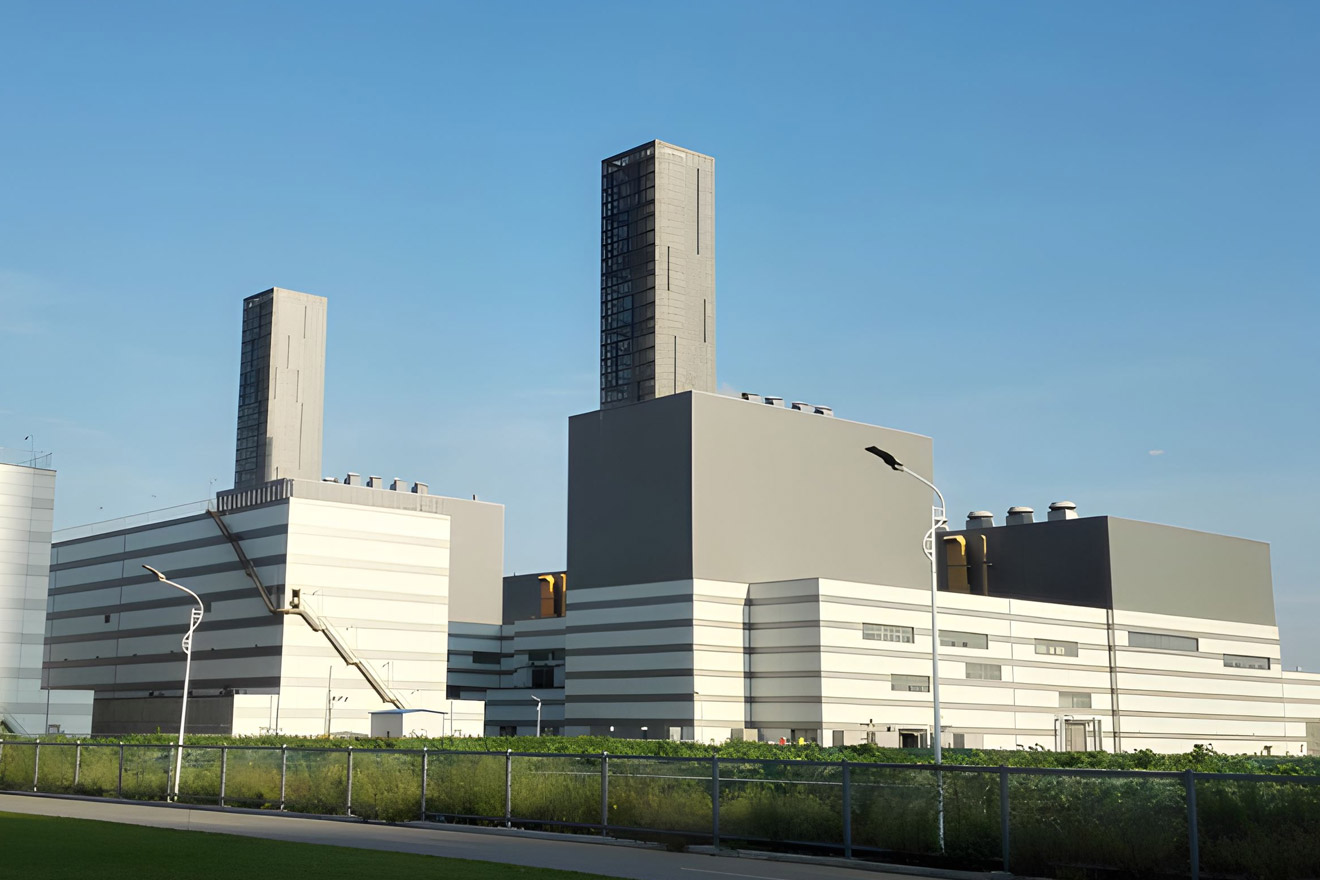
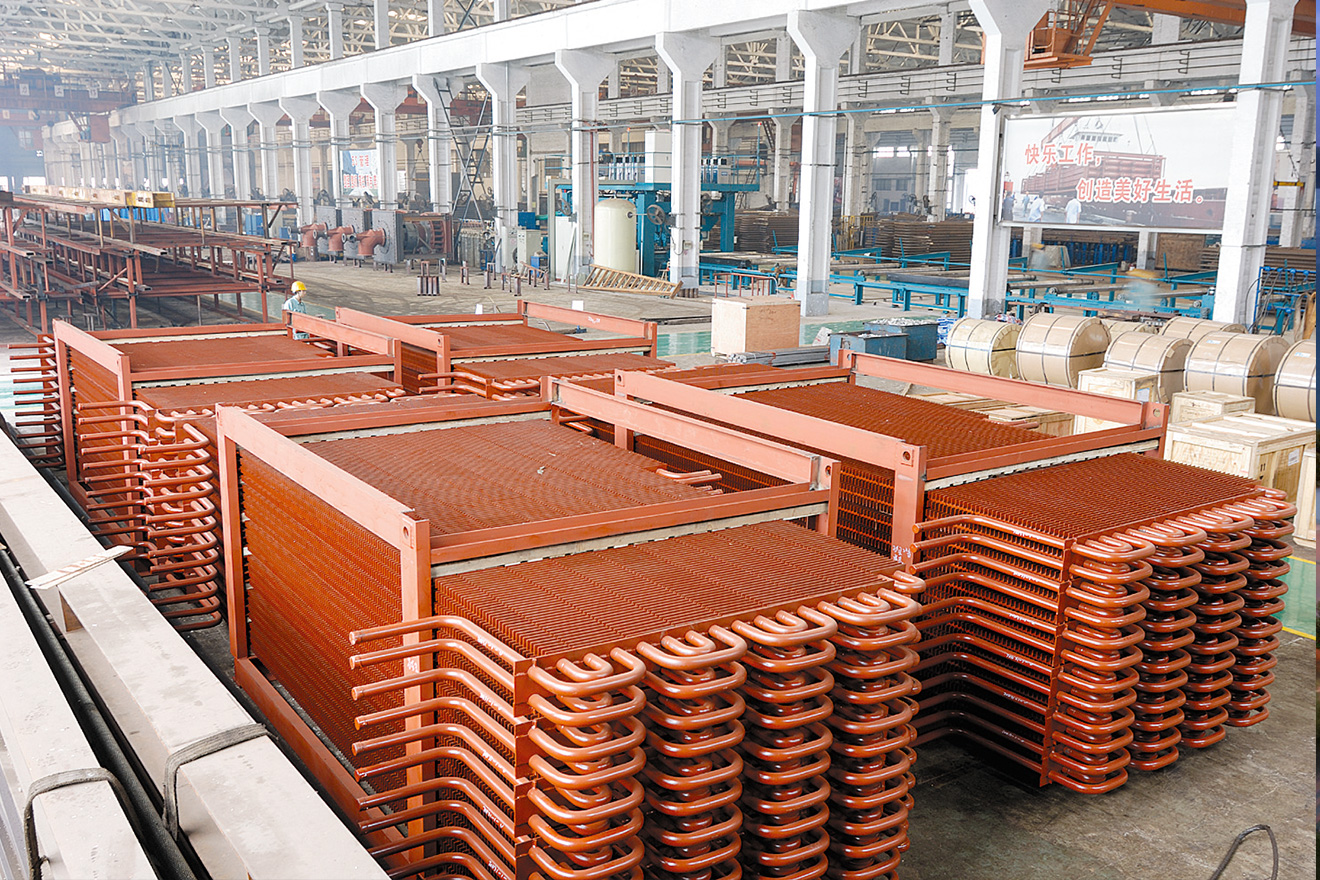
The global healthcare sector generates millions of tons of medical waste annually, a byproduct that is not only voluminous but also potentially hazardous. Traditionally, this waste stream—comprising sharps, infectious materials, pharmaceuticals, and pathological waste—has been managed through methods like landfilling and basic incineration. However, these approaches are increasingly recognized as unsustainable. Landfilling poses long-term risks of soil and groundwater contamination, while simple incineration, without energy recovery, wastes a significant thermal resource and can contribute to air pollution if not strictly controlled. This has created a pressing dual challenge: ensuring the safe, complete destruction of hazardous components while extracting value from what was once considered merely a disposal problem. A Medical Waste To Energy Solution directly addresses this challenge by transforming a costly liability into a source of renewable energy and reducing environmental footprint, aligning with stringent international regulations and corporate sustainability goals.
The heart of any Medical Waste To Energy Solution lies in its conversion technology. These systems must achieve two primary objectives: the complete sterilization and destruction of all pathogenic organisms and hazardous characteristics, and the efficient capture of the released thermal energy for practical use. The choice of technology depends on factors like waste composition, scale, local regulations, and available capital. While traditional mass-burn incineration remains prevalent, it is the integration of sophisticated heat recovery and emissions control that defines a modern Waste-to-Energy (WtE) plant. More advanced thermal and thermo-chemical processes are gaining traction for their ability to handle diverse waste streams with higher efficiency and lower environmental impact. Understanding these core technologies is essential for any facility considering an investment in sustainable waste management.
Modern medical waste incineration is a highly controlled process. Waste is combusted at temperatures exceeding 850°C (often up to 1100°C), ensuring the complete breakdown of complex organic compounds and pathogens. The key differentiator from old-style incinerators is the integration of a boiler system that captures the heat from the hot flue gases to produce steam. This steam can then be used directly for facility heating, sterilizing equipment, or to drive a turbine for electricity generation. A well-designed commercial incinerator for clinical waste to energy conversion features multiple combustion chambers, automated feeding systems, and extensive air pollution control devices (APCDs) like scrubbers, baghouses, and selective catalytic reduction (SCR) units to meet the strictest emission standards.
A state-of-the-art system is an integrated engineering feat. The waste reception and feeding system must handle hazardous materials safely, often using sealed containers or automated rams. The refractory-lined combustion chambers are designed for optimal turbulence and residence time to guarantee complete burnout. The heart of energy recovery is the waste heat boiler, where water tubes absorb energy from the flue gas. Finally, a multi-stage gas cleaning train is non-negotiable, typically involving a quenching system, dry or wet acid gas scrubbers, fabric filters for particulate matter, and often a final activated carbon injection for trace pollutant adsorption.
| System Component | Primary Function | Critical for Compliance |
| Automated Waste Feeder | Sealed, controlled introduction of waste into the primary chamber. | Ensures safety, consistent feeding, and combustion stability. |
| Secondary Combustion Chamber | Maintains high temperature with added air to destroy gaseous hydrocarbons. | Essential for breaking down complex toxins like dioxins. |
| Waste Heat Boiler (HRSG) | Recovers thermal energy to generate steam, cooling flue gases for treatment. | Defines the "Energy" aspect of the WtE solution; impacts overall efficiency. |
| Flue Gas Cleaning System | Removes acidic gases (HCl, SOx), particulates, heavy metals, and dioxins. | Absolute requirement to meet national and international emission limits (e.g., EU IED). |
Plasma gasification represents a cutting-edge alternative to conventional incineration. It uses an electric arc plasma torch, capable of generating temperatures between 3,000°C and 7,000°C, to gasify waste. In this oxygen-starved environment, organic materials are not burned but broken down into their basic molecular components, primarily forming a synthetic gas ("syngas") composed of hydrogen and carbon monoxide. Inorganic materials (like metals and glass) are vitrified into an inert, glass-like slag. The syngas can be cleaned and used to fuel engines, turbines, or boilers for energy production. The appeal of plasma gasification technology for hazardous medical waste treatment lies in its extremely high destruction efficiency, very low volume of solid residue (the slag is often non-hazardous and usable in construction), and the production of a versatile fuel gas.
The process begins with waste preprocessing to achieve a relatively uniform size and moisture content. The material is then fed into a gasification vessel. The plasma torch, directed into the heart of the waste bed, provides the intense heat needed to dissociate molecular bonds. As the waste breaks down, a controlled amount of air or steam is introduced to facilitate the chemical reactions that produce syngas. The syngas exits the top of the chamber and goes through a rigorous cleaning and cooling process before being combusted for energy. Meanwhile, the molten inorganic material flows to the bottom of the vessel, where it is tapped off, cooled, and solidifies into the vitrified slag. This slag is highly stable and typically passes leaching tests, allowing for safe disposal or beneficial use.
Pyrolysis is a thermal decomposition process that occurs in the complete absence of oxygen. Medical waste is heated to temperatures typically between 300°C and 800°C, causing the organic components to vaporize into pyrolytic gases and oils, leaving behind a carbon-rich char. The gases and oils can be condensed and used as fuel. This process generates lower flue gas volumes than incineration, potentially simplifying emission control. The concept of a small scale medical waste pyrolysis plant for rural clinics is particularly intriguing. It could offer a localized treatment solution for remote healthcare facilities where transportation of hazardous waste to a central plant is logistically challenging and expensive. However, the technology must be robust enough to handle the highly infectious and varied nature of medical waste reliably.
For a rural or remote clinic, a containerized or modular pyrolysis unit could be a game-changer. Such a system would need to be automated, safe, and easy to operate with minimal technical staff. The waste would be loaded into a sealed chamber, and the process would run on a batch basis. The energy produced (in the form of gas or oil) could be used to power the unit itself, creating a degree of energy self-sufficiency, or provide heat for the clinic. Critical feasibility factors include the daily waste generation rate (must be sufficient to justify capital cost), the availability of technical support, and the regulatory pathway for operating a small-scale thermal treatment facility. The char residue, which may contain concentrated heavy metals or other contaminants, requires definitive and safe disposal.
| Technology | Best Suited For | Primary Energy Product | Residue Handling |
| Advanced Incineration | Large, centralized hospitals or regional treatment facilities. | High-Pressure Steam (for heat/power) | Bottom ash (requires disposal), Fly ash (hazardous, special handling). |
| Plasma Gasification | Technologically advanced regions, projects with high investment capacity, mixed waste streams. | Clean Syngas (for engines/turbines) | Inert, vitrified slag (often non-hazardous). |
| Pyrolysis | Decentralized, small to medium-scale applications, remote locations. | Pyrolysis Oil & Syngas (for boilers/CHP) | Carbon char (may require treatment/disposal). |
Transitioning to a Medical Waste To Energy Solution is a significant capital project that requires meticulous planning, a clear understanding of costs, and strategic partnerships. It is not merely the purchase of equipment but the implementation of a new operational paradigm for waste management. The process begins with a comprehensive feasibility study that accurately characterizes the waste stream and evaluates the most appropriate technology. A detailed financial model must account for all capital and operational costs against the projected benefits of energy generation and waste disposal cost avoidance. For most healthcare organizations, partnering with experienced engineering firms and technology providers is crucial to navigate the complexities of design, permitting, construction, and commissioning.
The design and cost of a hospital-based system are highly site-specific. The first step is a detailed waste audit to determine the daily quantity, calorific value (energy content), and physical composition of the waste. This data directly influences the size (throughput capacity) of the plant. System design must integrate seamlessly with the hospital's existing waste handling logistics, utilities (steam and electrical demand), and available space. The cost analysis has two major components: Capital Expenditure (CAPEX) for equipment, civil works, and installation; and Operational Expenditure (OPEX) for labor, maintenance, consumables (like reagents for scrubbers), and residue disposal. The return on investment (ROI) is calculated from the value of the energy produced (offsetting purchased energy) and the elimination of external waste disposal fees.
Accurate sizing prevents two costly mistakes: an oversized plant that operates inefficiently at low load, and an undersized plant that cannot handle the waste volume. Engineers will analyze historical waste data and project future trends based on hospital expansion plans. They will measure not just weight, but also the bulk density and energy content. Infectious waste, plastics, and textiles have high calorific values, while fluids and pathological waste have high moisture content which lowers net energy yield. The design capacity is typically set to handle peak loads with some contingency.
| Cost Category | Typical Inclusions | Impact on Project Viability |
| CAPEX: Equipment | Incinerator/gasifier, boiler, turbine/generator, pollution control system, civil works, building. | The largest upfront investment. Technology choice (incineration vs. plasma) causes the greatest variance. |
| CAPEX: Soft Costs | Engineering design, permitting, environmental impact assessment, project management. | Can be significant (15-25% of equipment cost), especially in regions with complex regulatory hurdles. |
| OPEX: Fixed Costs | Labor (plant operators, maintenance staff), insurance, loan repayments/amortization. | Recurring costs that must be covered regardless of plant utilization. |
| OPEX: Variable Costs | Electricity for plant auxiliaries, chemicals for emission control, water, ash/slag disposal fees. | Directly linked to plant operating hours. Efficient design minimizes these costs. |
| Revenue/Offset | Value of steam/electricity produced, savings from avoided waste disposal fees. | Directly improves ROI. Higher energy prices and high disposal fees improve project economics. |
Few healthcare institutions possess the in-house expertise to manage a full WtE project cycle independently. Engaging the right partners is critical for success. This typically involves a consortium that may include a technology licensor, an engineering, procurement, and construction (EPC) contractor, and specialized consultants for environmental permitting. The most streamlined approach is to contract with a firm that can deliver a turnkey medical waste to energy project, taking responsibility for everything from initial design through construction, commissioning, and sometimes even initial operation and training.
A reputable turnkey contractor acts as a single point of accountability. They translate the client's requirements into a functional design, select and integrate the best-fit technologies from various suppliers, manage the complex procurement and construction process, ensure compliance with all permits and regulations, and commission the plant to meet guaranteed performance standards (e.g., throughput, energy output, emission levels). Their deep experience helps de-risk the project, avoid common pitfalls, and typically results in a faster timeline to operational status compared to a client managing multiple vendors directly.
Adopting a Medical Waste To Energy Solution offers a compelling array of benefits that extend beyond simple waste disposal. It represents a strategic investment in operational resilience, environmental stewardship, and financial prudence. However, the path is not without its significant hurdles. A clear-eyed view of both the advantages and the obstacles is essential for any organization contemplating this path. Looking forward, the convergence of stricter regulations, technological advancements, and global sustainability imperatives is set to drive further innovation and adoption in this critical field.
The most immediate benefit is the dramatic reduction in waste volume—often by 80-90%—transforming a large logistical problem into a small quantity of inert ash or slag. This directly cuts costs associated with transportation and tipping fees at external disposal sites. The energy produced, whether steam for autoclaves and heating or electricity for lighting and equipment, displaces purchased energy, insulating the facility from market price volatility and enhancing energy security. Furthermore, it demonstrates tangible progress on corporate sustainability reports, improving public image and meeting the expectations of patients and stakeholders who value environmental responsibility.
The primary barrier to adoption is the substantial upfront capital investment, which can run into millions of dollars for a comprehensive system. Securing financing for such projects can be difficult. The regulatory landscape is complex, requiring permits for air emissions, water discharge (from scrubbers), and solid residue handling. The permitting process can be lengthy and uncertain. Perhaps the most subtle challenge is public and sometimes internal stakeholder perception. The term "incineration" can carry negative connotations related to older, polluting technologies. Effective community engagement and education about the advanced, clean nature of modern WtE plants are crucial for social license to operate.
| Challenge Category | Specific Issues | Potential Mitigation Strategies |
| Financial | High CAPEX, long payback periods, financing hurdles. | Public-private partnerships (PPPs), energy performance contracts, green bonds, detailed lifecycle cost analysis to show long-term savings. |
| Regulatory | Complex permitting, evolving emission standards, residue classification. | Early and proactive engagement with regulators, hiring experienced environmental consultants, designing to the strictest foreseeable standards. |
| Technical | Technology selection, integration with hospital utilities, skilled operator requirement. | Thorough feasibility studies, partnering with experienced EPC contractors, investing in robust training programs. |
| Social/Perception | "NIMBY" (Not In My Backyard) opposition, fear of emissions, misunderstanding of technology. | Transparent public communication, site tours for community leaders, emphasizing stringent emission controls and safety records. |
The future of medical WtE lies in its evolution from an end-of-pipe solution to an integrated node in a broader circular economy. Research is focused on improving the quality and usability of by-products. For instance, the vitrified slag from plasma gasification could be certified for use as construction aggregate. Heat from the process could be used for district heating networks serving nearby communities. Furthermore, by displacing fossil fuel-based energy and reducing methane generation from landfills, these projects generate carbon emission reductions. In regulated carbon markets or through voluntary offset programs, these reductions can be monetized as carbon credits, creating an additional revenue stream and improving the project's financial model, making sustainable waste management an increasingly attractive investment.
Yes, a modern Medical Waste To Energy Solution is designed to be extremely safe and compliant with the world's most stringent environmental standards. Safety is ensured through a multi-layered approach. First, the core process (incineration, gasification) operates at temperatures high enough to completely destroy pathogens and complex organic molecules like dioxins. Second, and most critically, advanced Air Pollution Control Systems (APCDs) are integral to the plant. These typically include a series of technologies: quenching to cool gases, dry or wet scrubbers using lime or caustic soda to neutralize acidic gases (HCl, SO2), fabric filter baghouses to capture fine particulate matter and heavy metals, and often a final stage with activated carbon injection to adsorb remaining trace pollutants like dioxins and mercury. Continuous Emissions Monitoring Systems (CEMS) provide real-time data to regulators and operators, ensuring the plant operates within its permitted limits at all times.
The cost and payback period for a hospital medical waste to energy system vary widely based on scale, technology choice, and location. For a mid-sized hospital, a advanced incineration-based system might have a capital cost ranging from $3 million to $10 million or more. More advanced technologies like plasma gasification carry a higher upfront cost. Payback periods are typically calculated on a lifecycle cost basis, factoring in capital recovery, operating expenses, and the value of avoided disposal costs and generated energy. Payback periods can range from 5 to 15 years. A comprehensive design and cost analysis is the essential first step, as favorable local energy prices and high waste disposal tariffs can significantly improve economics and shorten the payback time.
Absolutely, but the solution scales accordingly. A large central incineration plant is not feasible for a single small clinic. However, the concept of a small scale medical waste pyrolysis plant for rural clinics or other compact thermal treatment units is an active area of development. Alternatively, the most practical model for small generators is often a collective one. Several clinics, labs, and hospitals in a region can collaborate to fund a shared, centralized commercial incinerator for clinical waste to energy conversion facility. This aggregates the waste stream to a volume that justifies the investment, shares the financial burden, and provides professional management. For very small, remote sites, advanced steam-based or microwave sterilization systems that render waste non-hazardous may be a more appropriate first step before considering energy recovery.
While both are thermal processes, the fundamental physics and chemistry differ. Traditional incineration is an oxidation process (burning with excess air). Plasma gasification technology for hazardous medical waste treatment is a conversion process in a controlled, oxygen-lean environment. The plasma torch provides extreme heat (3,000-7,000°C) that breaks waste down to its elemental state, primarily producing a synthetic gas (syngas: H2, CO) and melting inorganics into an inert glass-like slag. Key differences include: Syngas vs. Flue Gas (syngas is a fuel, flue gas is exhaust), Residue (inert slag vs. ash that may be hazardous), and Temperature (much higher for plasma). Plasma systems generally have lower total air emissions potential and produce a more benign solid residue, but they require more electrical energy input to create the plasma.
Selecting the right turnkey medical waste to energy project contractors and suppliers is perhaps the most critical decision. Key criteria include: Proven Track Record: Demand references and visit existing, operational plants they have built, specifically for medical or hazardous waste. Technical Expertise: They should have in-depth knowledge of the core technologies and, crucially, the integration of emission control systems. Financial Stability: They must be capable of supporting a multi-year project. Comprehensive Scope: They should offer true turnkey services—handling design, permitting, construction, commissioning, and training. Performance Guarantees: The contract must include enforceable guarantees for waste throughput, availability, energy output, and, most importantly, emission levels. A strong contractor acts as a long-term partner, not just a vendor.

No.1267, Chenggong Road, Jiaxing City, Zhejiang Province, China

sales1@mhdb.com.cn / sales2@mhdb.com.cn

+86-573-82625131 / +86-573-82625132
+86-573-82625133

+86-573–82625130
© MHl Power Dongfang Boiler Co., Ltd. (MHDB) All Rights Reserved.
