
 En
En  中文简体
中文简体Home / News / Industry News / What is a Service - Power Uprating ?
HRSG
High-Efficiency Heat Recovery Steam Generator, Natural Gas and Oil.
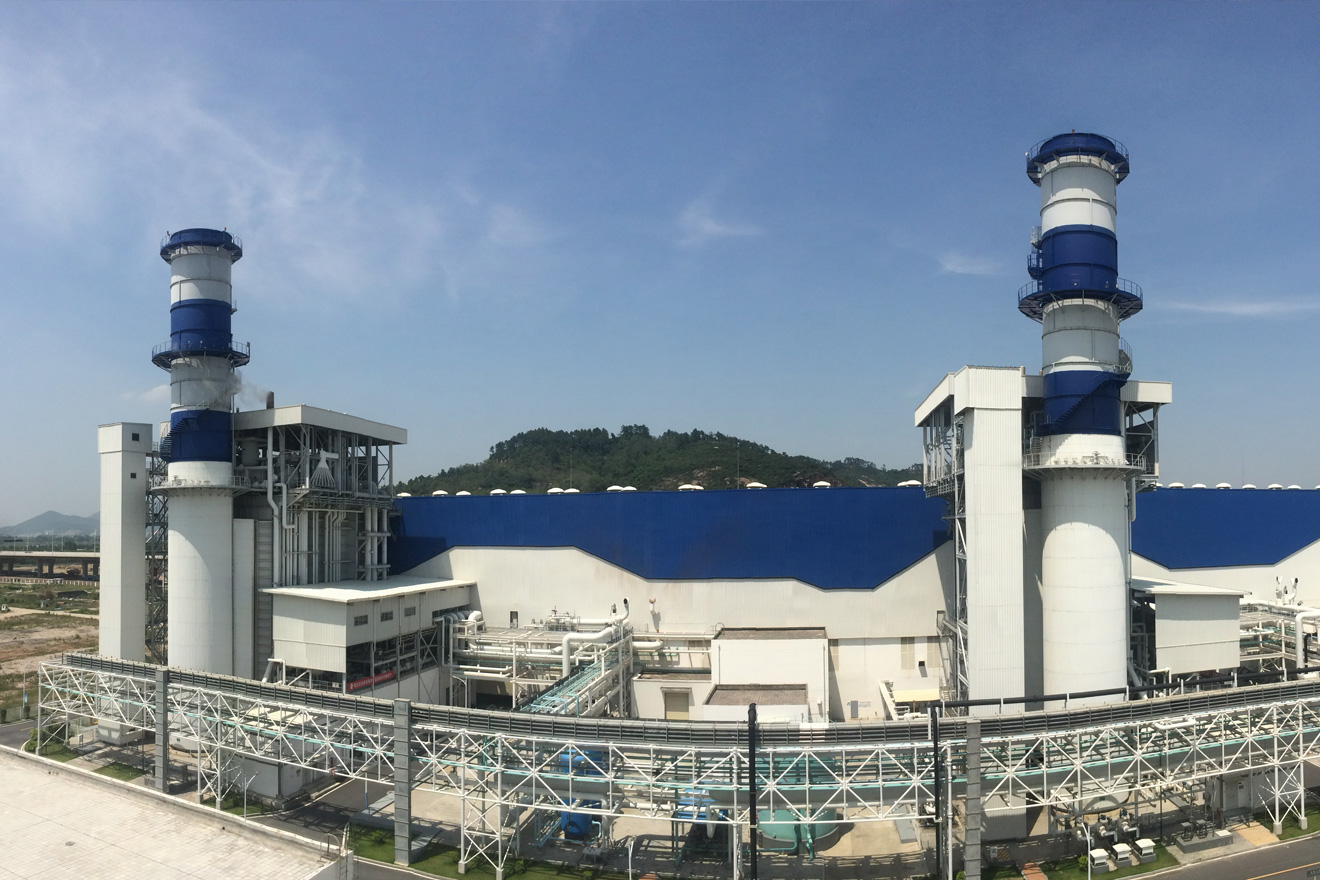
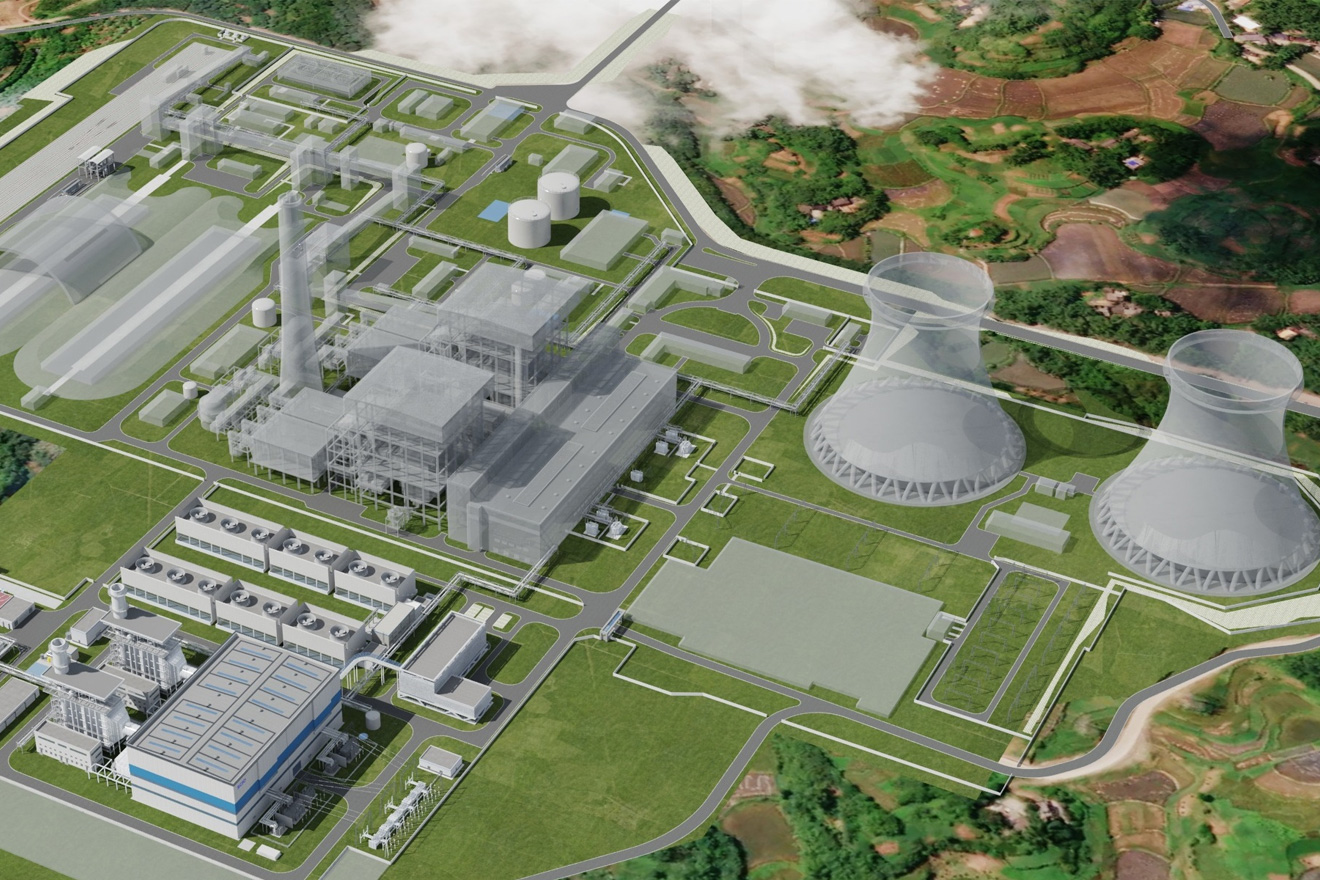
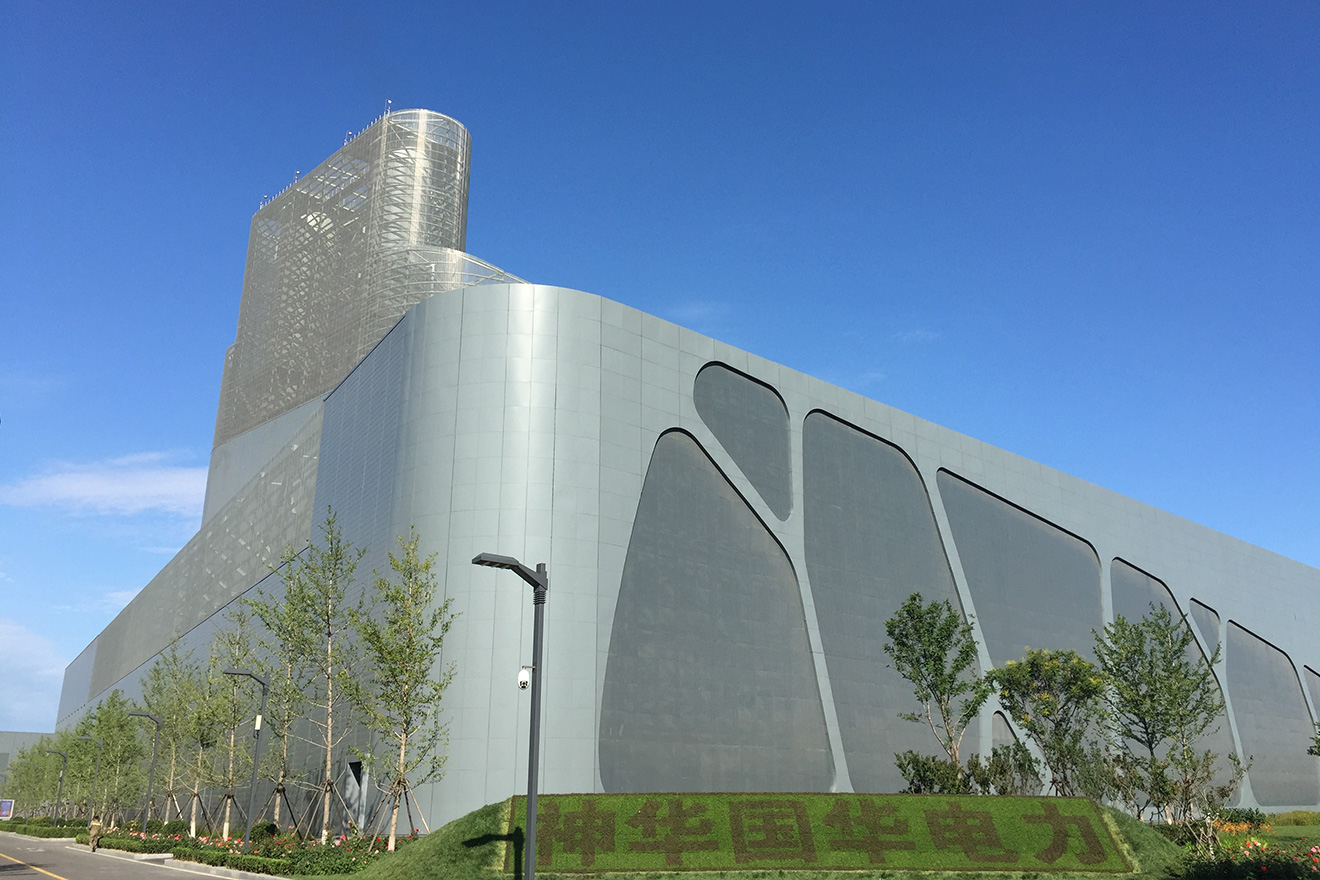
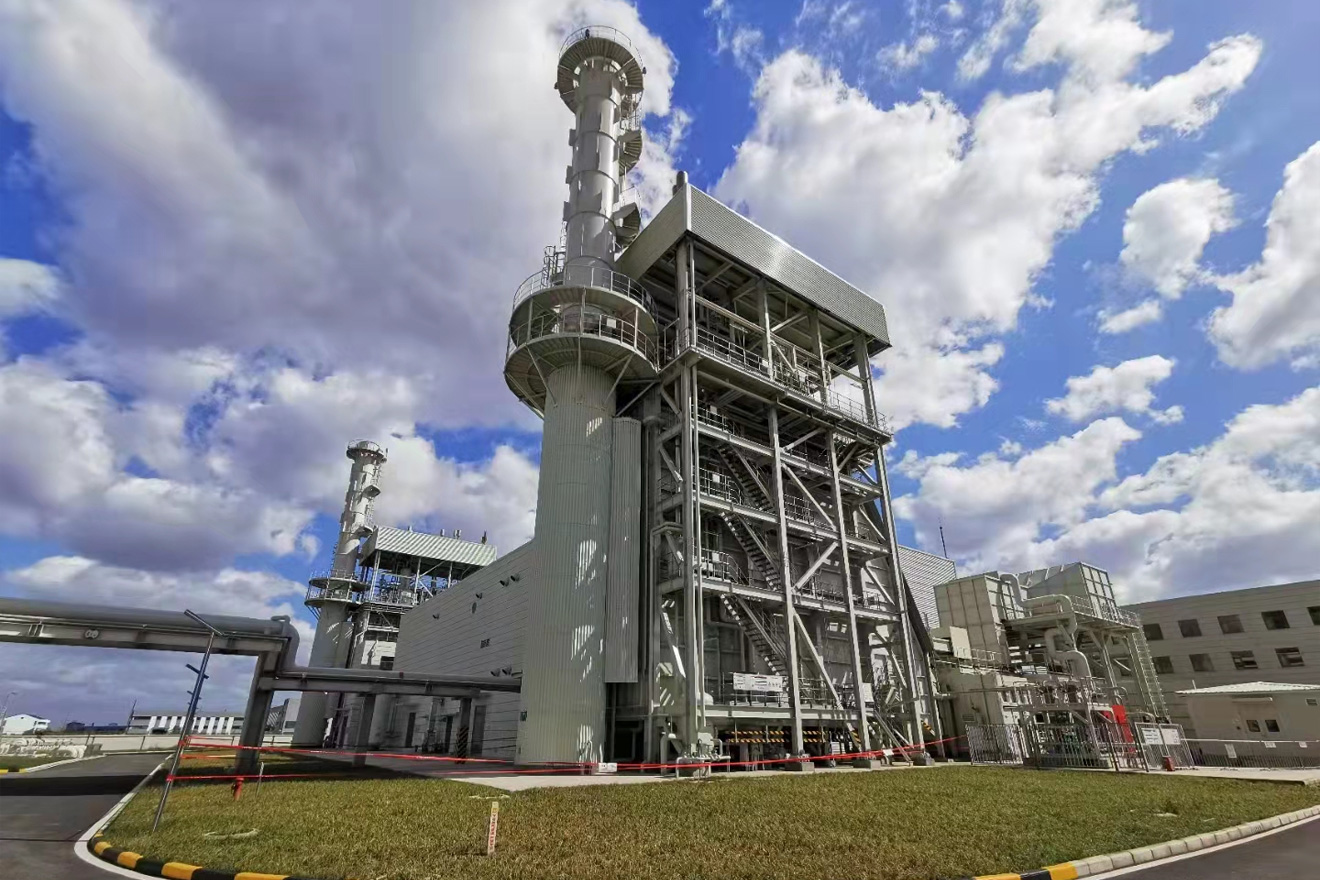
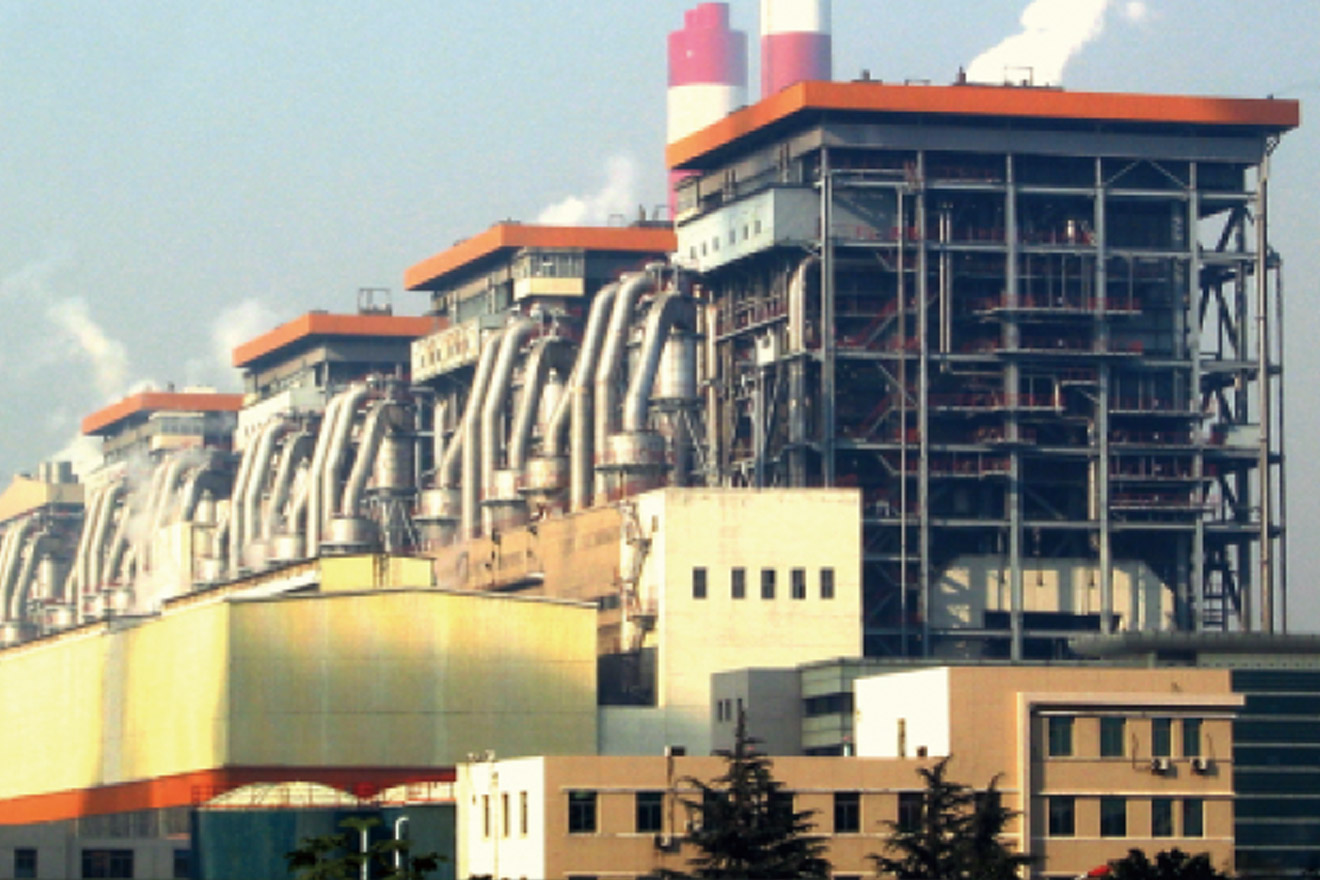
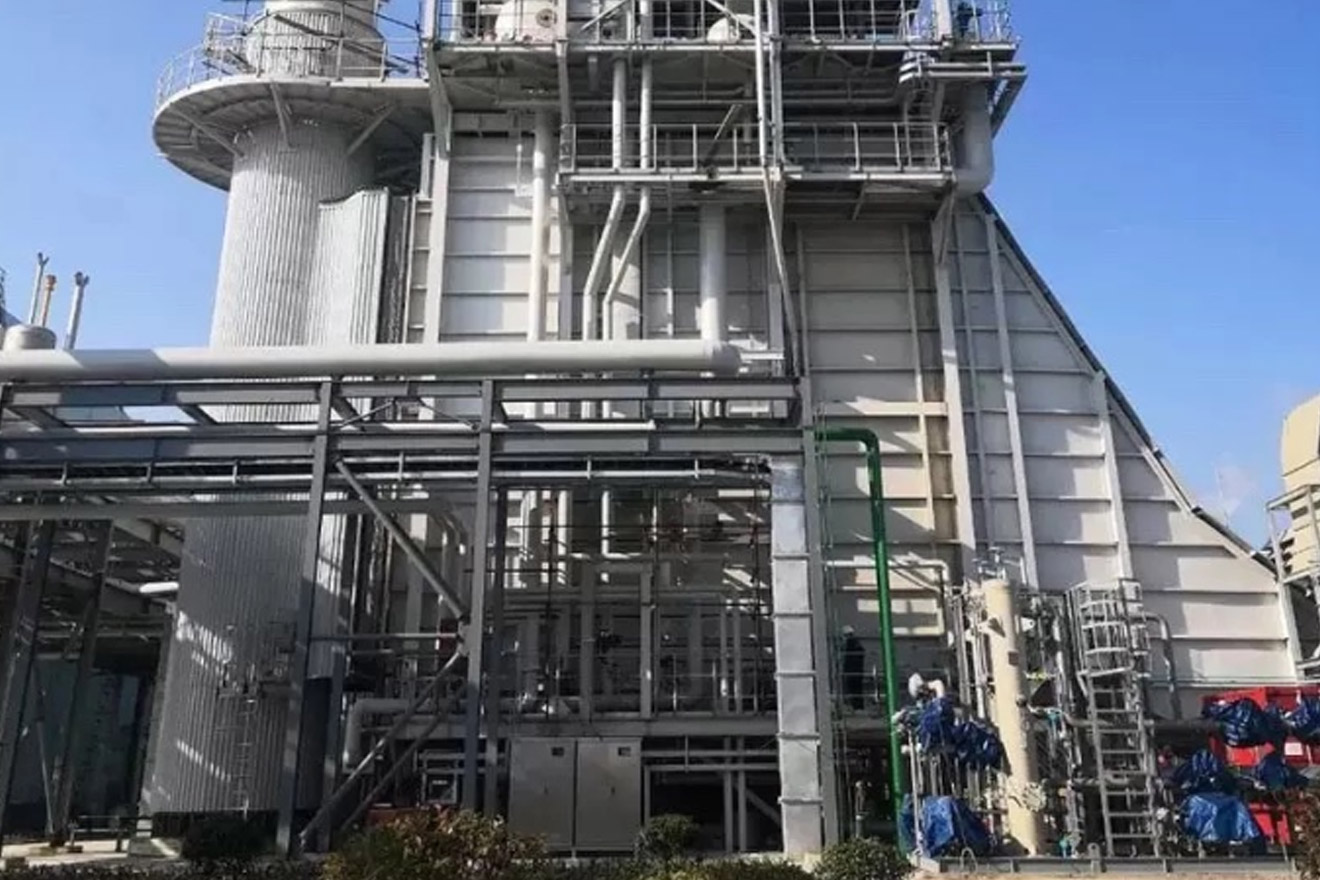
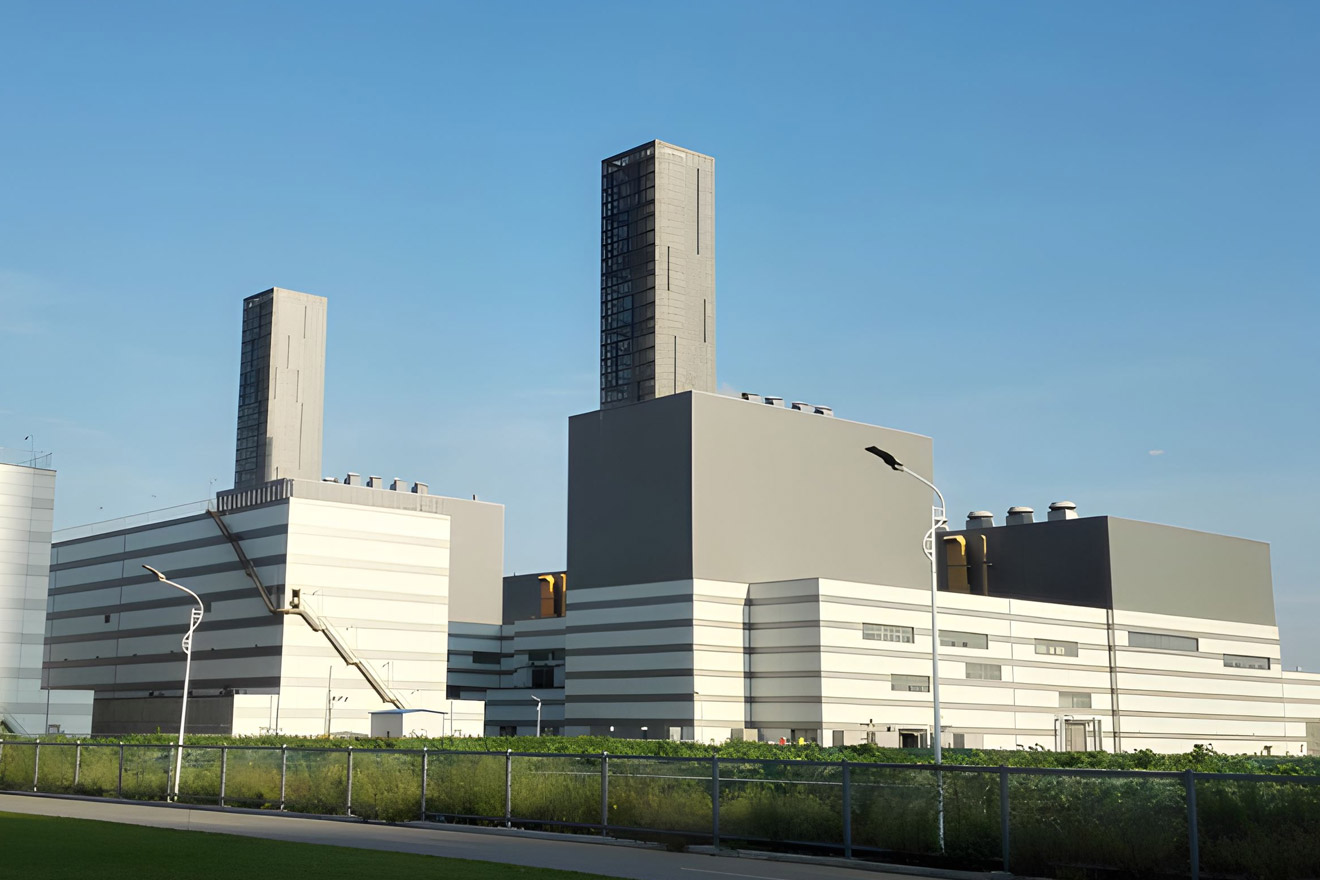
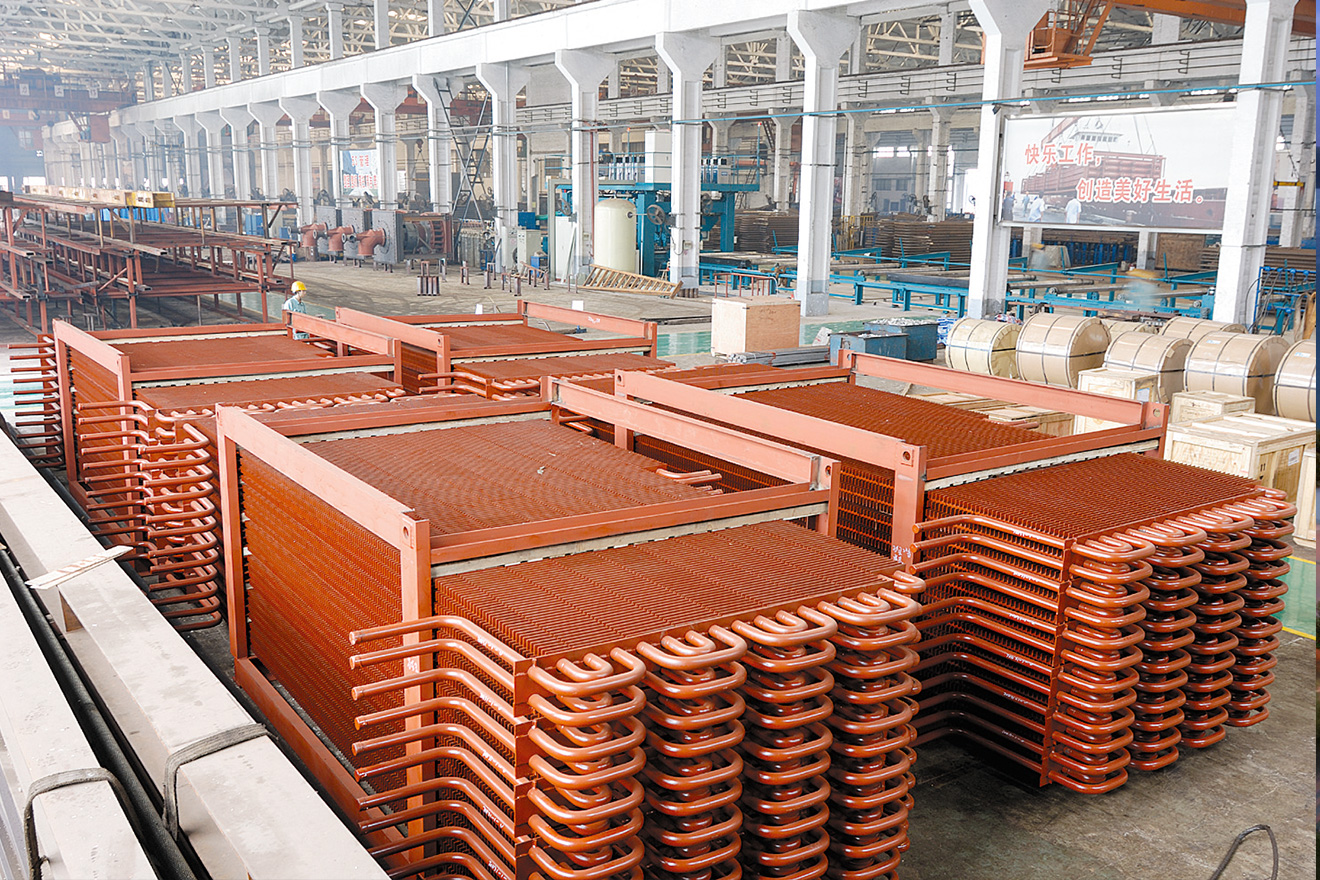
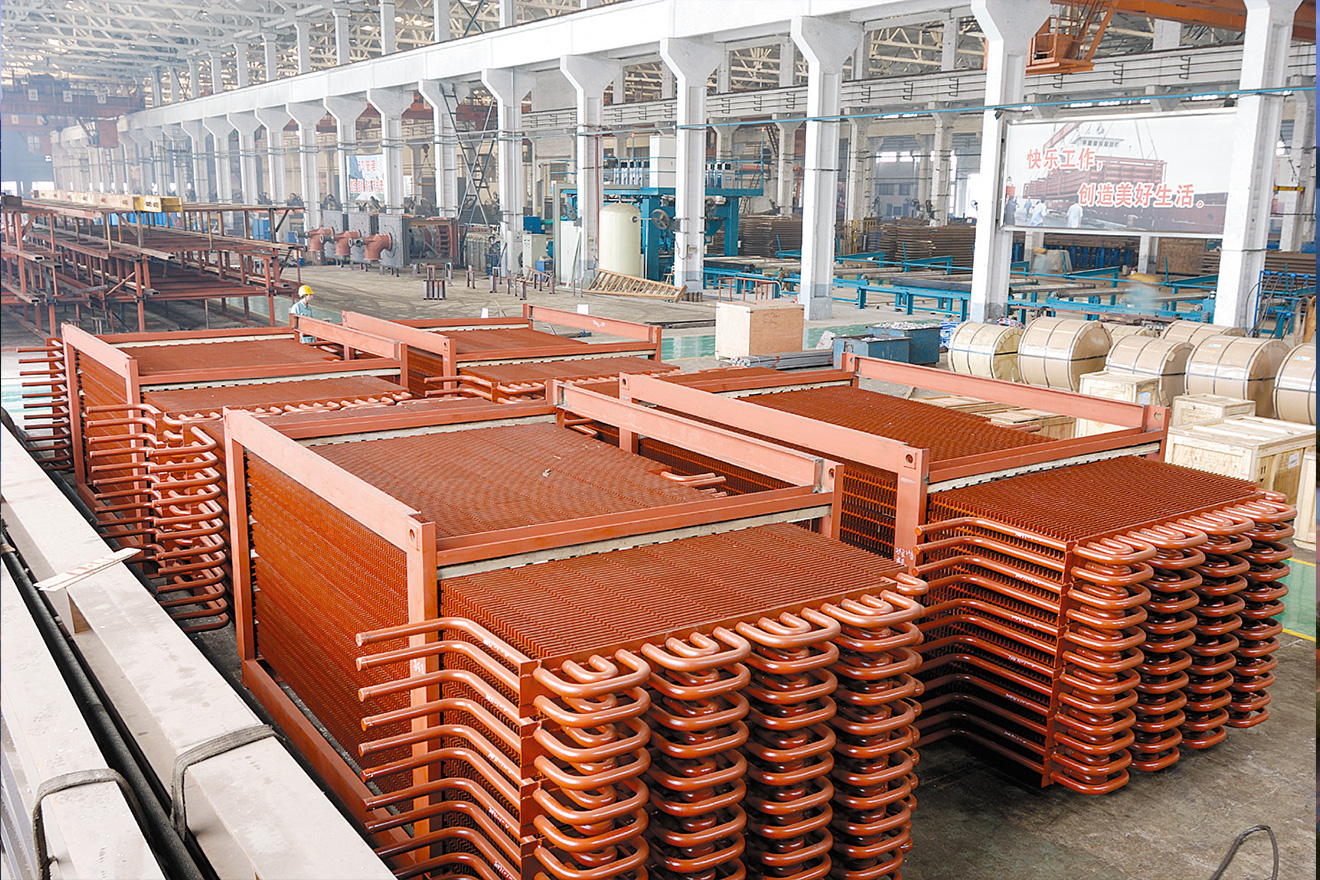
In an era of increasing energy demand and stringent environmental regulations, the ability to extract more value from existing power generation assets is not just an advantage; it's a strategic imperative. This is where the specialized Service - Power Uprating comes into play. Far more than a simple repair or maintenance task, power uprating is a highly engineered service designed to increase the output capacity and efficiency of core equipment like gas and steam turbines and generators. Instead of undertaking the massive capital expense and time commitment of building new capacity, plant operators can turn to sophisticated upgrade solutions to push their existing assets beyond their original design limits. This process involves a deep dive into the thermodynamic and mechanical principles of the equipment, applying advanced materials, aerodynamics, and control technologies to achieve significant performance gains. This comprehensive guide will explore the multifaceted world of power uprating, delving into specific methods for different technologies, from gas turbine power uprating and steam turbine power uprate methods to a dedicated generator uprating service. We will examine how these services fit into a holistic power plant performance upgrade strategy and the critical role of a turbine inlet temperature increase in unlocking new levels of efficiency.
Gas turbines are the workhorses of the modern power grid, prized for their flexibility and rapid start-up capabilities. However, as technology advances, older models can often be upgraded to deliver significantly more power and higher efficiency. Gas turbine power uprating is a systematic process that involves a thorough evaluation of the existing unit and the implementation of targeted engineering solutions. The primary goal is to increase the mass flow through the turbine and/or raise the firing temperature, both of which directly result in higher output. This is not a one-size-fits-all solution; it requires a deep understanding of the specific turbine model, its operational history, and the plant's commercial objectives. By leveraging advanced component aerodynamics, improved cooling technologies, and enhanced materials, a successful uprate can deliver a capacity increase of anywhere from a few percent to over twenty percent, transforming the economic profile of the plant without the need for a new build. This makes power uprating an incredibly attractive option for operators looking to boost revenue and competitiveness in a dynamic market.
The motivations for pursuing a gas turbine uprate are compelling and multi-faceted.
The core of a gas turbine uprate lies in replacing or modifying key components.
Pushing performance, especially temperature, requires protecting components from the extreme environment.
A thorough economic analysis is essential before committing to an uprate project.
| Factor | Considerations |
| Capital Expenditure (CAPEX) | The total cost of the upgrade kit, engineering, labor, and downtime. |
| Operational Savings | Value of fuel savings from improved heat rate and reduced maintenance costs. |
| Increased Revenue | Projected additional earnings from the increased power output. |
| Payback Period | The time it takes for the cumulative benefits to equal the initial investment. |
Steam turbines, the backbone of many thermal and nuclear power plants, also present significant opportunities for performance enhancement. Steam turbine power uprate methods focus on minimizing thermodynamic losses within the turbine cycle to extract more work from the same amount of steam. Unlike gas turbines, which often focus on increasing temperature and flow, steam turbine uprates are a masterclass in precision engineering, targeting areas like aerodynamic efficiency, leakage reduction, and moisture management.
Plant owners pursue steam turbine uprates for several strategic reasons.
This is often the most impactful area for a steam turbine uprate.
Minimizing steam leakage is a direct path to recovering lost power.
The turbine's control system must be upgraded to manage the new performance capabilities.
| Upgrade Aspect | Benefit |
| Digital Control System | Provides more precise and responsive control over steam flow, improving efficiency and safety. |
| Digital Control System | Provides more precise and responsive control over steam flow, improving efficiency and safety. |
| Advanced Sensors | Allows for better monitoring of vibration, temperature, and pressure, enabling predictive maintenance. |
| Optimized Start-up Sequences | Reduces thermal stress on components during start-up, extending equipment life. |
When a turbine's mechanical power output is increased, the electrical generator at the end of the train must also be capable of handling the increased load. A dedicated generator uprating service is a critical component of any comprehensive power uprate project. This service focuses on enhancing the generator's capacity to produce and handle more electrical current without overheating or compromising its structural integrity. The primary challenges in generator uprating are managing the increased heat losses (I²R losses) in the stator and rotor windings and ensuring the cooling system can dissipate this extra heat effectively. A successful uprate might involve redesigning the winding system with higher-capacity conductors, upgrading the insulation system to withstand higher operating temperatures, and enhancing the cooling system—whether it's air, hydrogen, or water-cooled. Neglecting the generator during a turbine uprate is a critical mistake that can lead to premature failures, reduced reliability, and an inability to realize the full benefits of the turbine upgrade. A holistic approach ensures the entire power train is optimized for higher performance.
A generator uprate is typically required in specific scenarios.
The uprate process targets the components that limit the generator's output.
Heat management and electrical insulation are paramount for generator reliability.
An uprated generator must meet all grid code requirements.
| Requirement | Implications for Uprate |
| Short Circuit Ratio (SCR) | The uprate must not negatively impact the generator's ability to remain stable during grid faults. |
| Fault Ride-Through (FRT) | The upgraded machine must be able to withstand and recover from voltage dips on the grid. |
| Reactive Power Range | The generator's capability to provide or absorb reactive power must be verified after the uprate. |
While focusing on individual components like turbines and generators is effective, the most significant gains are often realized through a holistic power plant performance upgrade. This approach recognizes that a power plant is a complex, interconnected system where a change in one area can have cascading effects throughout the entire operation. A holistic upgrade strategy goes beyond simply uprating a single piece of equipment and instead looks at the entire thermodynamic cycle—from fuel intake to electricity generation and exhaust. This includes evaluating and upgrading auxiliary systems like feedwater pumps, condensers, air heaters, and control logic to ensure they can support and complement the performance of the uprated main equipment. For example, uprating a steam turbine is only effective if the boiler can produce the required additional steam and the condenser can handle the increased exhaust flow. By conducting a comprehensive feasibility study that models the entire plant, operators can identify the most cost-effective combination of upgrades, ensuring a balanced and optimized system that delivers maximum return on investment and avoids creating new bottlenecks.
A system-wide perspective is crucial for avoiding unintended consequences.
Supporting systems must be scaled up to match the main equipment.
This study is the foundation of a successful upgrade project.
Strategic planning can minimize the financial impact of an outage.
| Strategy | Application |
| Phased Outages | Breaking the project into smaller phases that can be completed during shorter, planned maintenance outages. |
| Parallel Workstreams | Executing off-site fabrication and component manufacturing in parallel with on-site preparation work. |
| Advanced Planning | Meticulous pre-outage planning to ensure all parts, tools, and personnel are ready, minimizing the time the unit is offline. |
At the heart of nearly every major gas turbine performance gain lies one fundamental principle: the turbine inlet temperature increase. According to the laws of thermodynamics, the higher the temperature of the gases entering the turbine section, the greater the efficiency and the higher the power output for a given size of engine. Pushing this temperature, however, is an immense engineering challenge, as it pushes the turbine's hot-section components—particularly the first-stage blades and vanes—to the absolute limits of material science. These components operate in an environment far hotter than the melting point of their constituent superalloys, surviving only through a combination of sophisticated internal cooling and external protective coatings. The pursuit of higher temperatures has driven innovation in materials, leading to the development of directionally-solidified and single-crystal blades that have superior high-temperature strength. It has also spurred advancements in cooling technology, with incredibly complex internal cooling passages and advanced thermal barrier coatings becoming standard. Every incremental increase in turbine inlet temperature represents a monumental leap in engineering, translating directly into more powerful, more efficient, and more profitable power generation.
The relationship is defined by the Brayton cycle, the thermodynamic basis for gas turbine operation.
Materials science is the key to withstanding extreme heat.
Internal cooling is what allows the blade material to survive.
Pushing temperature is a trade-off between performance and durability.
| Factor |
| Creep and Rupture Life |
| Higher temperatures accelerate creep, the slow deformation of the blade under stress, reducing its operational life. |
| Oxidation and Corrosion |
| Hot gases are more aggressive at higher temperatures, increasing the rate of oxidation and hot corrosion, which can degrade the blade. |
| Thermal-Mechanical Fatigue |
| Temperature cycling during start-ups and shutdowns induces stress, which is more severe at higher operating temperatures. |
Service - Power Uprating represents a powerful strategic tool for power plant operators seeking to enhance the value of their assets. It offers a pathway to increased revenue, improved efficiency, and extended equipment life, often at a fraction of the cost and time required for new construction. The decision to pursue an uprate, however, is not one to be taken lightly. It requires a thorough technical and economic evaluation, a deep understanding of the underlying technologies, and a partnership with a skilled engineering service provider. Whether the focus is on a gas turbine power uprating, exploring steam turbine power uprate methods, securing a generator uprating service, or implementing a full power plant performance upgrade, the potential rewards are significant. By leveraging advancements in materials, aerodynamics, and control systems, power uprating allows us to do more with what we already have, pushing the boundaries of performance and securing a more productive and profitable future for existing power generation infrastructure.
Power uprating is a proven, cost-effective strategy to boost output and efficiency. It revitalizes aging assets, improves environmental performance, and enhances a plant's competitive position. The key is a holistic, system-wide approach that ensures all components work together harmoniously at their new, higher performance levels.
If you are considering an uprate, the first step is to conduct a comprehensive feasibility study. Engage with an experienced engineering partner to analyze your current equipment, model potential upgrade scenarios, and develop a detailed business case. With careful planning and expert execution, power uprating can unlock the hidden potential within your plant.
The timeline for a power uprate project can vary significantly based on the scope and complexity. A comprehensive feasibility and engineering study phase can take anywhere from 6 to 18 months. Following the decision to proceed, the manufacturing of new components can take another 12 to 24 months. The most critical phase is the installation, which requires a planned outage. This outage can range from a few weeks for a simpler package to several months for a complex, full-plant power plant performance upgrade. Effective project management, including phased implementation and parallel workstreams, is crucial for minimizing this downtime and its associated financial impact.
While highly beneficial, power uprating projects carry inherent risks. The primary technical risk is unforeseen integration issues, where the uprated component does not perform as expected within the larger system, leading to vibrations, overheating, or other operational problems. There is also a financial risk if the project's cost overruns its budget or if the anticipated performance gains are not fully realized, negatively impacting the return on investment. Finally, there is an operational risk during the outage, where delays can have significant financial consequences. These risks can be mitigated through thorough upfront engineering, robust project management, and partnering with an experienced service provider with a proven track record.
Not all equipment is a suitable candidate for uprating. The feasibility of an uprate depends on the specific model, its age, its original design margins, and the availability of modern upgrade technology. For some very old or obscure models, the engineering effort and custom manufacturing required may be prohibitively expensive. However, for most major gas and steam turbine families, extensive upgrade packages have been developed by specialized service providers. A thorough engineering assessment is the only way to determine the uprate potential of a specific unit, including the maximum achievable increase and the associated costs.
Power uprating can have both positive and negative effects on maintenance. On the positive side, an uprate often involves replacing old, worn-out components with new, modern ones that may have longer inspection intervals and improved reliability. On the other hand, operating the unit at a higher output and temperature generally increases the stress on all components. This can lead to more frequent inspections of critical parts and potentially a shorter overall lifespan for some components compared to operating at the original rating. The maintenance plan must be revised to reflect the new operating conditions, and operators should budget for potentially increased maintenance costs to manage the higher-performance machine effectively.

No.1267, Chenggong Road, Jiaxing City, Zhejiang Province, China

sales1@mhdb.com.cn / sales2@mhdb.com.cn

+86-573-82625131 / +86-573-82625132
+86-573-82625133

+86-573–82625130
© MHl Power Dongfang Boiler Co., Ltd. (MHDB) All Rights Reserved.
