
 En
En  中文简体
中文简体Home / News / Industry News / How Does a Modern Waste Incineration Boiler Work?
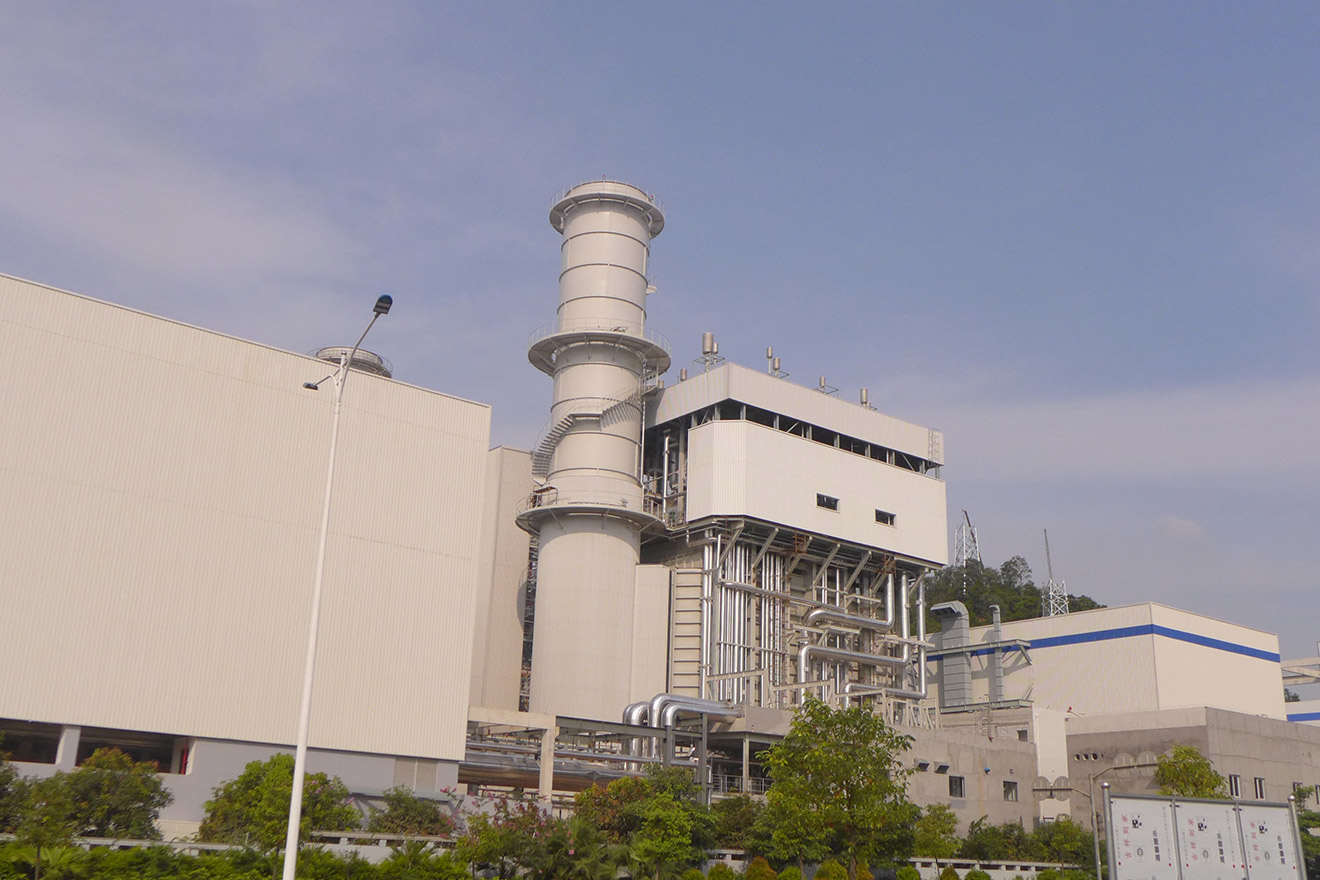
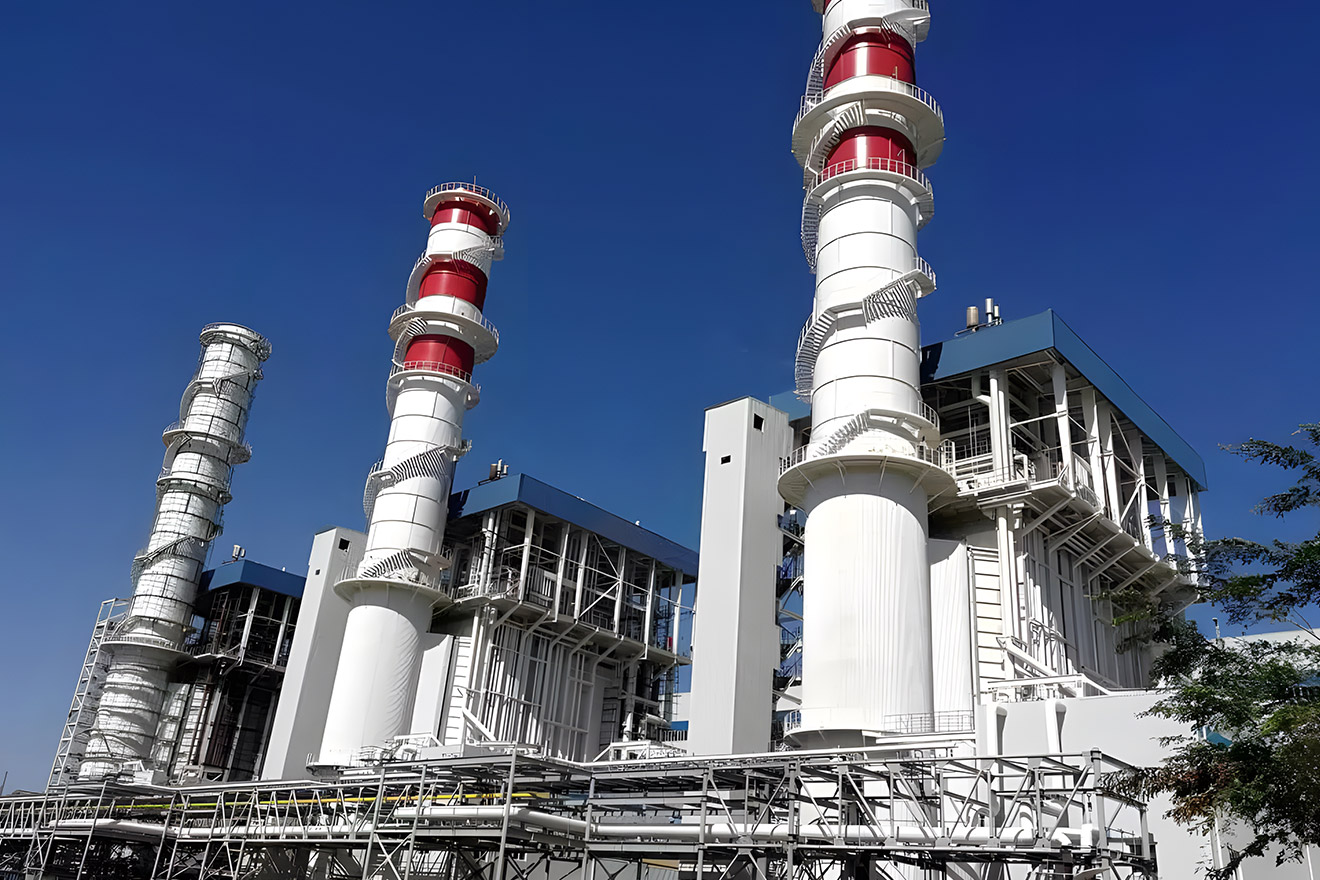
HRSG
High-Efficiency Heat Recovery Steam Generator, Natural Gas and Oil.
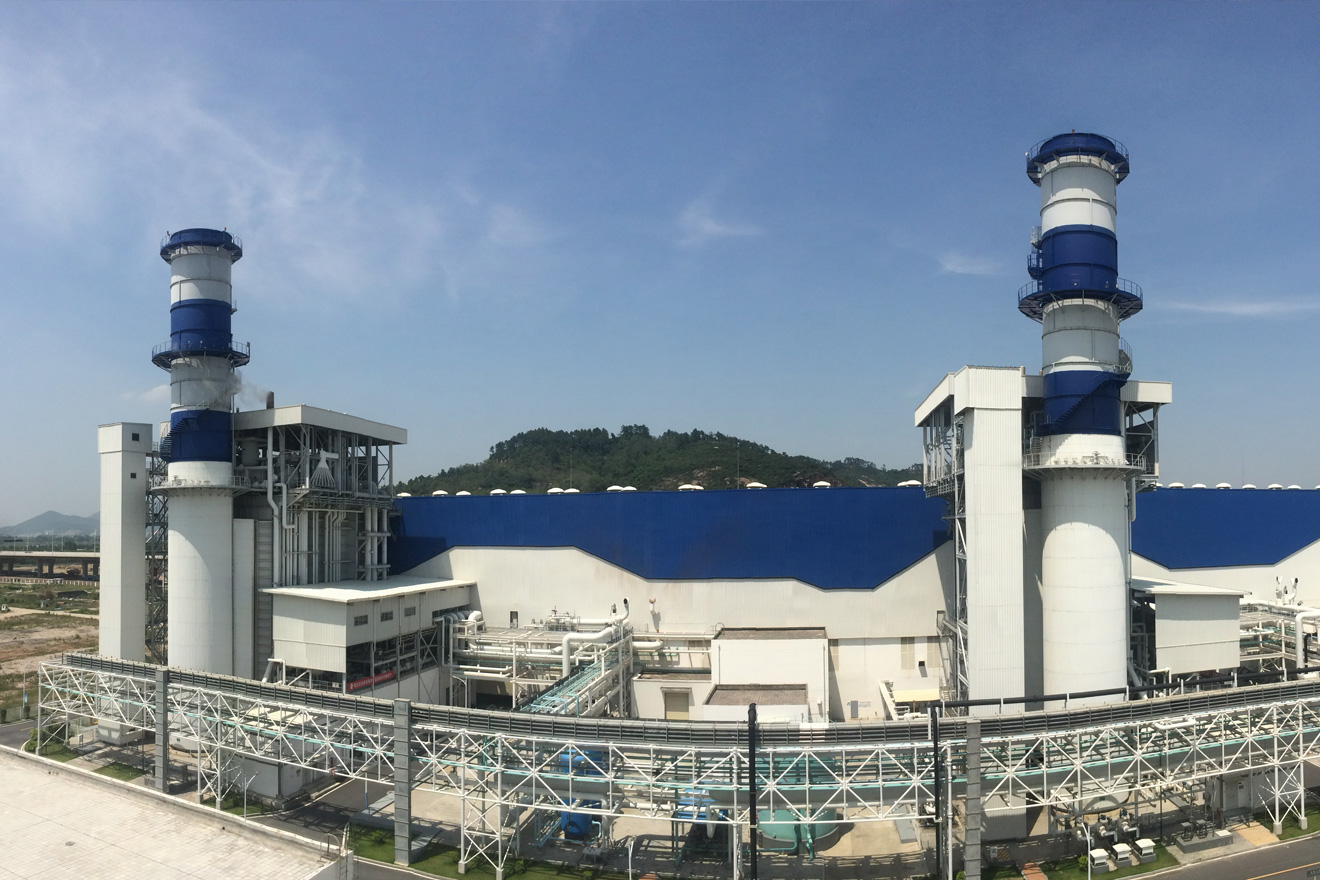
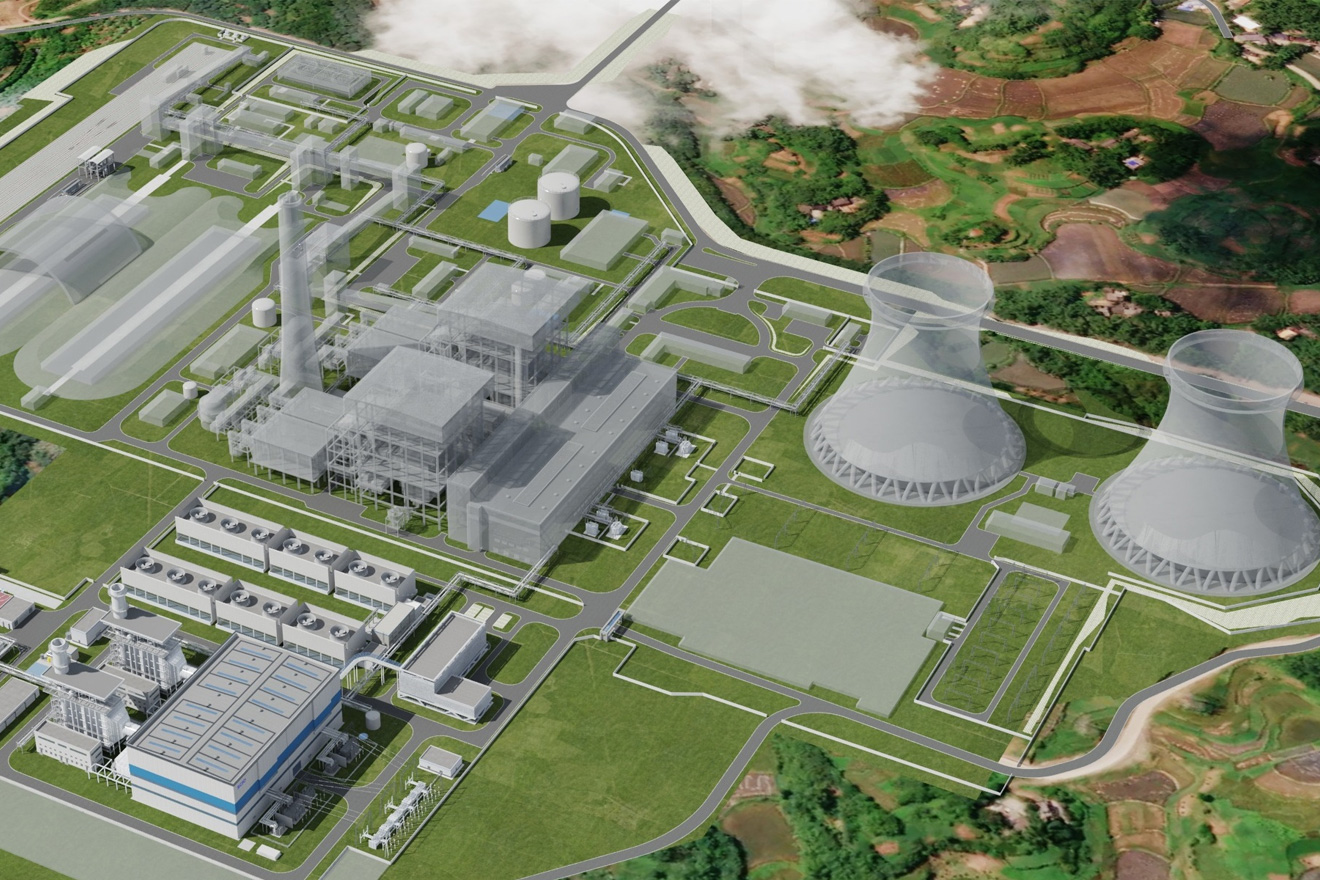
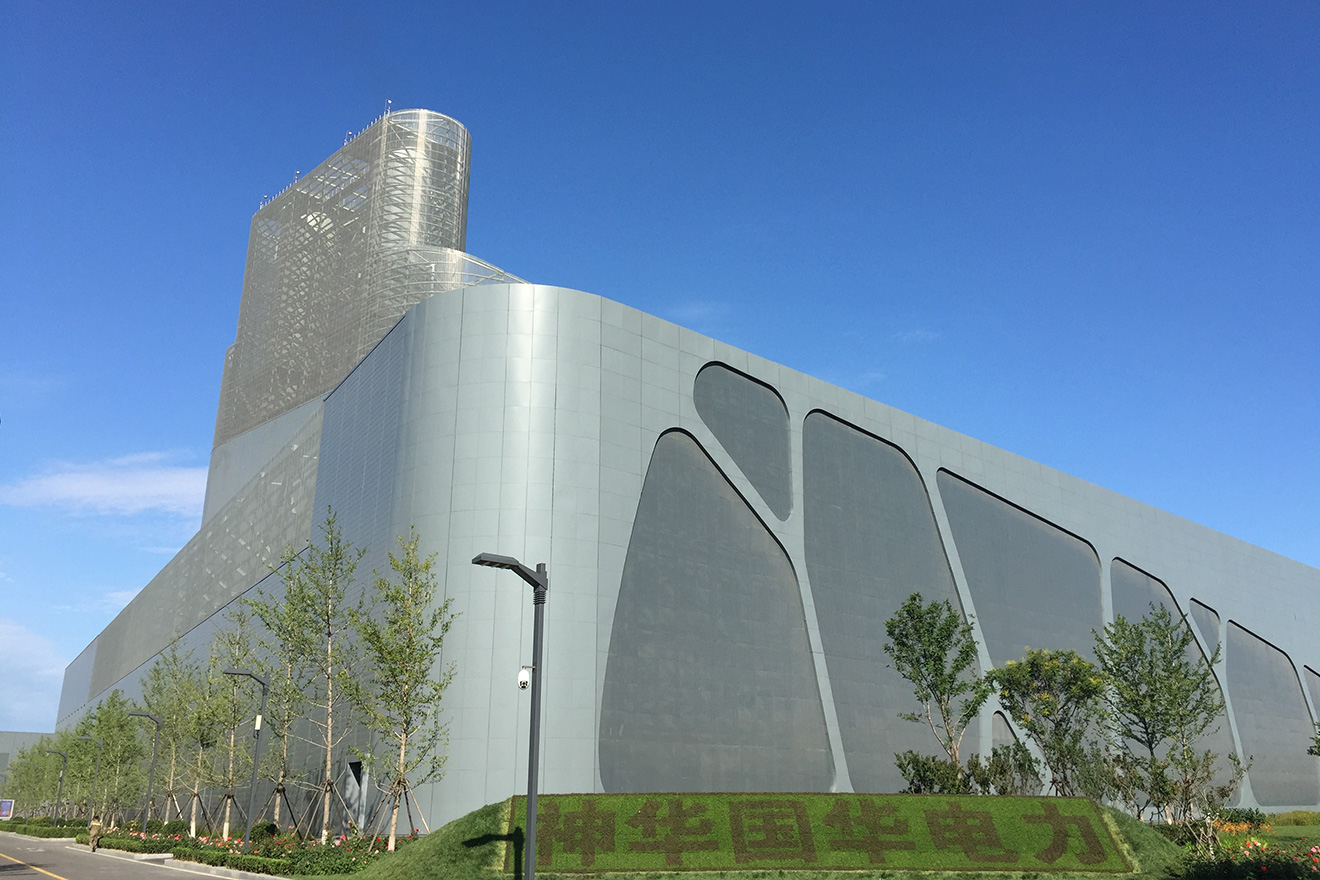
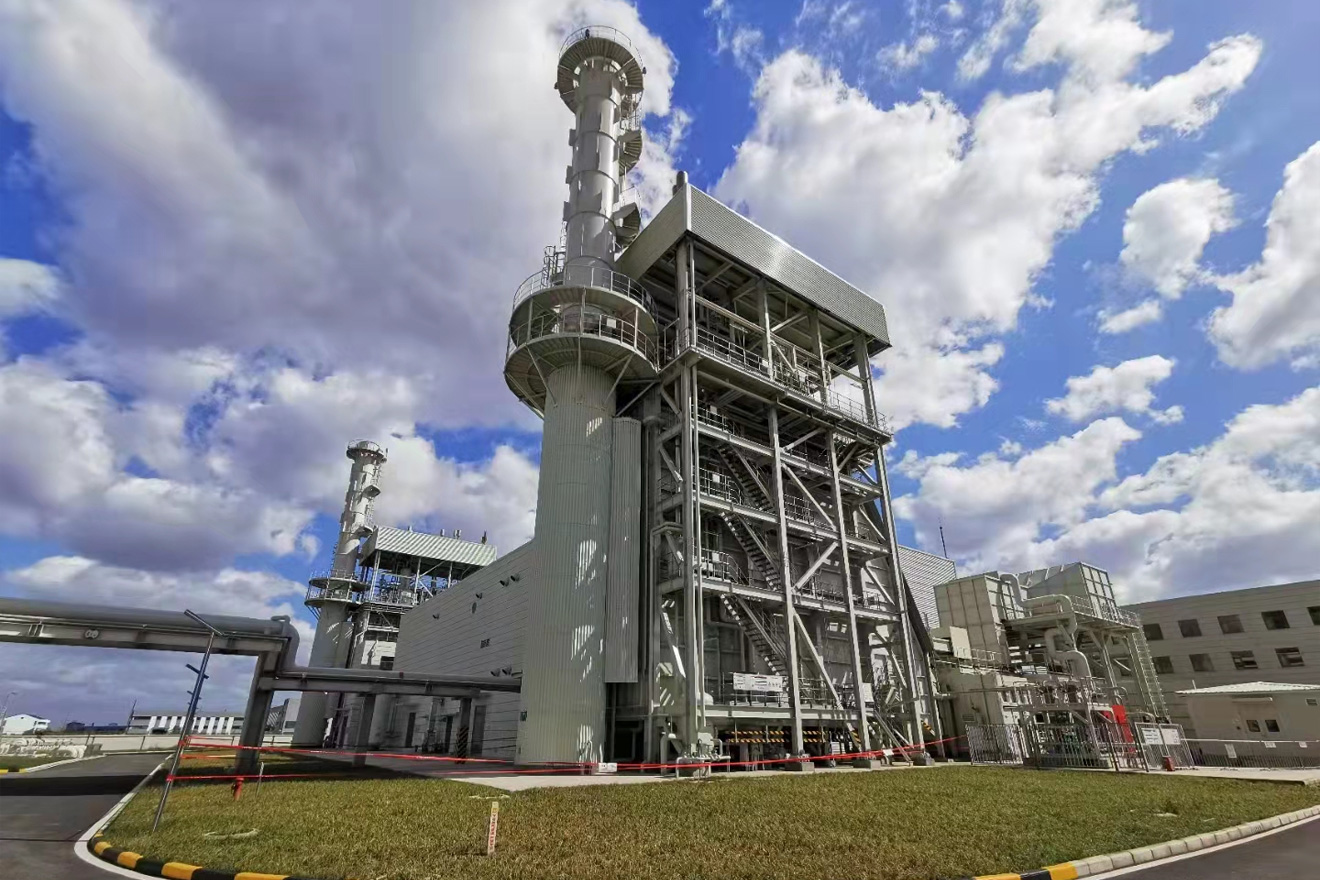

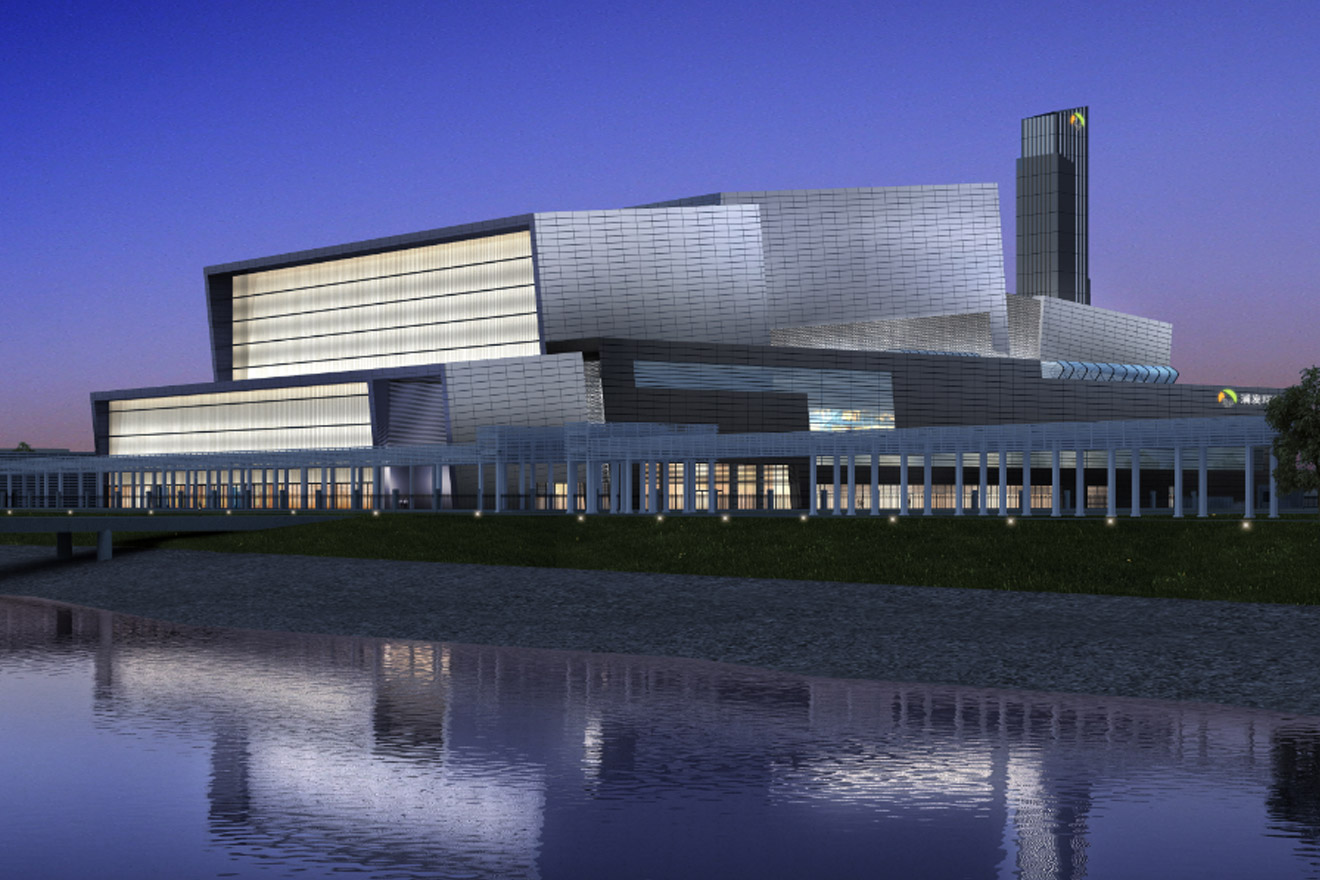
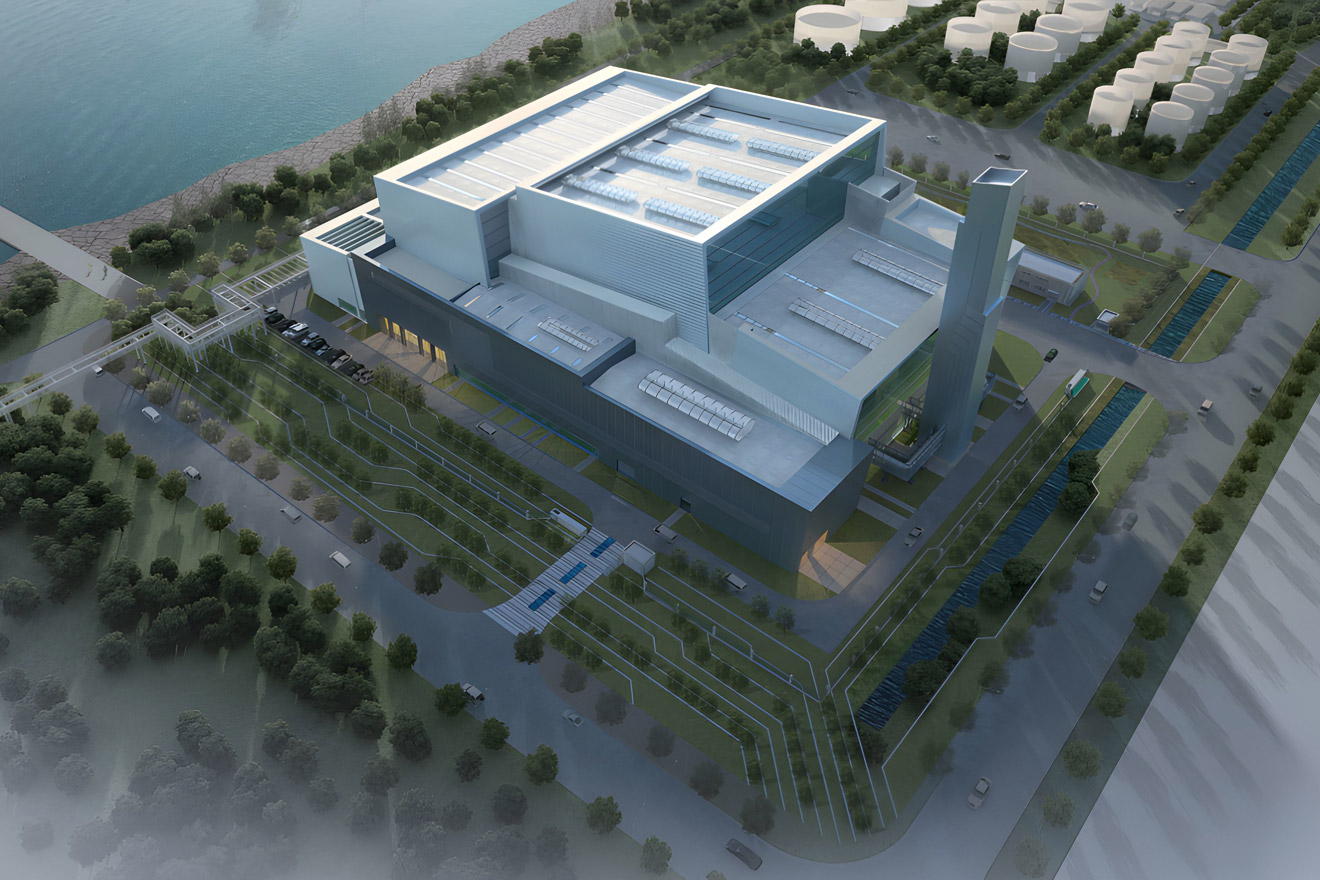
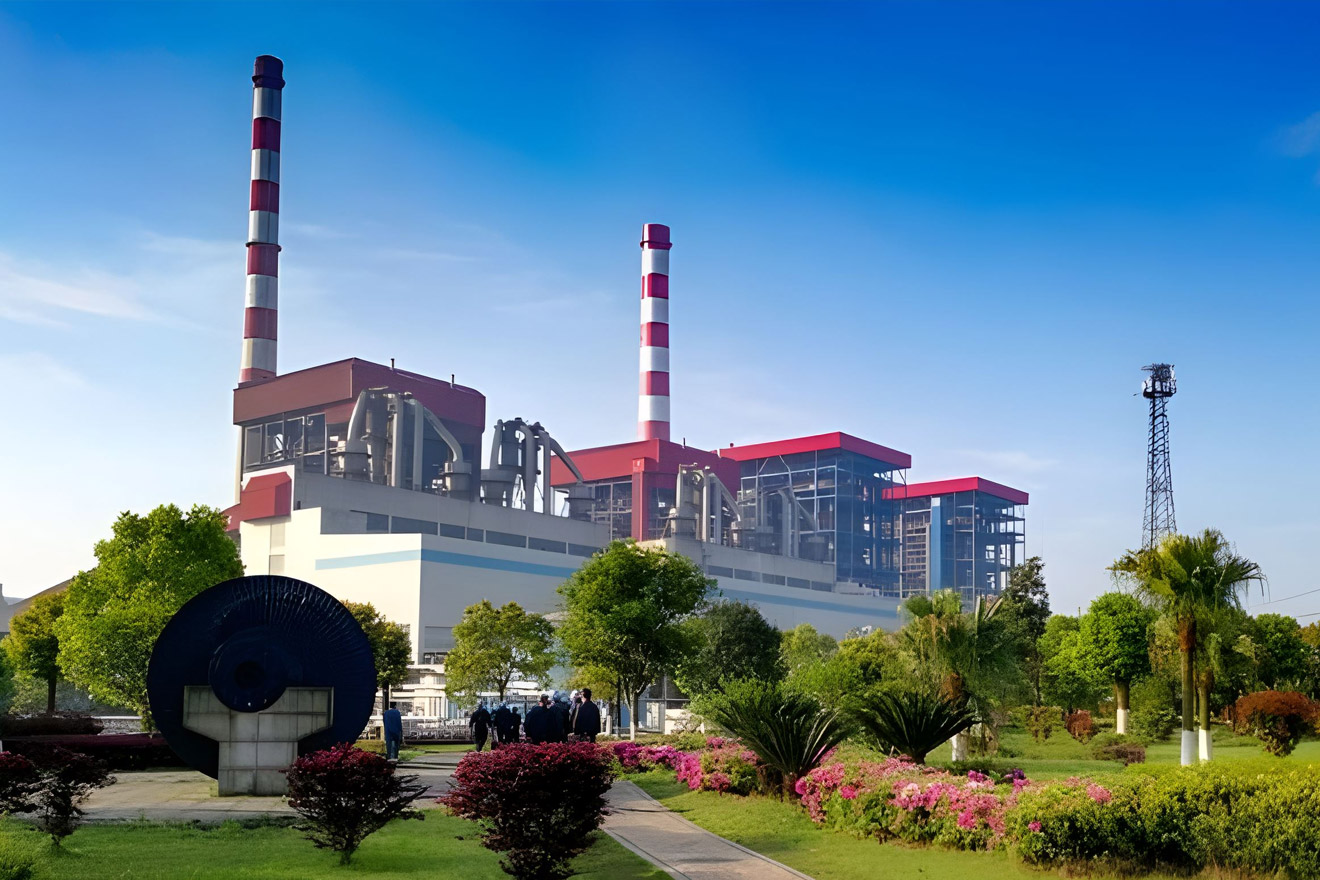
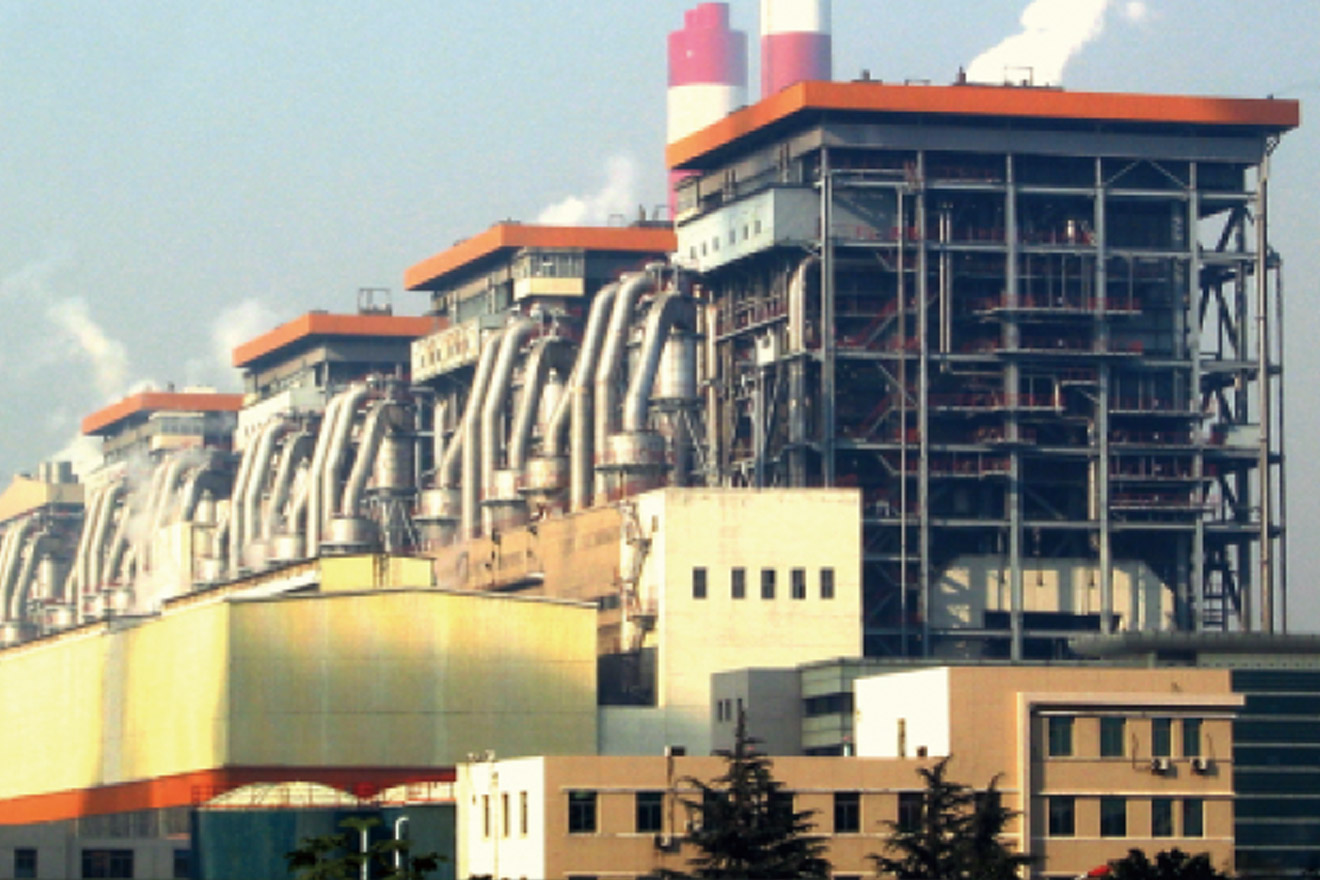
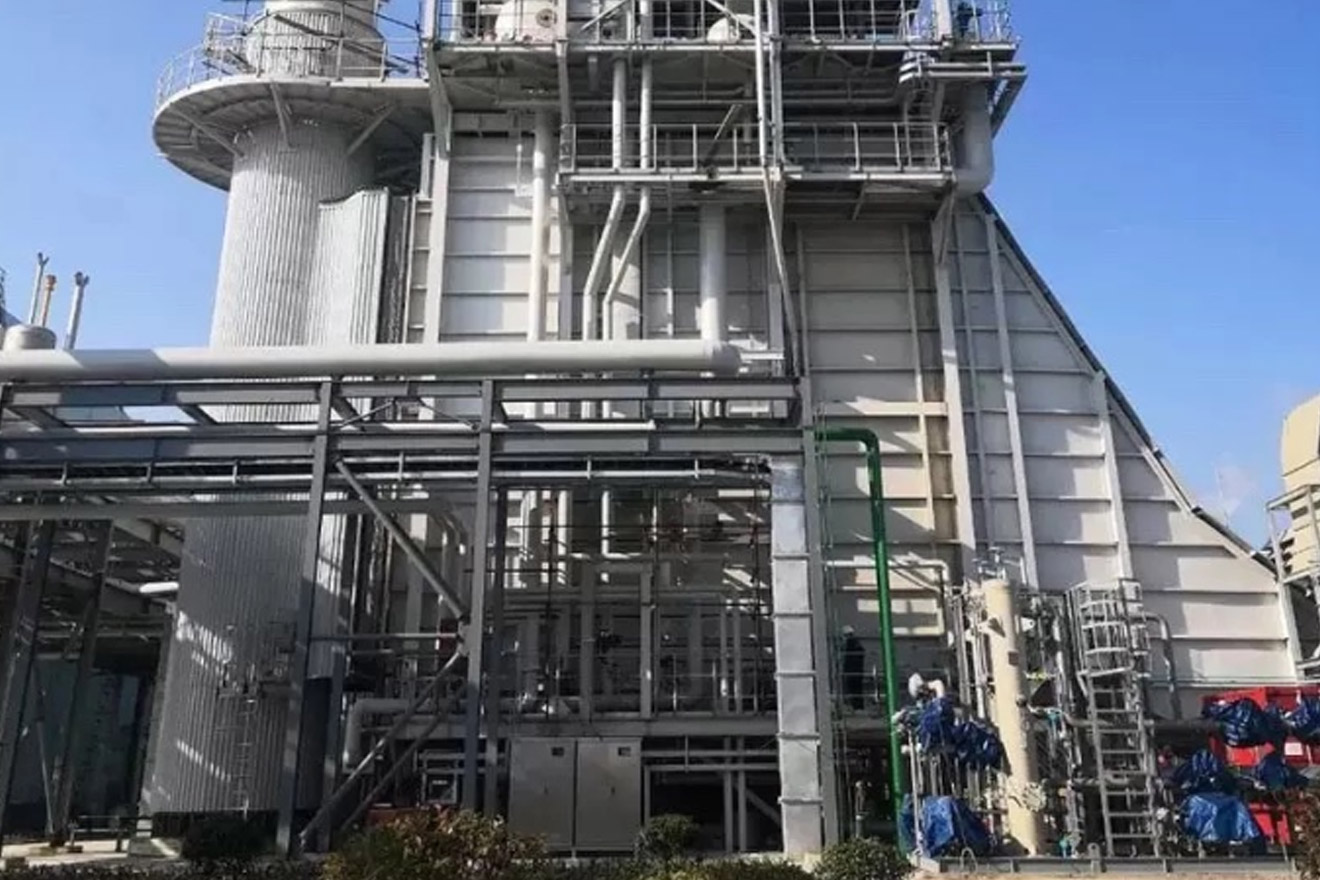
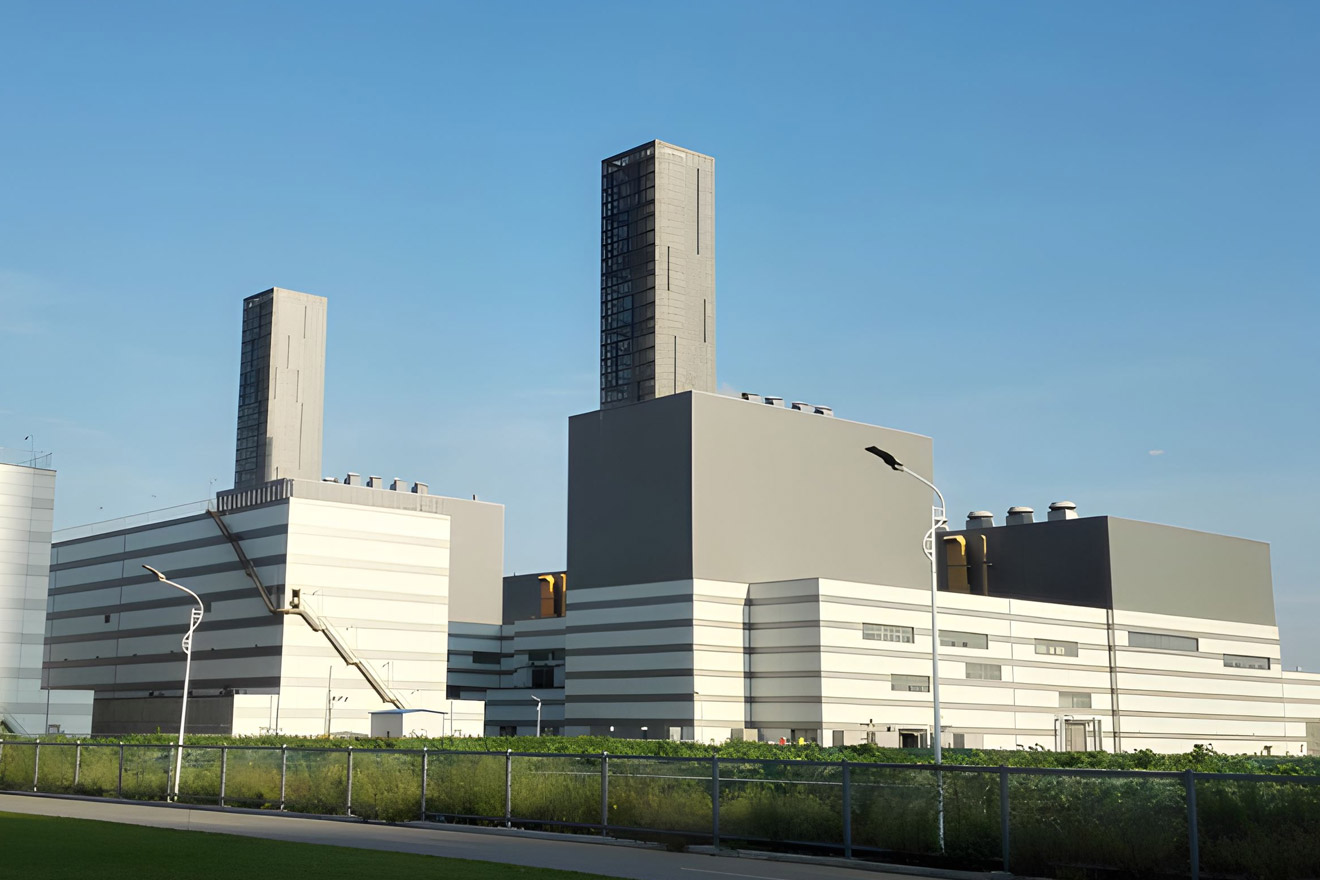
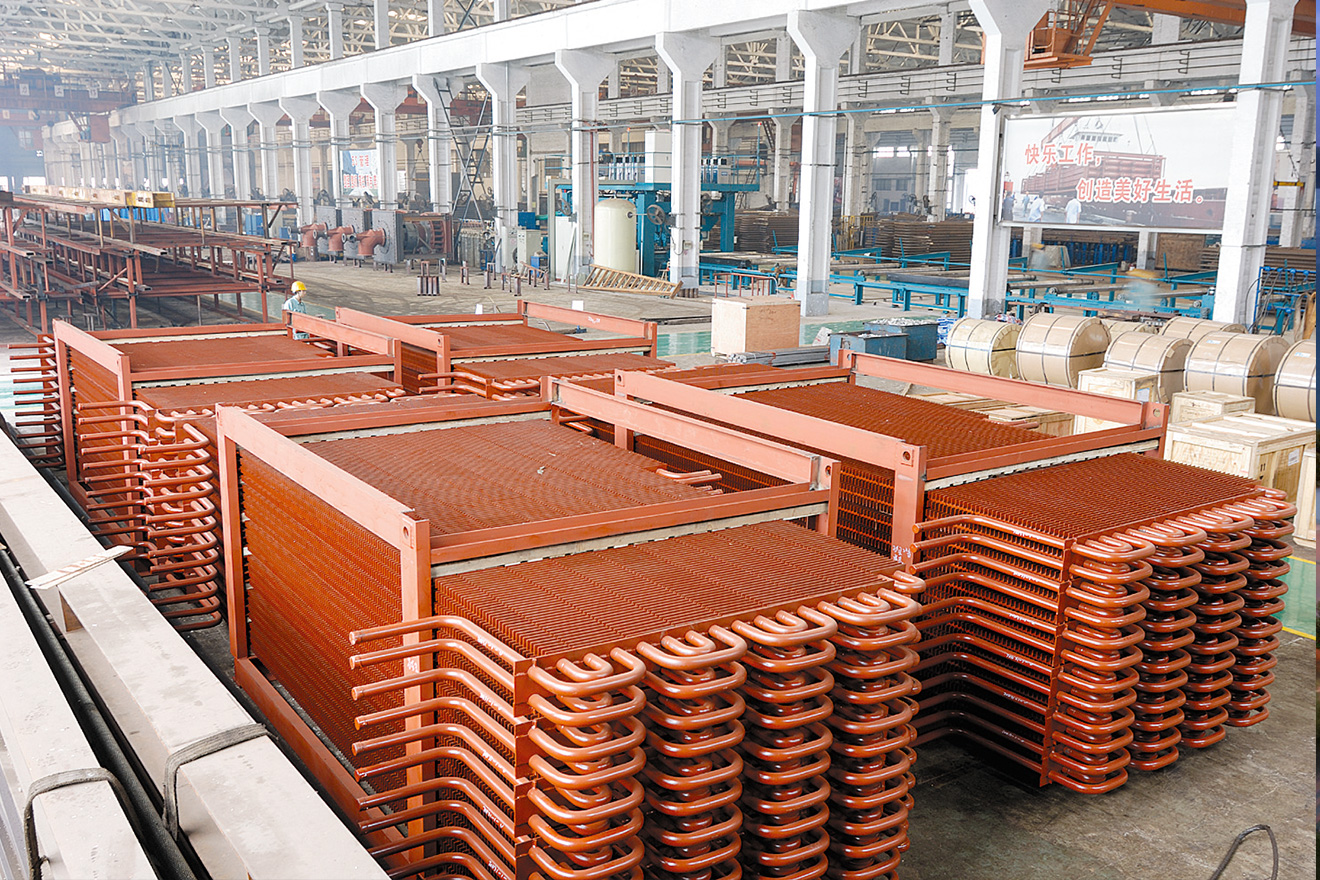
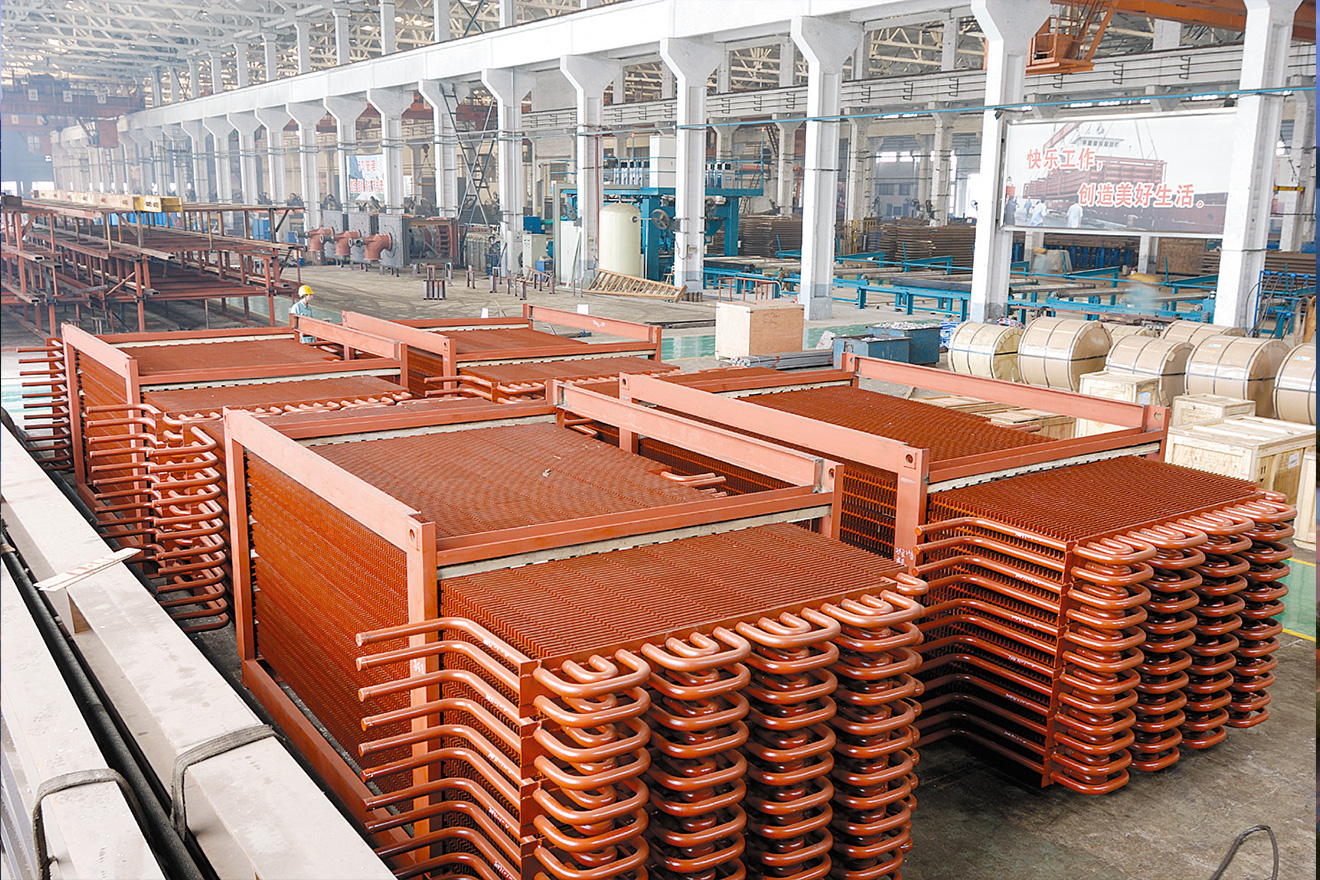
Modern society generates vast quantities of municipal solid waste (MSW), and its management is a critical environmental and logistical challenge. Landfilling, the traditional method, occupies valuable land and produces methane, a potent greenhouse gas. The waste-to-energy (EfW) process presents a sophisticated alternative, converting non-recyclable waste into a valuable resource: electricity and heat. At the very heart of this process lies the Waste Incineration Boiler, a complex and robust piece of thermal engineering that serves as the plant's powerhouse. It is far more than a simple incinerator; it is a highly controlled system designed to safely destroy waste, recover the maximum possible energy, and protect downstream equipment from a highly aggressive combustion environment. The boiler's primary function is to capture the intense heat released from burning waste—typically at temperatures between 850°C and 1200°C to ensure complete combustion and destroy pollutants—and transfer it to water, generating high-pressure, high-temperature steam. This steam then drives turbines to generate electricity, which can power thousands of homes, or provides district heating. The efficiency, reliability, and environmental performance of the entire EfW facility hinge on the optimal design and operation of this central component, making it a masterpiece of practical thermodynamics and material science.
The design of a Waste Incineration Boiler is a deliberate response to the unique challenges posed by its fuel source: heterogeneous, moisture-variable, and chemically complex municipal solid waste. Effective MSW waste to energy boiler design must prioritize complete combustion, maximum heat recovery, and protection against the corrosive flue gases produced. The process begins on a moving grate system within the combustion chamber, which slowly transports and agitates the waste to ensure even burning and complete burnout of the bottom ash. The hot combustion gases, laden with particulate matter and corrosive compounds, then rise into the boiler's radiant section, where intense radiant heat is absorbed by water-cooled membrane walls. The gases then pass through multiple convective passes—banks of tube bundles—where further heat is extracted. This entire heat recovery system is essentially a high-efficiency heat recovery steam generator for incineration, meticulously designed to cool flue gases to the optimal temperature for downstream air pollution control systems while superheating steam to the highest feasible parameters (often over 400°C and 40 bar) to maximize thermodynamic efficiency for power generation. Key to this is creating sufficient gas residence time at high temperature to break down dioxins and furans, and designing gas paths to minimize ash deposition that can insulate tubes and reduce heat transfer.
| Boiler Section | Primary Function | Design Challenge |
| Combustion Chamber & Grate | Ensure stable, complete combustion of variable waste; produce inert bottom ash. | Handling widely varying waste calorific value and moisture content; ensuring even air distribution. |
| Radiant Section (Furnace) | Absorb intense radiant heat; cool flue gases to protect superheater tubes. | Managing extremely high temperatures and radiant heat flux; preventing slagging on walls. |
| Convective Passes (Superheaters, Economizers) | Transfer heat from gas to water/steam via convection; generate superheated steam. | Maximizing heat recovery while minimizing fouling and corrosion from ash and condensable acids. |
| Steam Drum & Circulation System | Separate steam from water; ensure proper natural or forced circulation. | Maintaining consistent steam quality and safe water levels under highly variable thermal load. |
The single most defining challenge in operating a Waste Incineration Boiler is the extremely aggressive nature of the flue gas. Combusting MSW releases chlorine (from plastics like PVC), sulfur, alkalis (sodium, potassium), and heavy metals, which form corrosive compounds like hydrogen chloride (HCl) and alkali chlorides. When these compounds condense on boiler tube surfaces—especially in the lower-temperature regions of superheaters and economizers—they create a sticky layer that promotes high-temperature chlorine corrosion, severely attacking the protective oxide layer on standard steel tubes. This makes the selection of corrosion-resistant materials for waste incineration boilers a critical capital and operational decision. To combat this, key areas susceptible to corrosion, such as superheater tubes in the first convective pass, are often constructed from high-nickel alloys like Alloy 625 (Inconel) or austenitic stainless steels (e.g., 310S). Additionally, advanced coatings and weld overlays are applied to protect tube surfaces. The design itself is also a weapon against corrosion: maintaining precise metal wall temperatures above the acid dew point but below the threshold for accelerated chloride attack, and employing soot blowers to regularly remove deposits before they can become corrosive mediums.
Sustained, efficient operation of a Waste Incineration Boiler demands a rigorous regimen of waste incineration boiler maintenance and cleaning. Unlike fuel-fired boilers, the ash and particulate matter (fly ash) from waste combustion are highly abrasive and prone to forming tenacious deposits on heat exchange surfaces. A comprehensive maintenance program includes daily to weekly soot blowing using steam or air jets to dislodge ash from tube banks, regular inspection and removal of slag from furnace walls, and meticulous cleaning of ash hoppers and conveyors. Scheduled downtime for internal inspections, tube thickness measurements (ultrasonic testing), and replacement of vulnerable components is essential to prevent unplanned outages and catastrophic tube failures. Furthermore, to enhance fuel security, economic viability, and carbon neutrality, many plants are adopting biomass and waste co-firing boiler technology. Co-firing processed biomass (like wood chips or refuse-derived fuel) with MSW can improve the overall fuel quality, reduce net greenhouse gas emissions, and dilute the concentration of corrosive elements like chlorine in the flue gas. However, this requires careful boiler adaptations, as biomass can have different ash fusion characteristics and may introduce new fouling or corrosion concerns, necessitating adjustments in combustion parameters and possibly additional soot-blowing capacity.
| Maintenance Activity | Frequency | Purpose & Criticality |
| Soot Blowing | Multiple times per day | Removes ash deposits from tubes to maintain heat transfer efficiency and reduce under-deposit corrosion. |
| Ash System Evacuation | Continuous | Prevents buildup of bottom ash (grate) and fly ash (hoppers) which can cause blockages and equipment damage. |
| Tube Thickness Inspection | Annual or during major outages | Monitors wear from erosion and corrosion to predict tube life and plan proactive replacements. |
| Refractory Inspection/Repair | During scheduled outages | Ensures the integrity of protective linings in the combustion chamber and other high-wear areas. |
The core thermodynamic principle is identical, but the challenges differ drastically. A Waste Incineration Boiler is designed for a vastly more heterogeneous, moist, and chemically aggressive fuel. Key differences include: 1) Fuel Handling: MSW requires a robust feeding and grate system, unlike pulverized coal. 2) Combustion Chamber: Designed for lower and more variable calorific value, often with a larger furnace volume for complete burnout. 3) Corrosion Management: Requires extensive use of corrosion-resistant materials for waste incineration boilers like high-grade alloys, which are less prevalent in coal boilers. 4) Ash Characteristics: Waste ash is more abrasive, sticky, and contains soluble salts, requiring different ash removal and handling systems. 5) Emissions Control: Flue gas from waste has higher concentrations of HCl, dioxins, and heavy metals, necessitating more complex and stringent downstream air pollution control systems.
Efficiency in a high-efficiency heat recovery steam generator for incineration context is typically defined as net electrical efficiency: the electrical energy exported to the grid divided by the thermal energy input from the waste (Lower Heating Value - LHV). Due to the inherent moisture and inert content in MSW, the need to keep flue gas temperatures high enough for pollution control, and the significant parasitic load of the plant's own systems (fans, pumps, treatment), net electrical efficiency is lower than in fossil fuel plants. Modern plants typically achieve net electrical efficiencies of 20-27%. Some advanced facilities with high steam parameters, extensive flue gas condensation for heat recovery (for district heating), and optimized processes can push overall energy recovery (combined heat and power) to over 90%.
The adoption of biomass and waste co-firing boiler technology is driven by several factors. First, it improves the carbon footprint of the plant, as biomass is considered carbon-neutral, effectively lowering the average emissions of the fuel mix. Second, it can improve combustion stability and efficiency when blended with low-calorific or high-moisture waste streams. Third, it can dilute harmful elements in the fuel, such as chlorine and heavy metals from waste, potentially reducing corrosion rates and making ash easier to manage. Finally, it provides fuel flexibility and security, allowing plants to optimize feedstock costs and availability. However, it requires careful operational adjustments to manage differing ash behavior and potential new fouling issues.
Effective waste incineration boiler maintenance and cleaning relies on consistent daily protocols. The most critical tasks are: 1) Soot Blowing Sequence Execution: Operating the various soot blowers according to a precise schedule to prevent ash buildup, which is essential for maintaining efficiency and preventing corrosion. 2) Ash System Monitoring: Ensuring bottom ash extraction from the grate and fly ash removal from hoppers are functioning continuously to prevent blockages that could force a shutdown. 3) Combustion Monitoring & Adjustment: Continuously monitoring O2, CO, and temperature levels to optimize combustion completeness and stability, which directly impacts boiler health and emissions. 4) Visual Inspections: Checking for any visible leaks, abnormal deposits, or equipment malfunctions during rounds.
Advanced corrosion-resistant materials for waste incineration boilers extend tube life by forming a stable, protective oxide layer that resists attack from chlorine, sulfur, and alkali compounds in the flue gas. Alloys like nickel-based Alloy 625 have high chromium content, which promotes the formation of a tenacious chromium oxide (Cr2O3) layer. They also retain their mechanical strength at high temperatures, resisting creep. When used as weld overlays on the fireside of susceptible tubes, they provide a sacrificial corrosion-resistant barrier, allowing the underlying pressure-bearing carbon or low-alloy steel tube to remain intact for decades, thereby avoiding costly full-tube replacements and extending intervals between major maintenance outages.
The modern Waste Incineration Boiler stands as a testament to engineering ingenuity, transforming the persistent challenge of non-recyclable waste into a pillar of sustainable energy infrastructure. More than just an incinerator, it is a sophisticated high-efficiency heat recovery steam generator for incineration, a system meticulously engineered to handle a difficult fuel, combat extreme corrosion with advanced materials, and reliably produce power day after day. From the specialized MSW waste to energy boiler design that ensures complete combustion to the rigorous protocols of waste incineration boiler maintenance and cleaning that ensure longevity, every aspect is optimized for performance and environmental protection. The ongoing integration of biomass and waste co-firing boiler technology further enhances its role in the transition to a circular economy. As a critical node in urban infrastructure, the waste incineration boiler provides a hygienic waste solution, reduces reliance on landfills, offsets fossil fuels, and contributes to energy security—making it an indispensable technology for sustainable modern cities.

No.1267, Chenggong Road, Jiaxing City, Zhejiang Province, China

sales1@mhdb.com.cn / sales2@mhdb.com.cn

+86-573-82625131 / +86-573-82625132
+86-573-82625133

+86-573–82625130
© MHl Power Dongfang Boiler Co., Ltd. (MHDB) All Rights Reserved.
