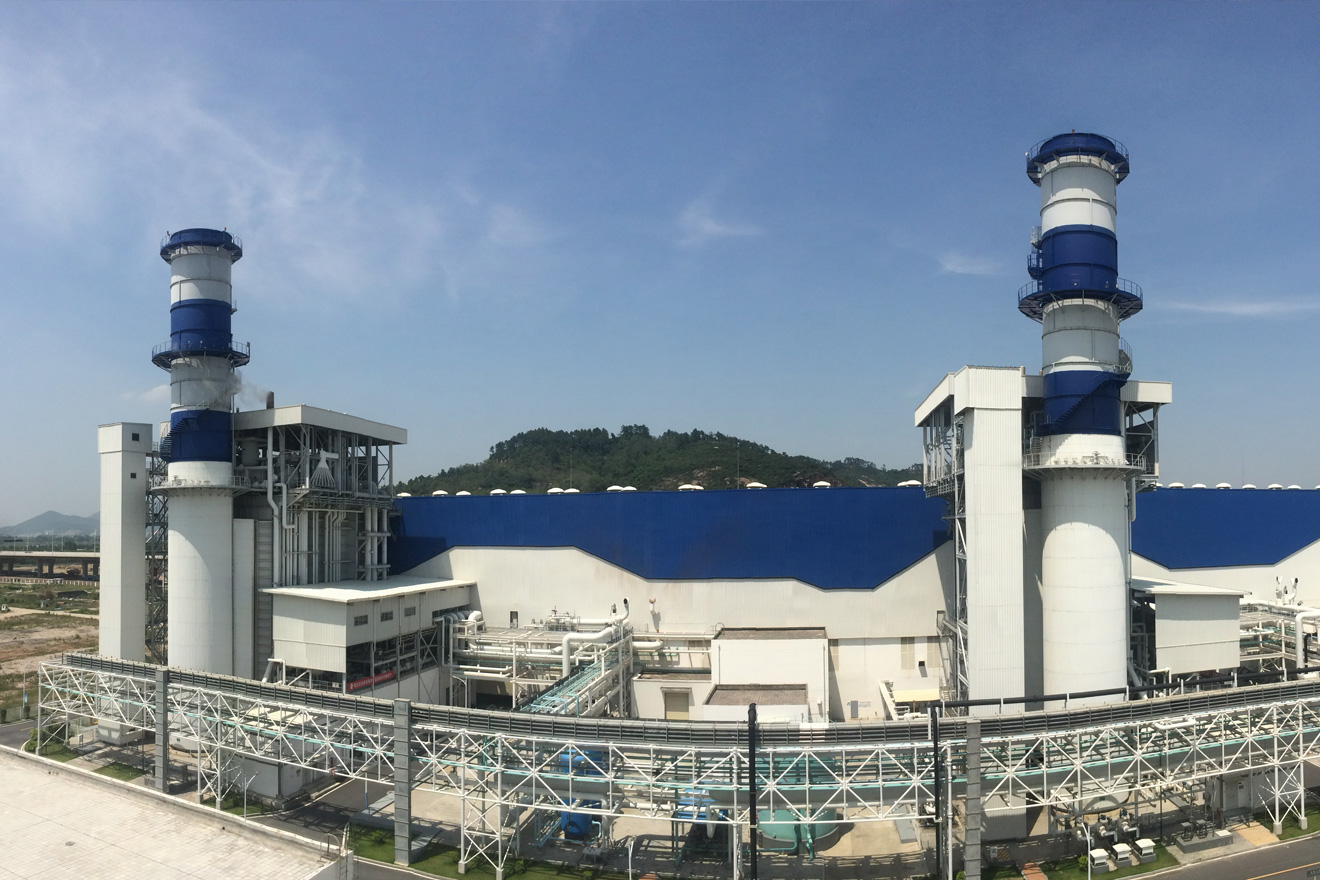
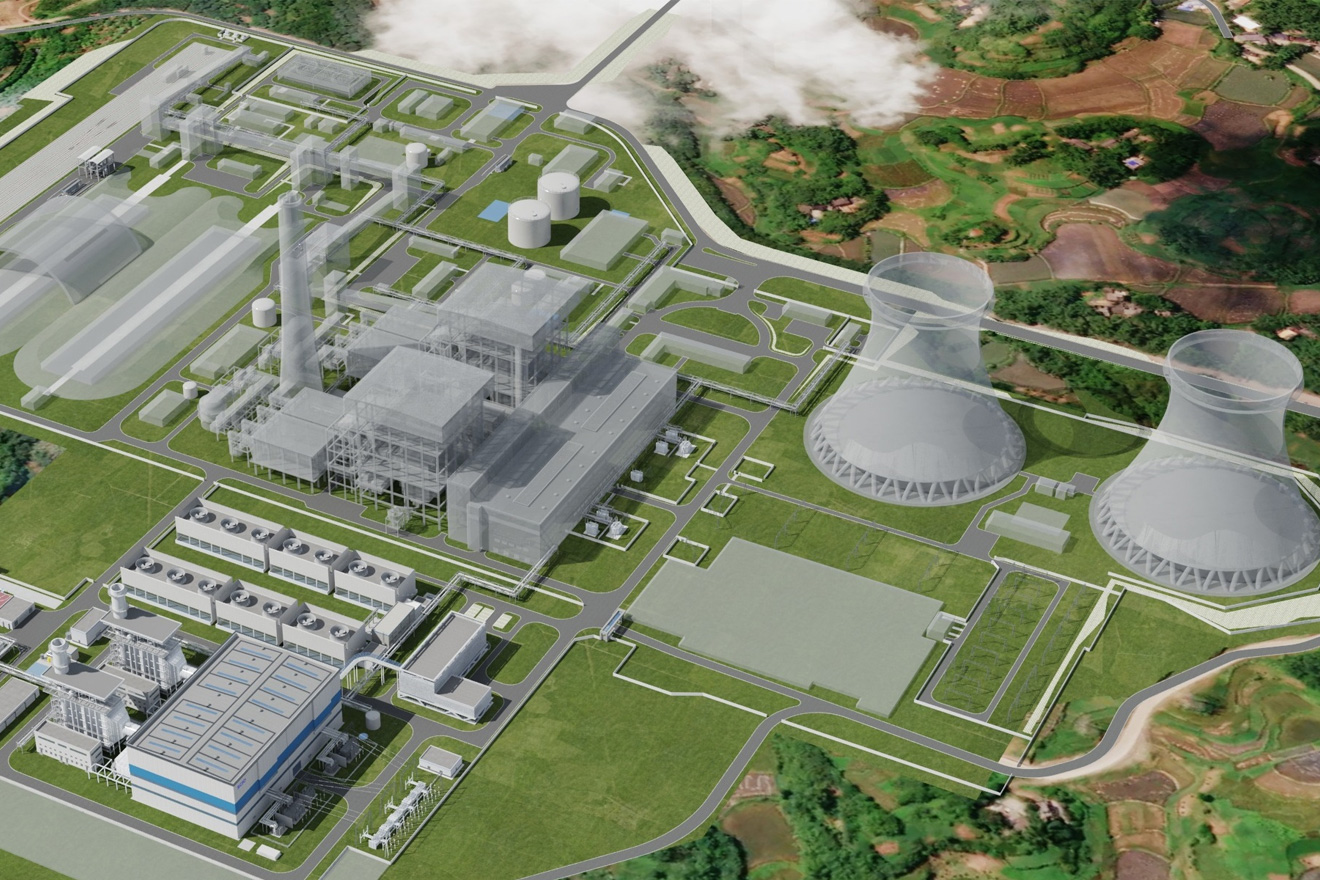
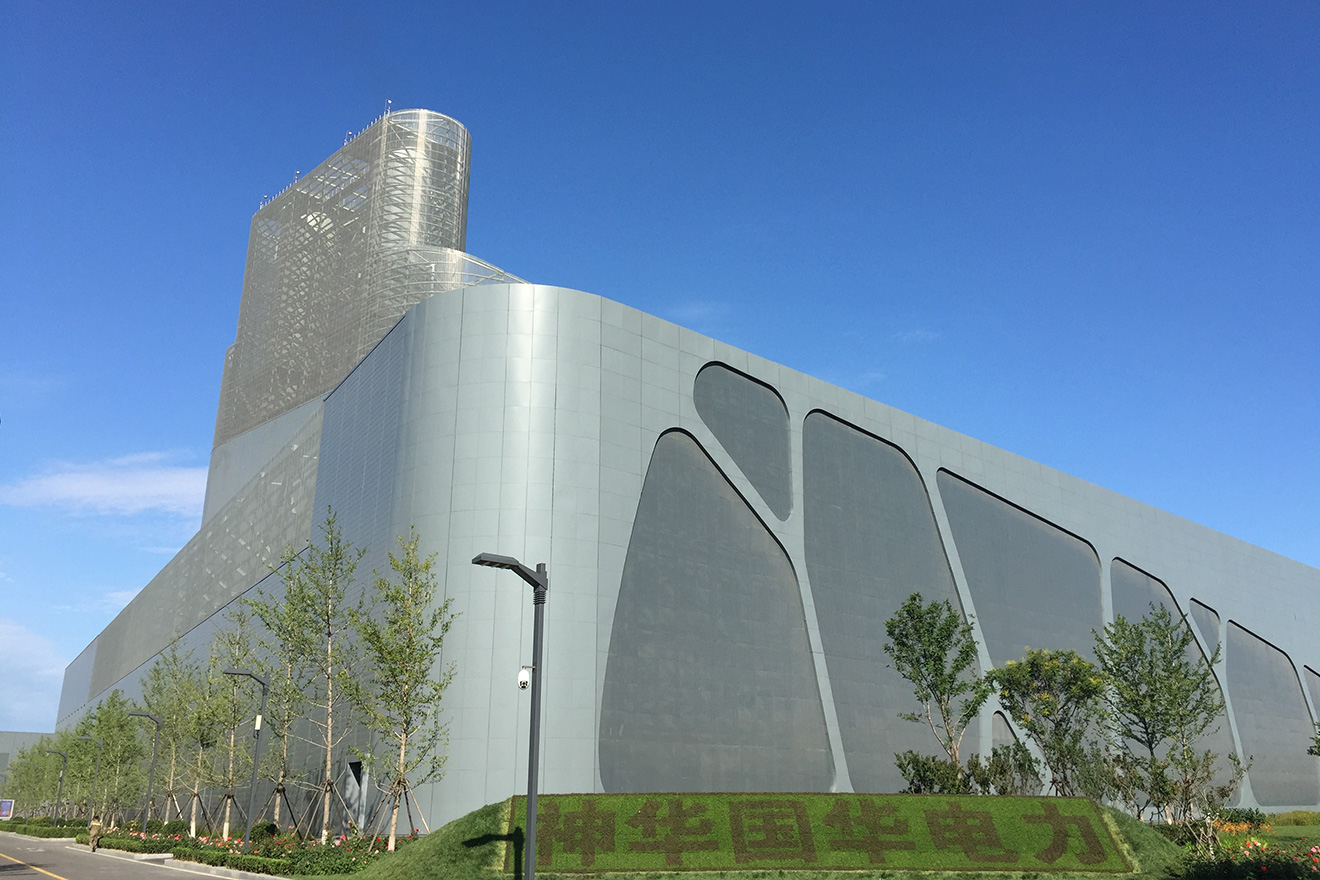
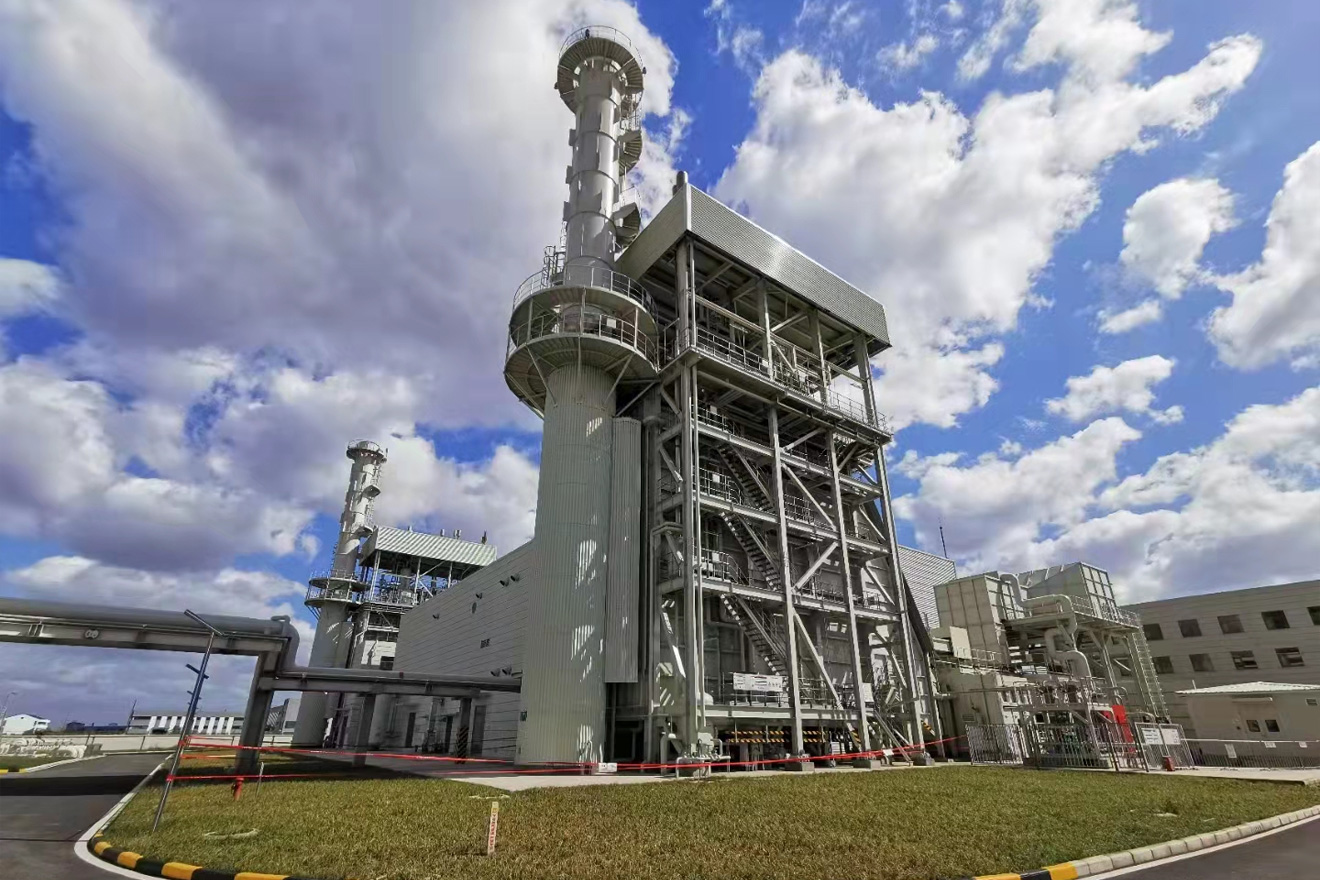
Designing a high-performance Solid Waste Incineration Boiler (WtE) that complies with the stringent European Union Industrial Emissions Directive (IED) requires a holistic engineering approach. The challenge lies in balancing efficient municipal solid waste thermal treatment with comprehensive control over hazardous emissions, particularly dioxins, furans, and heavy metals. Compliance with EU emission standards is achieved not only through downstream flue gas cleaning but fundamentally through combustion engineering and material selection within the Solid Waste Incineration Boiler (WtE) design itself. This article outlines the engineering strategies and boiler design technologies required for successful implementation in the wast-to-energy wte sector.
1. Primary Emission Control: Combustion Optimization
The first line of defense against dioxin formation is ensuring complete combustion. Dioxin reduction boiler design must focus on the "3Ts": Temperature, Turbulence, and Time. EU regulations typically require flue gas to be maintained at a minimum of 850°C for at least two seconds in the presence of excess oxygen. Combustion control for waste boilers is critical to preventing the cold spots where dioxins reform during flue gas cooling. When comparing moving grate vs fluidized bed boilers, moving grate systems generally offer better control over specific combustion zones, allowing for precise secondary air injection optimization to ensure complete oxidation of organic compounds.
Combustion Strategy Comparison
- Moving Grate: Excellent for mixed municipal solid waste; offers high flexibility and zone-specific control.
- Fluidized Bed: Provides superior turbulence and fuel mixing, though less flexible with heterogeneous waste streams.
| Technology |
Combustion Temperature Control |
Flexibility |
Dioxin Formation Risk |
| Moving Grate |
Very High |
High |
Very Low |
| Fluidized Bed |
High |
Moderate |
Low |
2. Advanced Material Selection and Corrosion Control
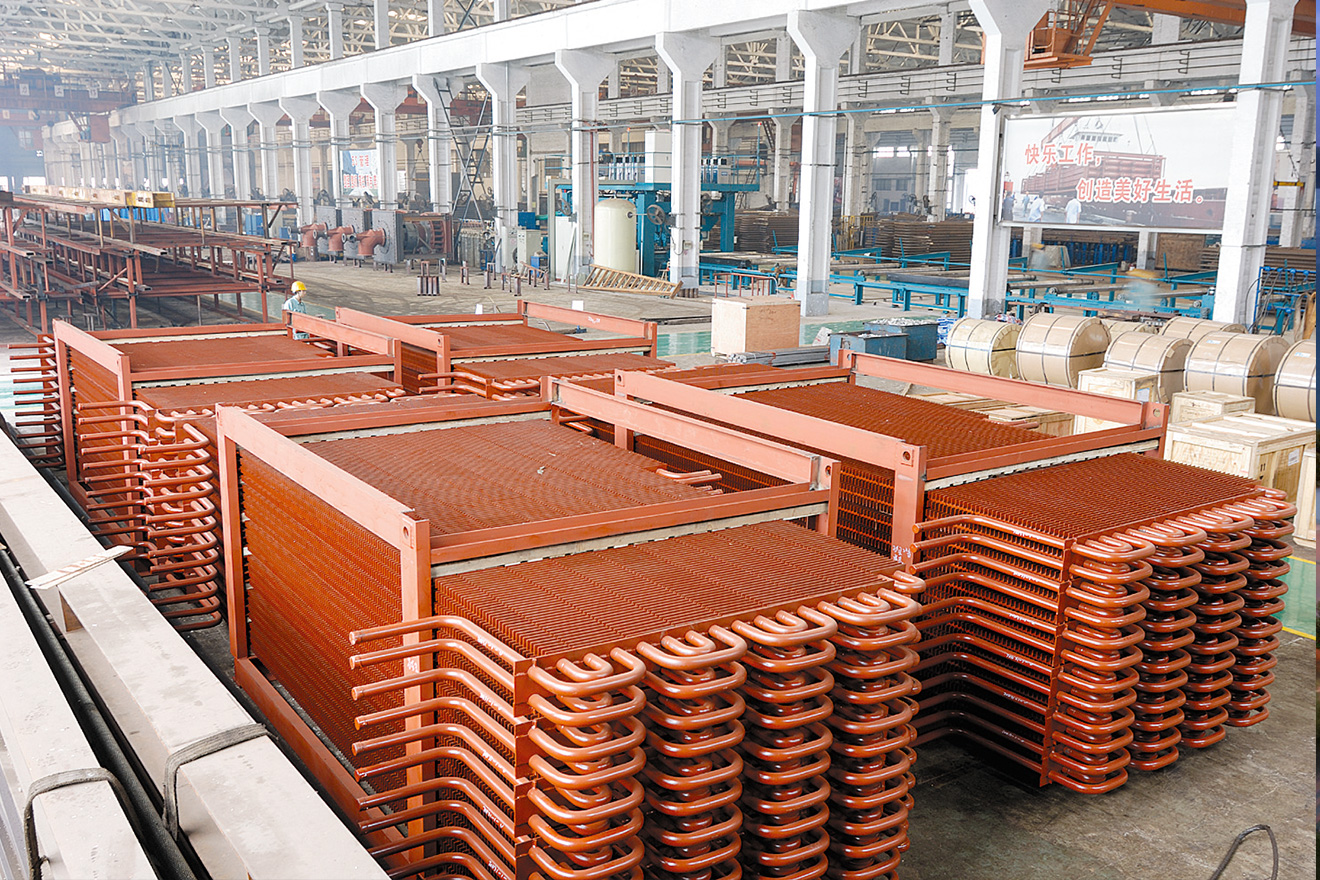
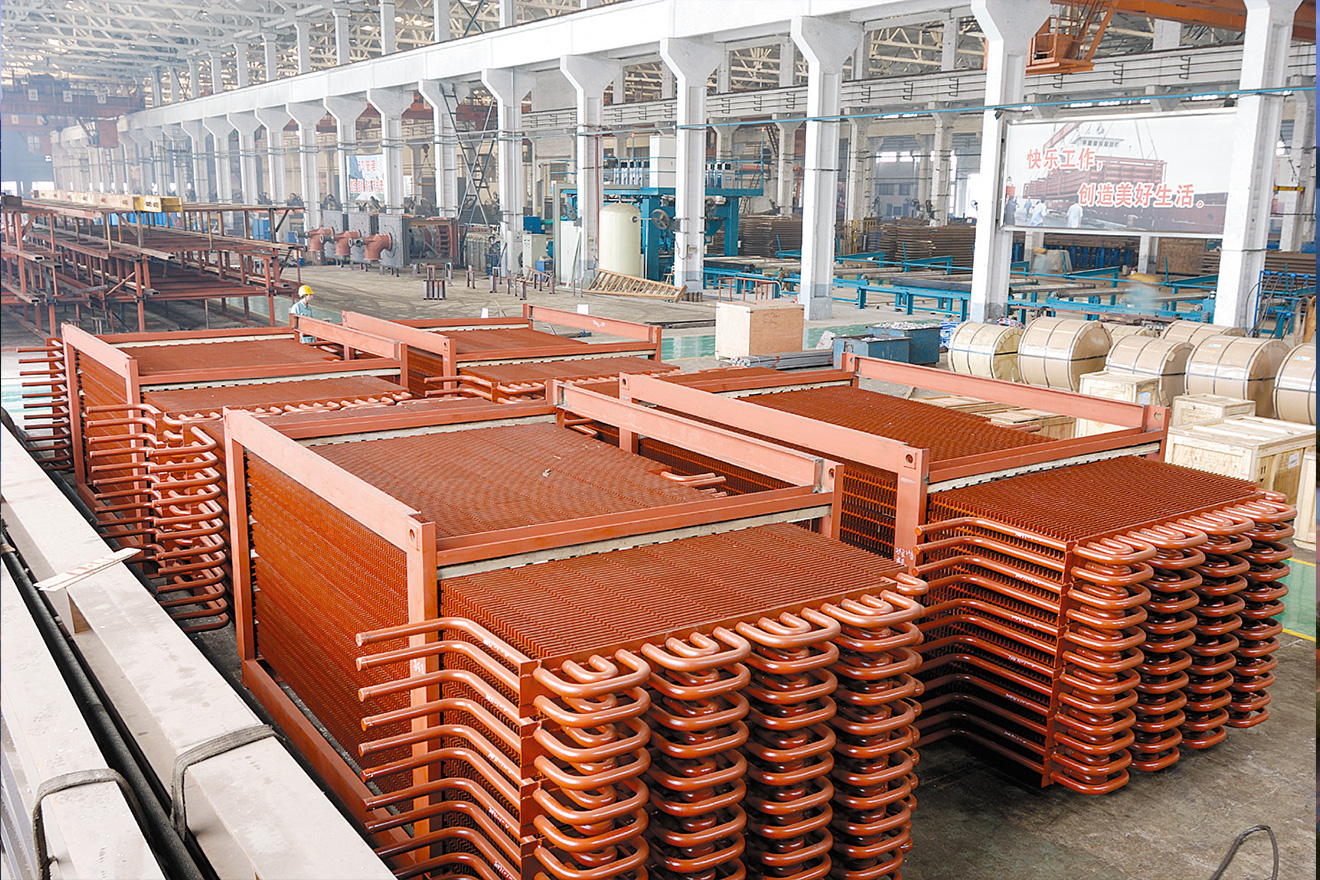
Corrosion protection in incineration boilers is imperative due to the high chloride content in municipal waste, which leads to high-temperature corrosion of heat exchanger tubes. To ensure longevity and prevent heavy metal release due to tube failure, materials must be carefully selected. Engineering corrosion-resistant boiler tubes often involves using Inconel cladding or specialized alloys for superheater sections. When evaluating corrosion-resistant alloys vs cladding, cladding offers a lower cost alternative but requires meticulous application to ensure structural integrity and thermal conductivity.
Material Strategy for Longevity
- Inconel 625 Cladding: Provides exceptional resistance to chloride corrosion in superheater sections.
- Membrane Wall Design: Improves thermal efficiency while protecting the boiler structure from direct flame impingement.
- Refractory Lining: Essential in the combustion chamber to protect against abrasion and chemical attack.
| Material Type |
Corrosion Resistance |
Abrasion Resistance |
Cost |
| Alloy 625 Cladding |
Very High |
High |
High |
| Specialized Stainless Steel |
Moderate-High |
High |
Moderate |
3. Integrated Flue Gas Cleaning Systems
To meet EU emission standards, the Solid Waste Incineration Boiler (WtE) must be integrated with advanced downstream cleaning systems. Flue gas cleaning systems typically involve multi-stage processes to remove acidic gases, heavy metals, and particulate matter. Dioxin removal technology often employs activated carbon injection, which adsorbs dioxins and heavy metals before the fabric filter. VS: Dry vs. Wet scrubbing for acid gas removal: Wet scrubbing provides higher removal efficiency for SO2 and HCl but generates wastewater, whereas dry scrubbing simplifies waste management but requires higher reagent consumption.
Conclusion: Holistic Design for Compliance
Achieving compliance with EU emission standards for dioxins and heavy metals in a Solid Waste Incineration Boiler (WtE) requires an integrated design philosophy. By optimizing combustion to prevent dioxin formation, utilizing advanced materials to combat high-temperature corrosion, and employing multi-stage flue gas cleaning, engineers can ensure both regulatory compliance and long-term operational reliability.
Frequently Asked Questions (FAQ)
1. What is the fundamental boiler design technologies strategy for dioxin control?
The fundamental strategy is to ensure complete combustion by maintaining flue gas at a minimum of 850°C for at least two seconds, followed by rapid cooling to prevent dioxin reformation, achieved through precise secondary air injection.
2. How does boiler corrosion affect emissions compliance?
Severe high-temperature corrosion can lead to tube failures, causing operational shutdowns and potential breaches in pressure containment, which risks releasing untreated flue gas and heavy metals, leading to non-compliance.
3. VS: Dry vs. Wet scrubbing for acid gas removal - which is better for dioxins?
Both methods are effective, but flue gas cleaning systems utilizing activated carbon injection—which can be integrated into both dry and wet systems—are the primary dioxin removal technology for adsorbing dioxins and heavy metals.
4. How to optimize combustion control for waste boilers for heterogeneous fuel?
Optimization is achieved through robust automatic combustion control (ACC) systems that adjust secondary air injection and fuel feed rates based on real-time flue gas analysis, ensuring stable combustion temperatures even with varying waste calorific values.
5. What is the role of corrosion protection in incineration boilers?
The role of corrosion protection in incineration boilers is to protect critical heat transfer surfaces, such as superheaters and economizers, from chloride and sulfate attack, thereby ensuring high availability and thermal efficiency.
Industry References
- EU Industrial Emissions Directive (IED) 2010/75/EU on Integrated Pollution Prevention and Control.
- Bref Document for Waste Incineration (Best Available Techniques Reference Document).
- "High-Temperature Corrosion in Waste Incineration Boilers," Journal of Materials Science.
- Combustion Engineering Handbook on Municipal Solid Waste Treatment.


 En
En  中文简体
中文简体