
 En
En  中文简体
中文简体Home / News / Industry News / Why Are H/J Class HRSG Boilers Critical for Modern High-Efficiency Power Plants?
HRSG
High-Efficiency Heat Recovery Steam Generator, Natural Gas and Oil.
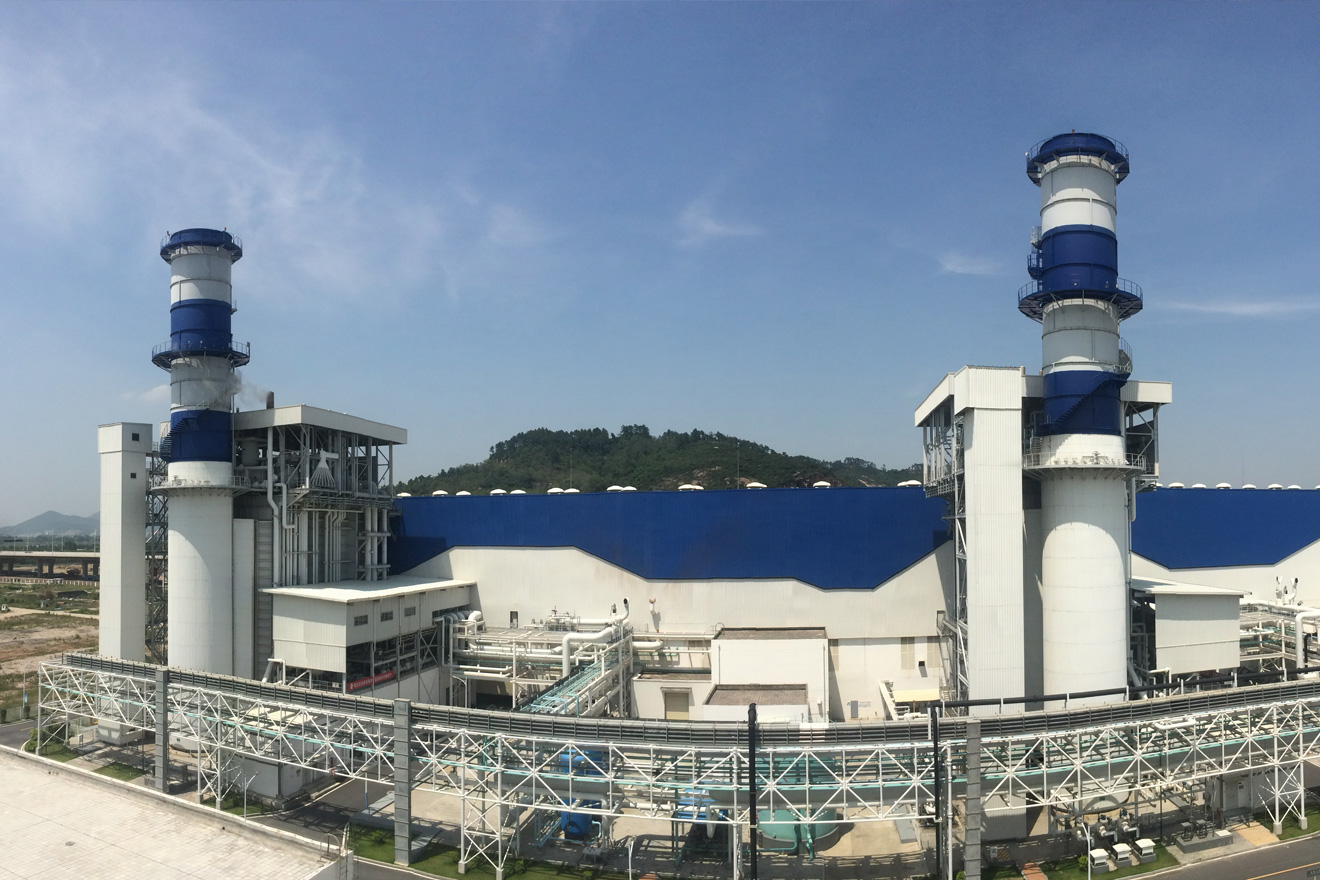
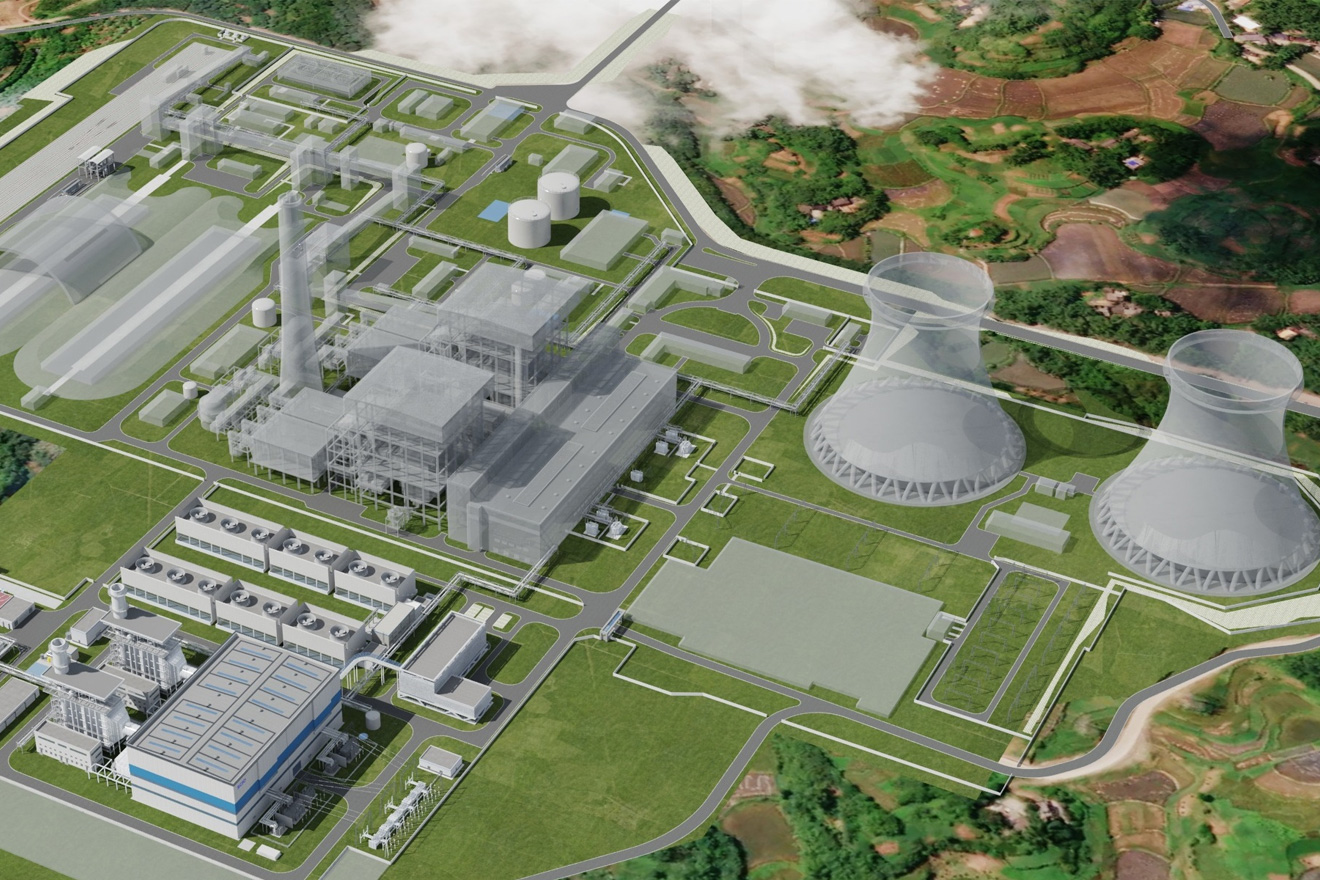
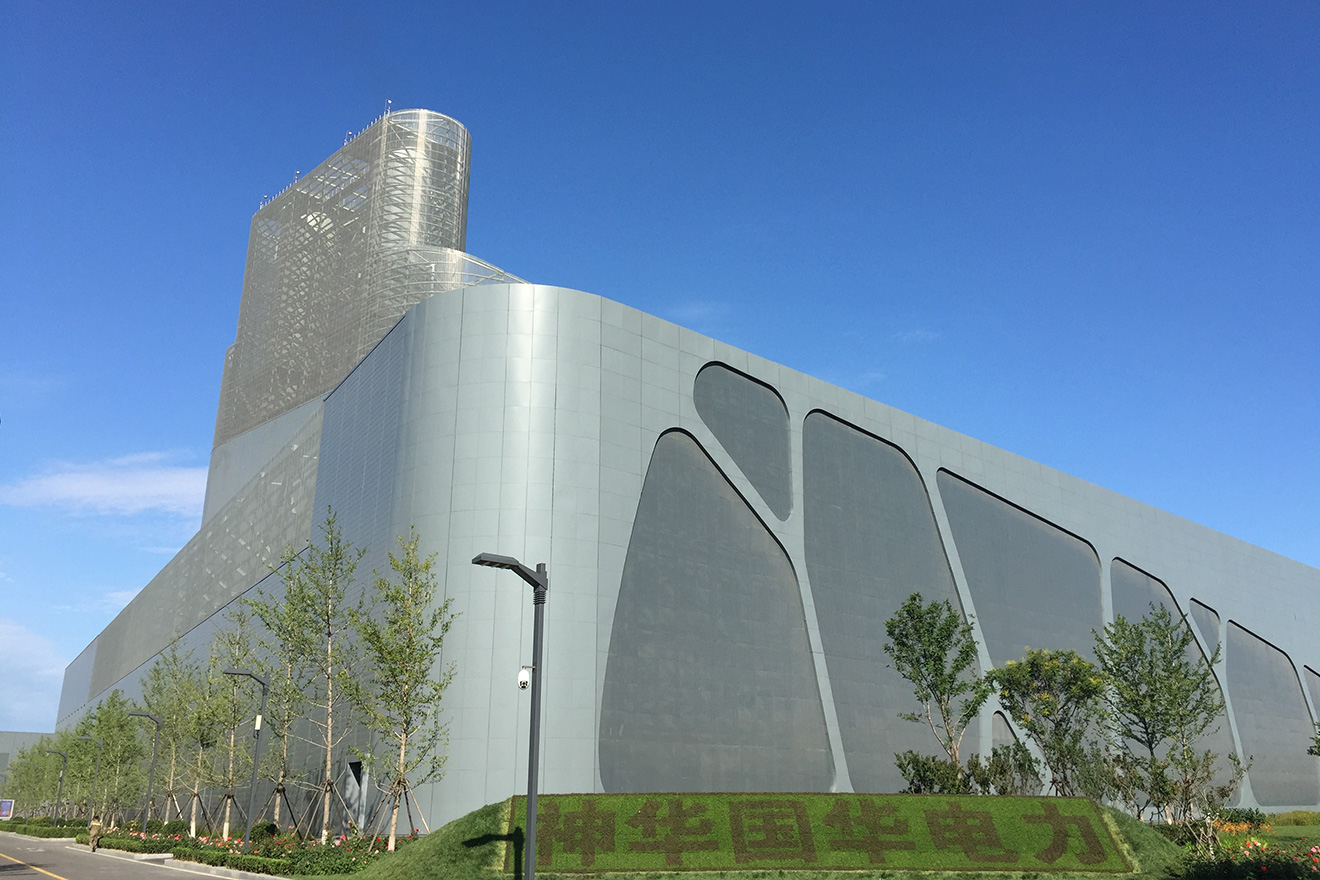
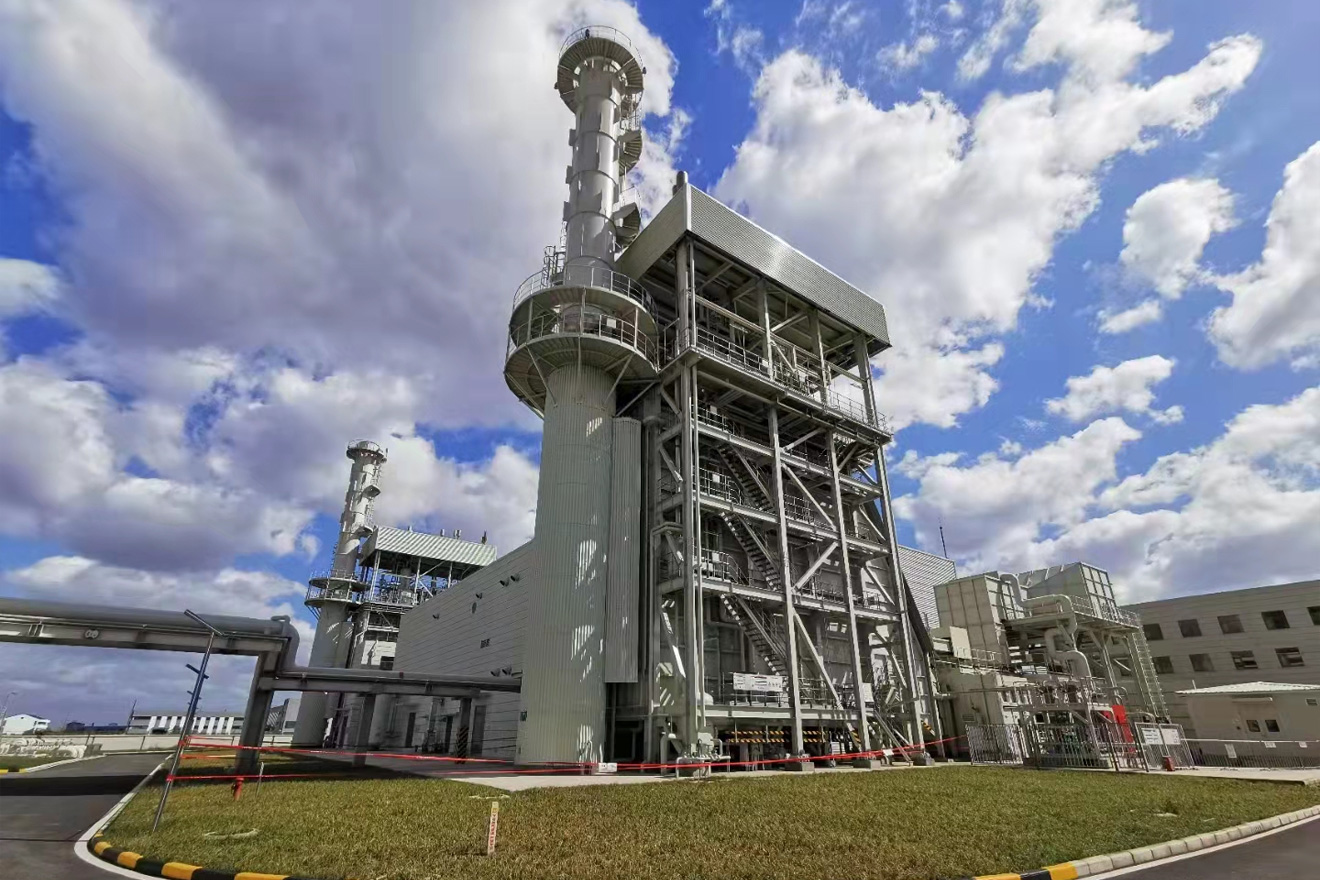



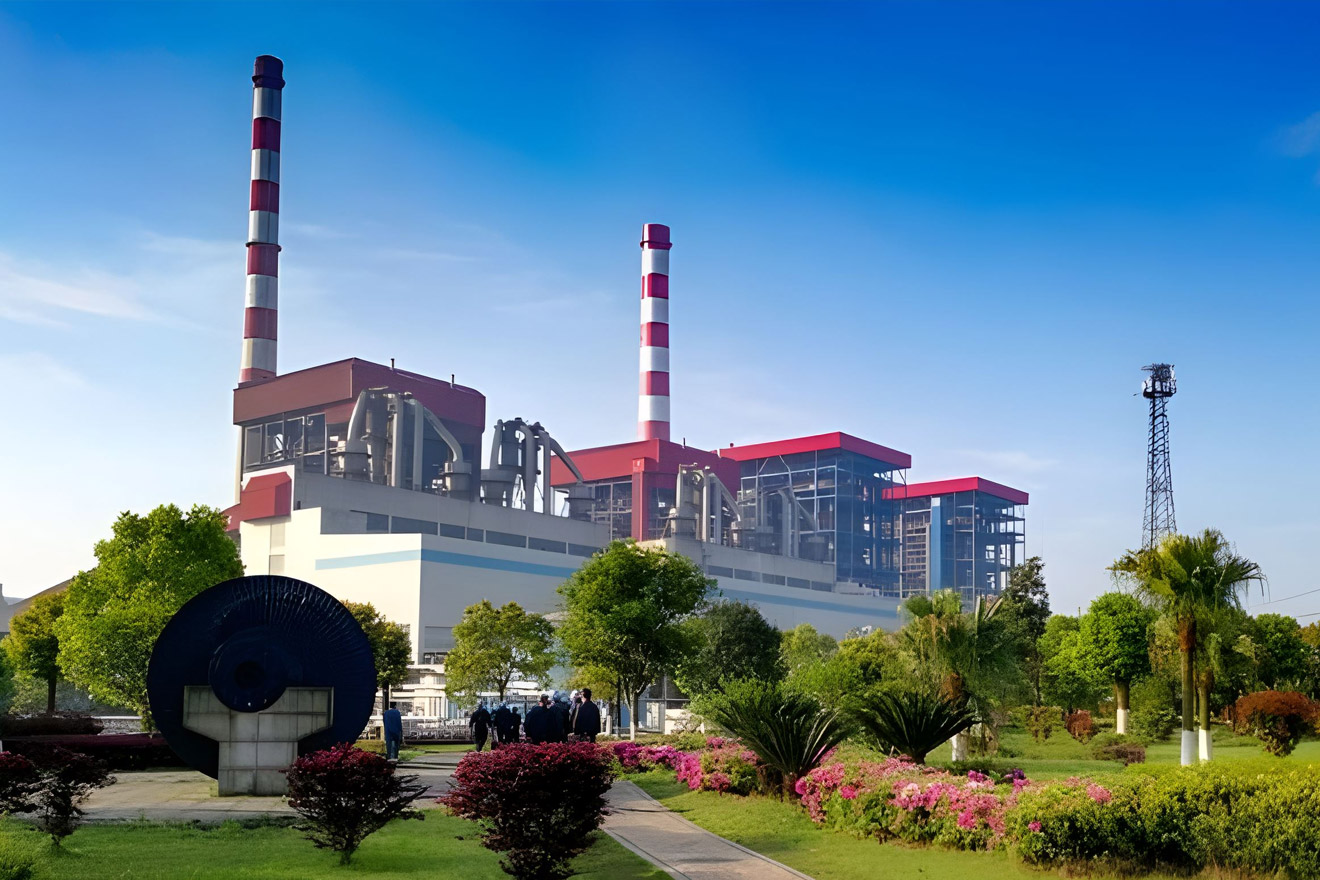
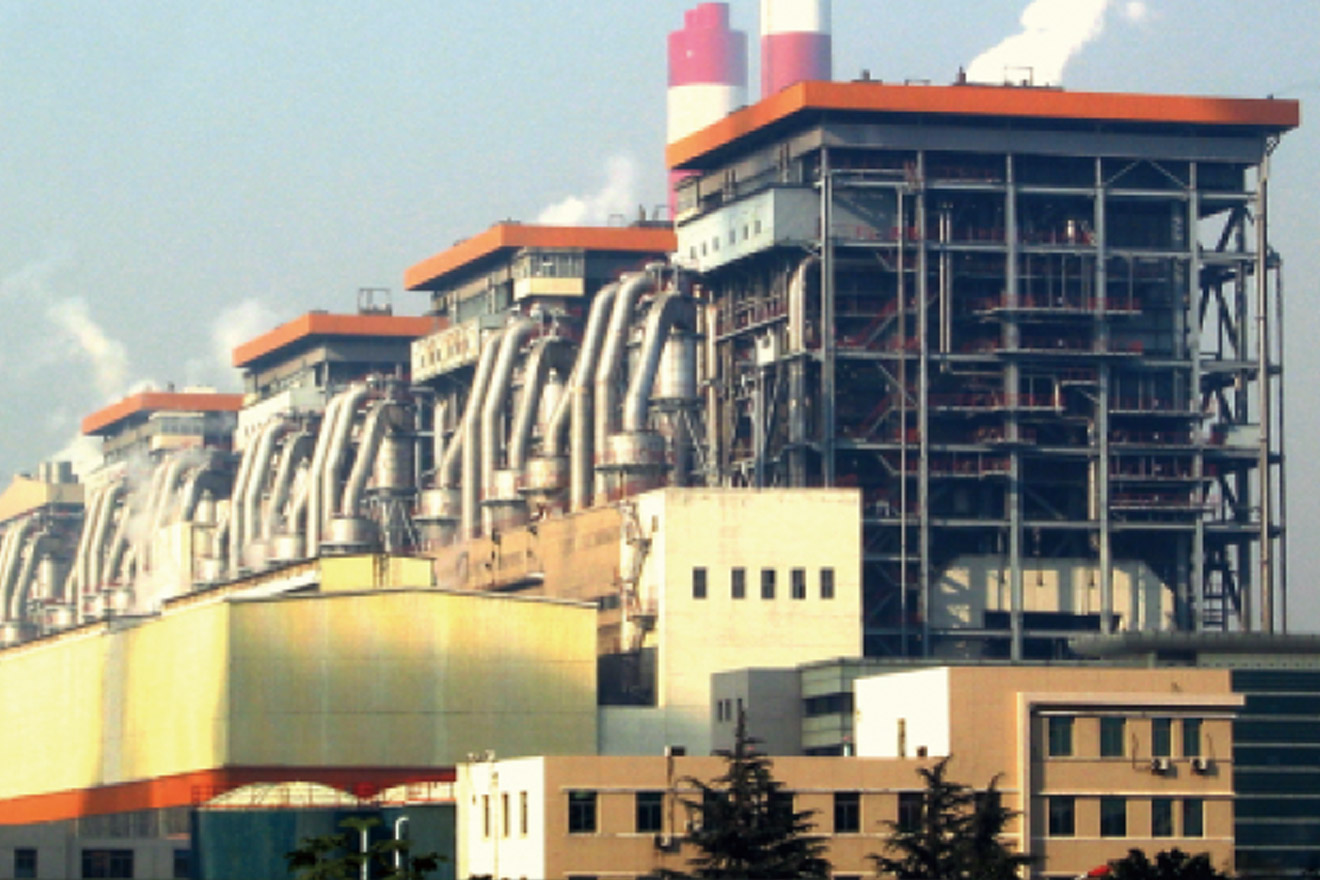
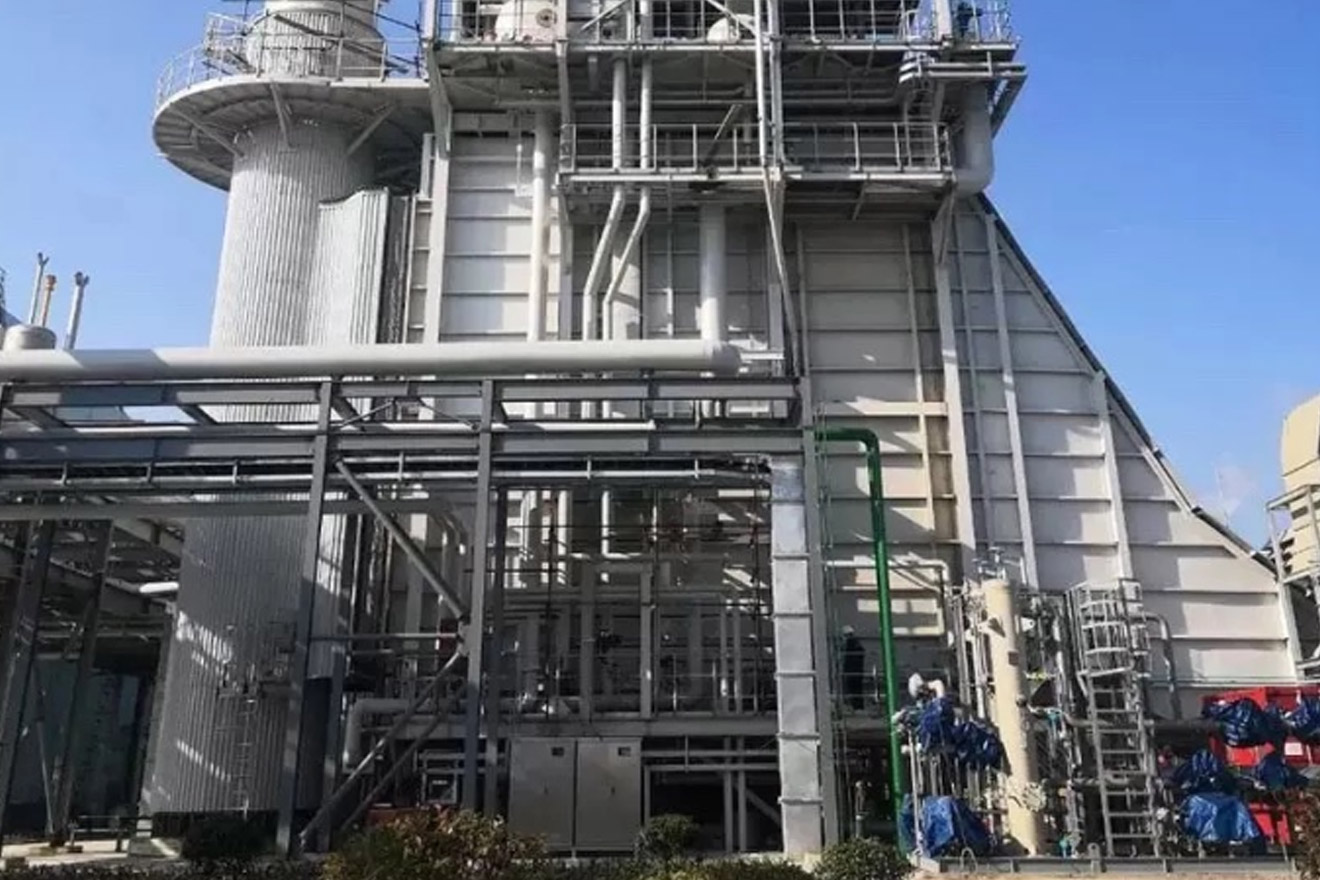
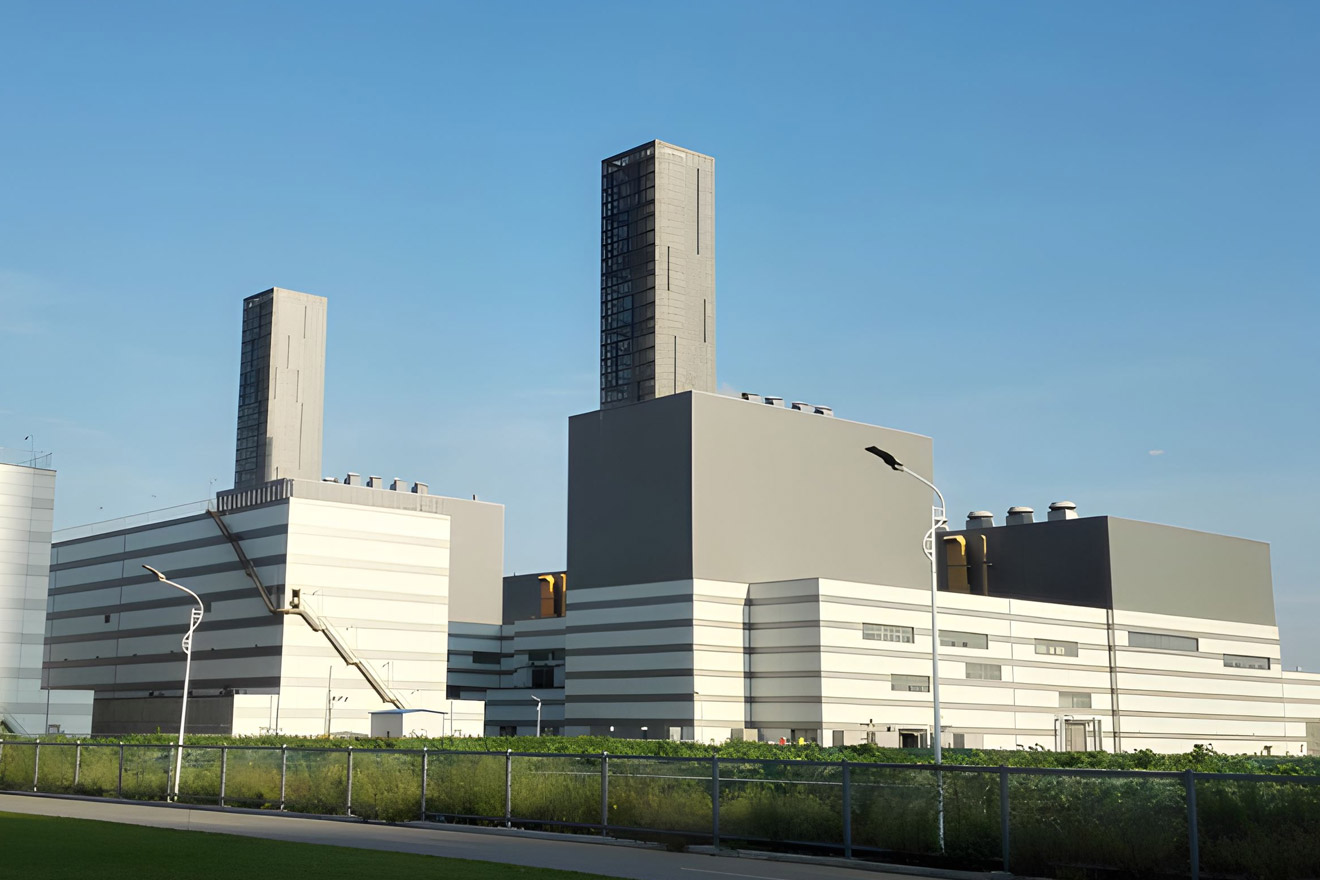
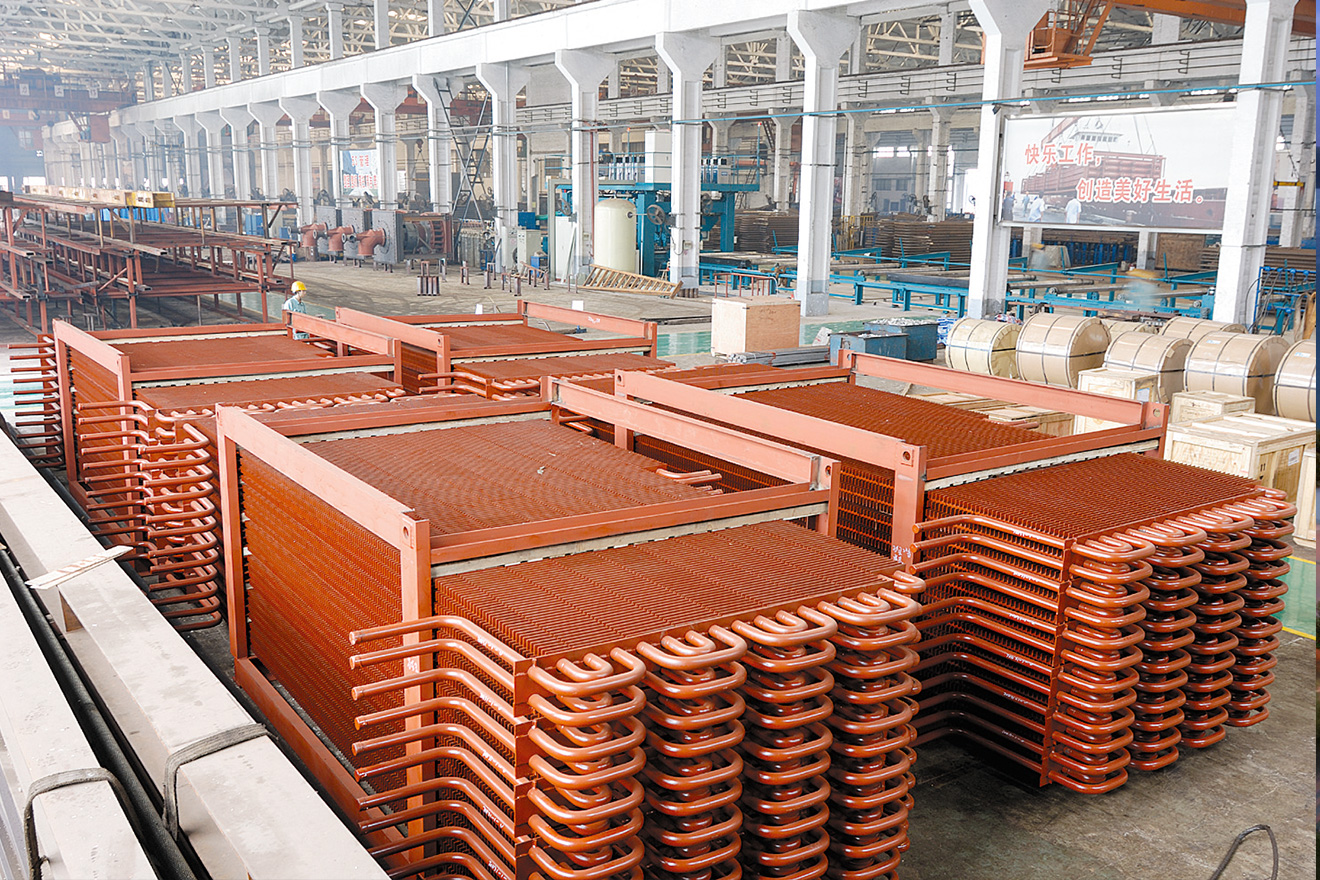
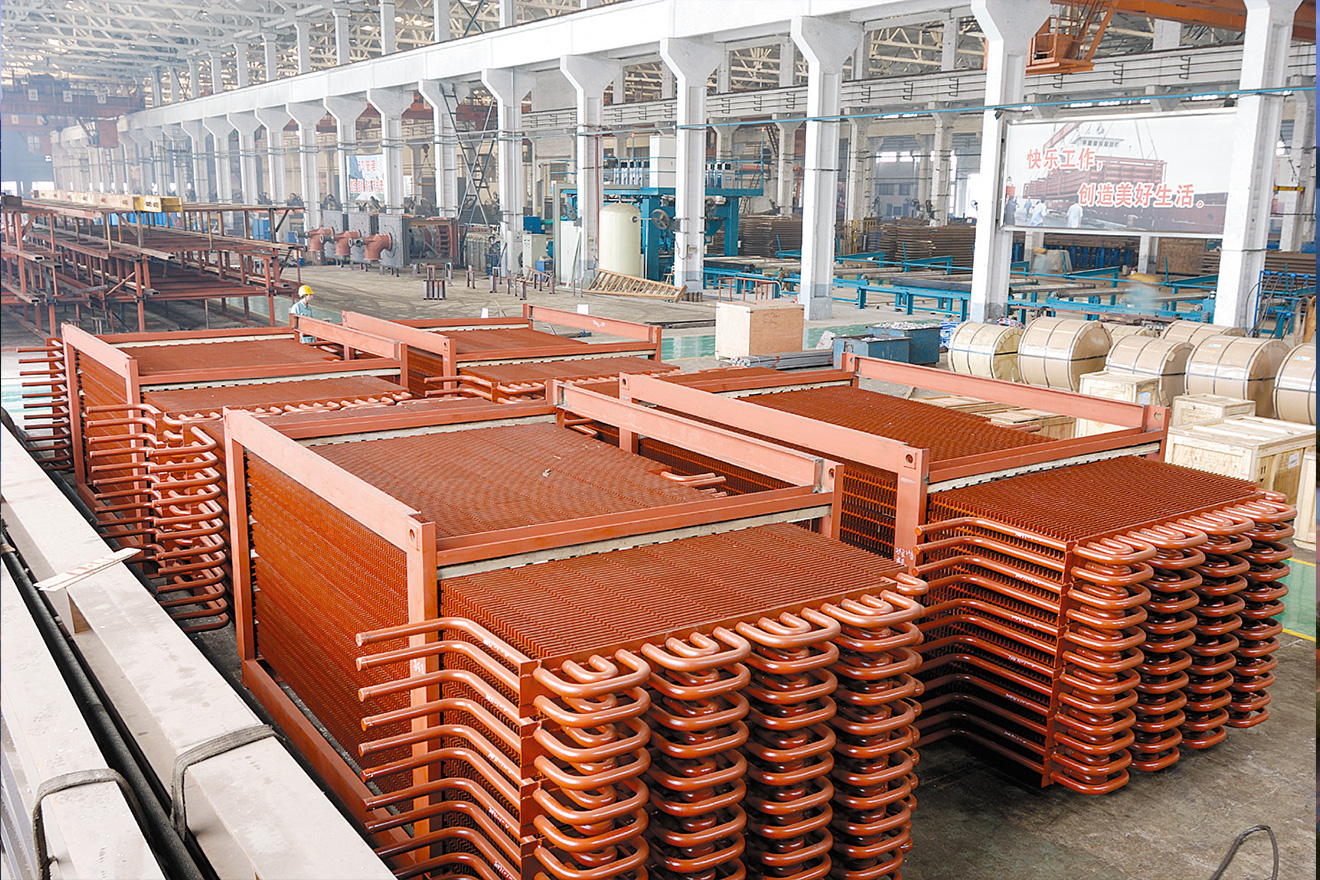
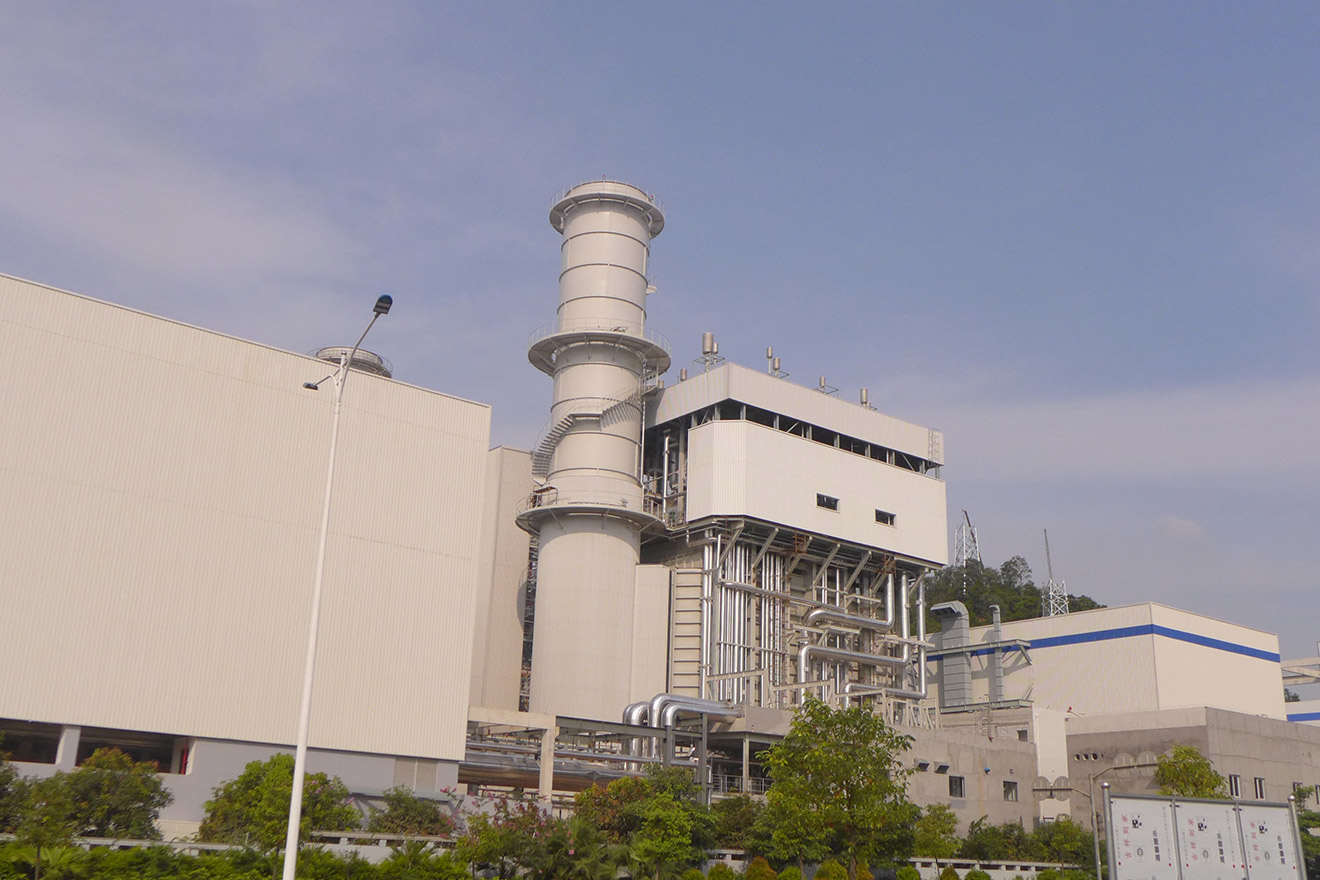
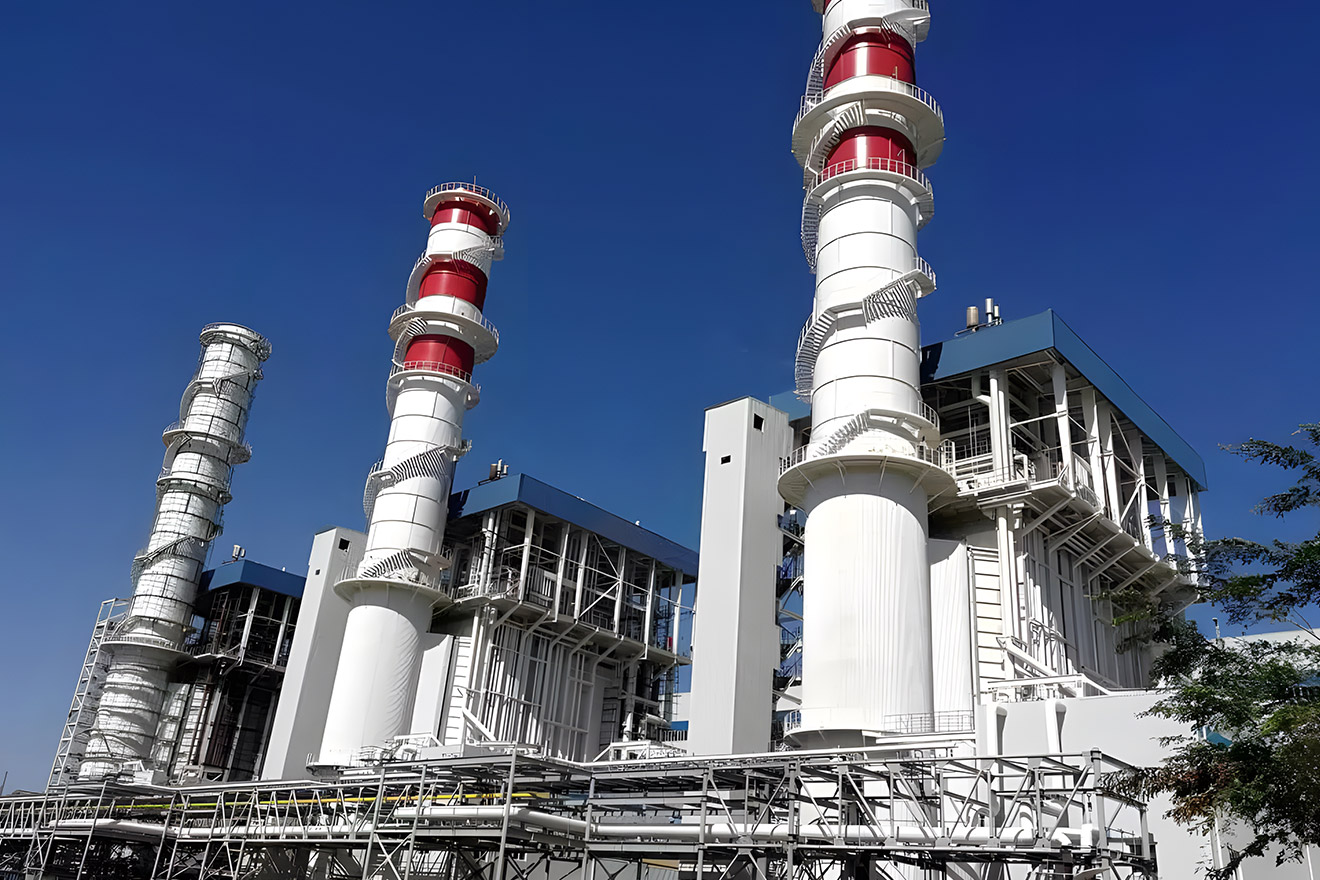
With the rapid development of combined-cycle gas turbine (CCGT) power plants, higher turbine firing temperatures and stricter environmental standards require more advanced heat-recovery equipment. Among these technologies, H/J Class Heat Recovery Steam Generators (HRSG) have become a key component in achieving ultra-high efficiency and low emissions in modern power generation systems.
This article explores the working principles, technical advantages, and industry applications of H/J Class HRSG boilers, and why they are increasingly important in the global energy transition.
A Heat Recovery Steam Generator (HRSG) is a boiler that captures the high-temperature exhaust gas from a gas turbine and converts it into steam to drive a steam turbine. This process significantly improves the efficiency of combined-cycle power plants by utilizing waste heat that would otherwise be lost.
Compared with conventional boilers, HRSG systems are designed for multi-stage heat recovery, typically including economizers, evaporators, and superheaters to maximize thermal energy extraction from turbine exhaust gas.
| System Component | Function |
|---|---|
| Gas Turbine | Generates electricity and produces high-temperature exhaust gas |
| HRSG Boiler | Recovers exhaust heat to produce high-pressure steam |
| Steam Turbine | Converts steam energy into additional electricity |
| Condenser & Feedwater System | Recovers water and maintains the steam cycle |
Through this combined cycle process, plant efficiency can reach 55–62% or higher, much greater than conventional single-cycle power generation systems.
Modern H-class and J-class gas turbines operate at extremely high firing temperatures and produce exhaust gases exceeding 600 °C. These high temperatures create enormous waste-heat potential, making advanced HRSG systems essential for energy recovery.
Higher Combined-Cycle Efficiency
Modern plants aim to exceed 60% efficiency, requiring advanced HRSG designs capable of handling higher temperatures and pressures.
Lower Carbon Emissions
By recovering waste heat, HRSG systems reduce fuel consumption and overall emissions.
Large-Capacity Power Generation
Large HRSG units can support high-capacity gas turbines and multi-pressure steam cycles.
Flexible Power Generation
Modern HRSGs support fast startup and load changes to match renewable energy fluctuations.
The latest H/J class HRSG technology integrates advanced thermal design and high-efficiency heat transfer systems to improve power plant performance.
| Feature | Description |
|---|---|
| Advanced Thermal Cycle Design | Supports single, dual, or multi-pressure configurations for optimal heat recovery |
| Efficient Heat Transfer Surfaces | Optimized tube arrangements maximize exhaust heat capture |
| High Reliability Materials | Designed to operate under high temperature and pressure conditions |
| Modular Structure | Allows flexible installation and easier maintenance |
| Environmental Compatibility | Supports low-emission and energy-saving power plant operation |
Advanced HRSG designs use multiple pressure levels and reheating technology to maximize energy recovery and improve steam cycle efficiency.
H/J class HRSG systems are widely used in modern energy and industrial infrastructure.
| Industry | Application |
|---|---|
| Gas-Fired Power Plants | Combined-cycle electricity generation |
| Industrial Cogeneration | Simultaneous power and process steam supply |
| Petrochemical Plants | Steam generation for refining processes |
| Metallurgical Industry | Energy recovery from industrial gas |
| LNG Power Stations | Efficient gas turbine waste-heat recovery |
These boilers can also operate with multiple fuel types, including natural gas, coalbed methane, and blast furnace gas, enabling flexible energy utilization.
Adopting H/J class HRSG boilers provides both economic and environmental advantages.
| Benefit | Impact |
|---|---|
| Higher Thermal Efficiency | More electricity produced per unit of fuel |
| Reduced Fuel Consumption | Lower operational cost |
| Lower Emissions | Supports carbon reduction goals |
| Improved Reliability | Stable operation in demanding conditions |
| Flexible Configuration | Custom designs for different plant layouts |
Some advanced HRSG installations in large combined-cycle plants help achieve power plant efficiencies above 63%, demonstrating the potential of modern heat-recovery systems.
The global energy transition is driving continuous innovation in HRSG systems. Key trends include:
Ultra-supercritical steam parameters
Hydrogen-ready gas turbine compatibility
Digital monitoring and predictive maintenance
Advanced heat-transfer materials
Higher pressure multi-level steam cycles
These technologies will allow HRSG systems to play an even greater role in low-carbon and high-efficiency power generation.
HRSG stands for Heat Recovery Steam Generator, a boiler that converts gas-turbine exhaust heat into steam for additional power generation.
H-class HRSG systems are designed for higher turbine exhaust temperatures and pressures, enabling higher combined-cycle efficiency compared with F-class systems.
Multi-pressure systems improve heat recovery efficiency by extracting energy at different temperature levels within the exhaust gas stream.
Some HRSG units can include supplementary firing systems, allowing them to produce steam even when the gas turbine is offline.
Power generation, petrochemical processing, metallurgy, and large industrial plants all benefit from HRSG-based waste-heat recovery.


No.1267, Chenggong Road, Jiaxing City, Zhejiang Province, China

sales1@mhdb.com.cn / sales2@mhdb.com.cn

+86-573-82625131 / +86-573-82625132
+86-573-82625133

+86-573–82625130
© MHl Power Dongfang Boiler Co., Ltd. (MHDB) All Rights Reserved.
