
 En
En  中文简体
中文简体Home / News / Industry News / What Makes F Class HRSG Boilers Essential for High-Efficiency Power Plants?
HRSG
High-Efficiency Heat Recovery Steam Generator, Natural Gas and Oil.
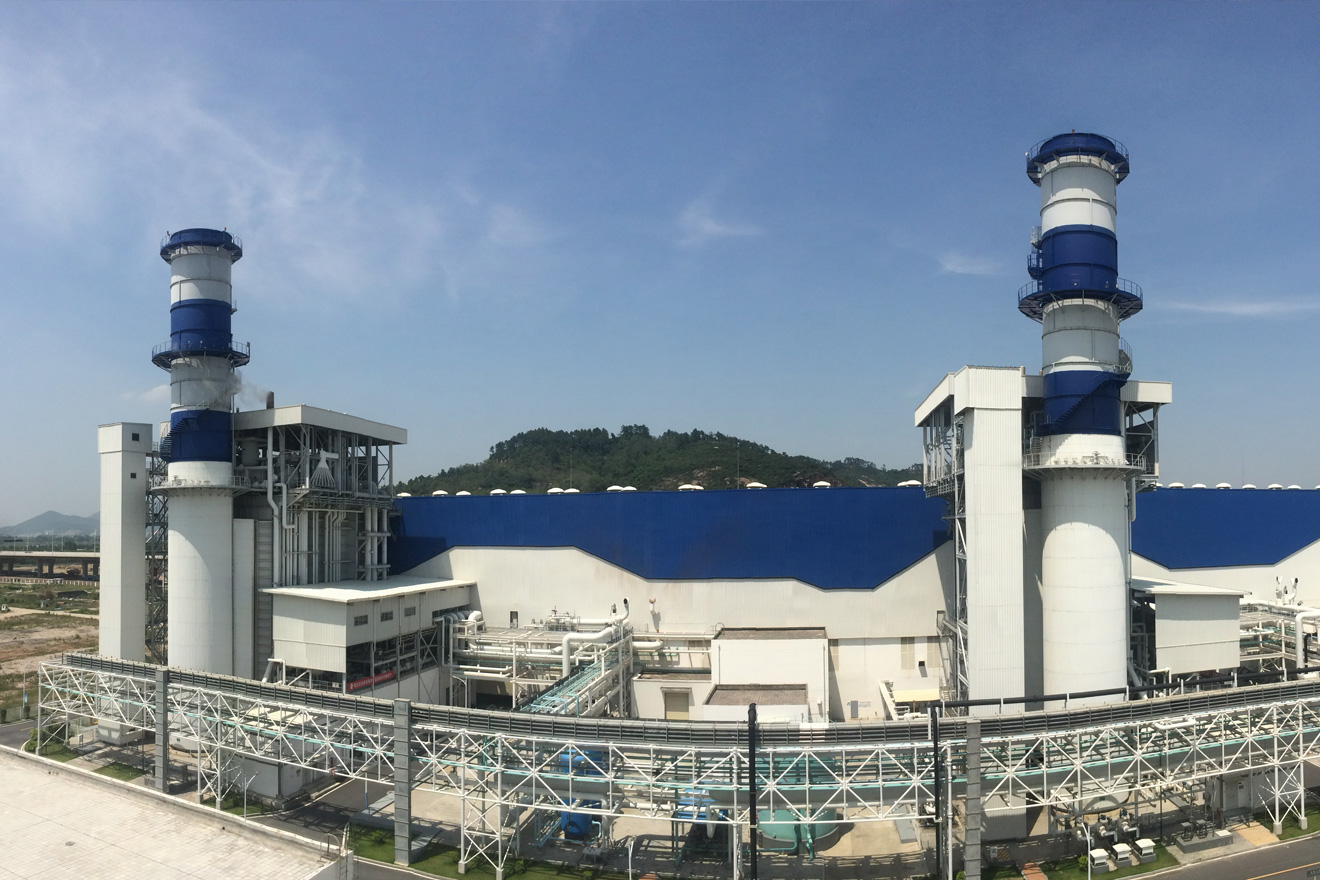
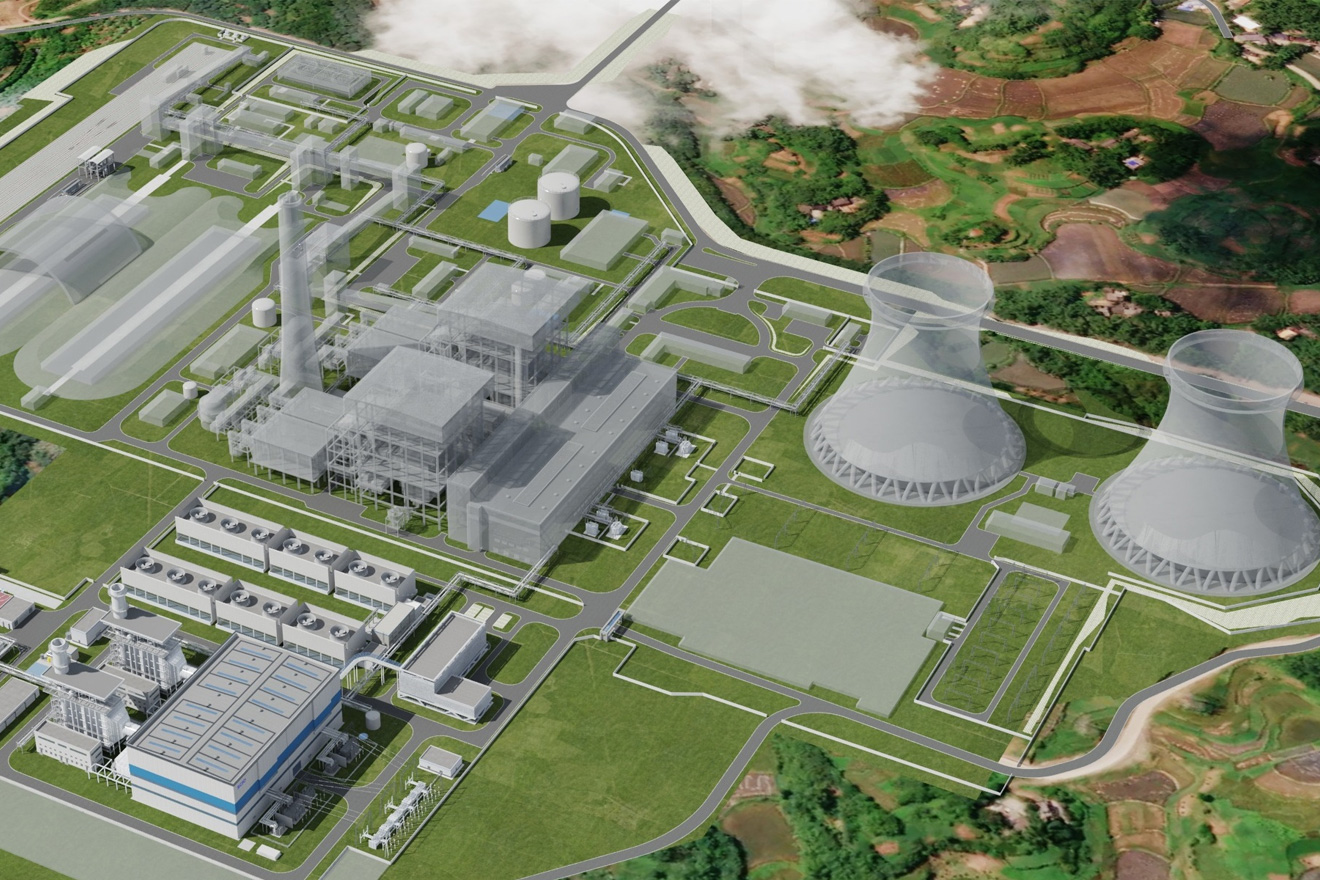
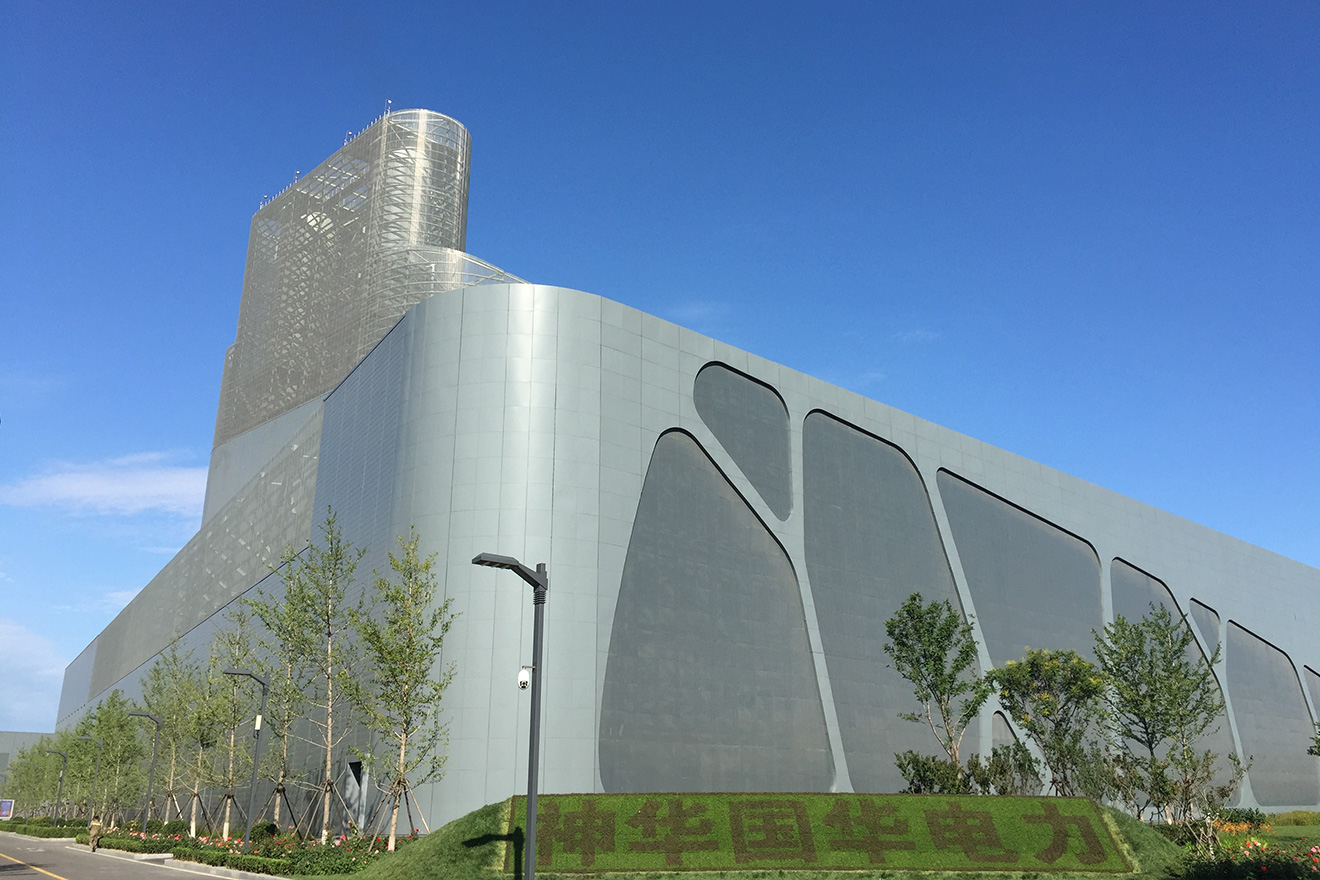
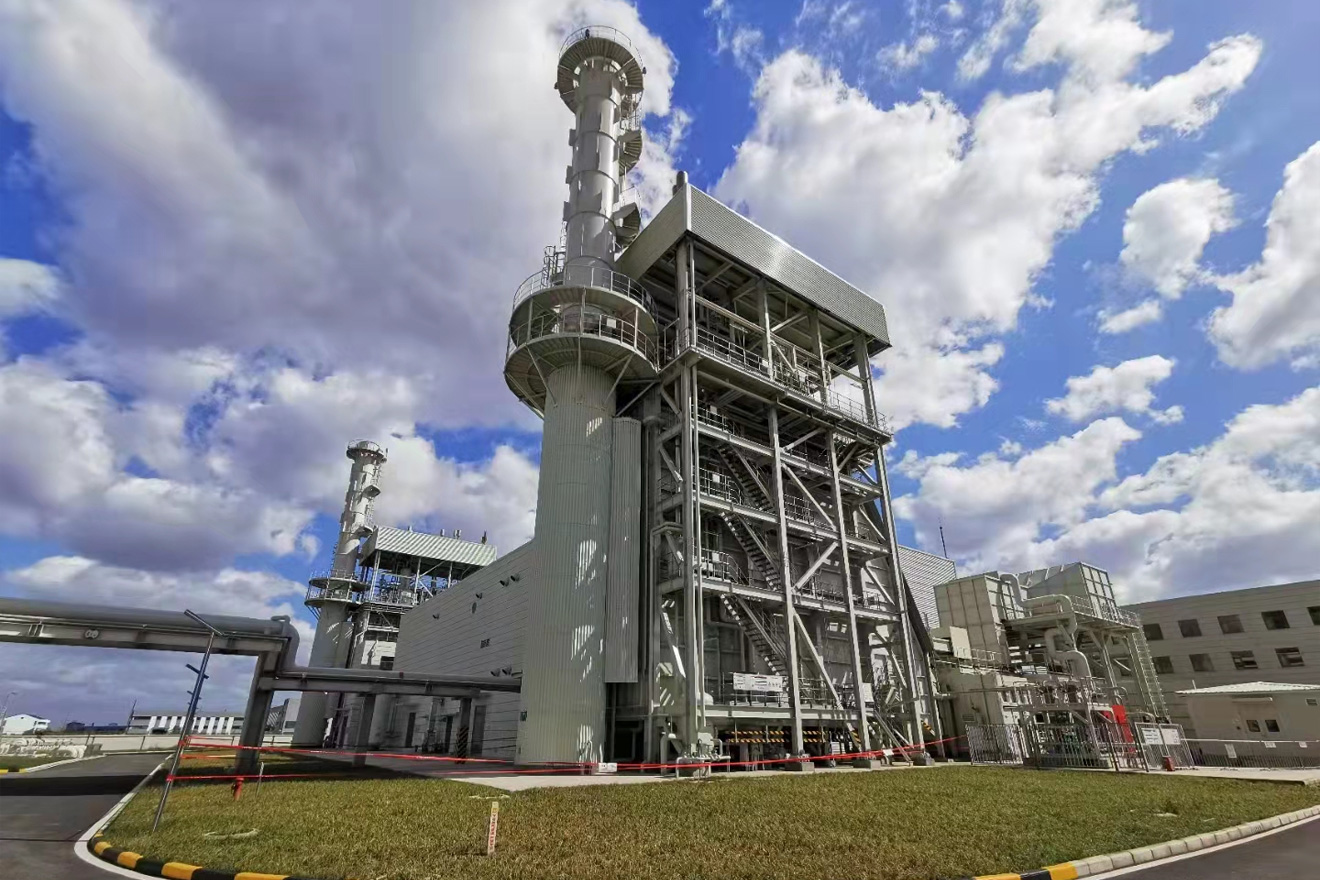



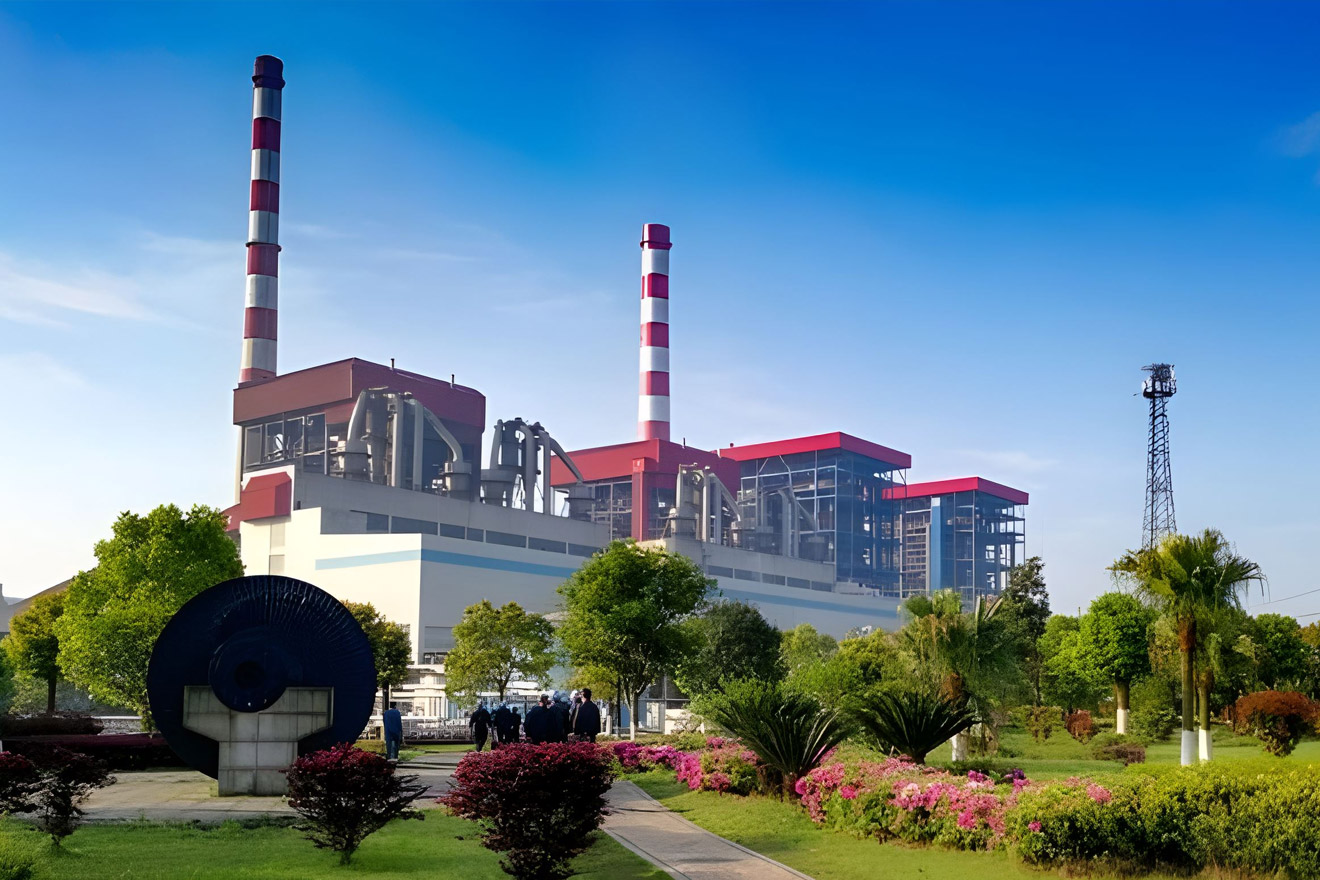
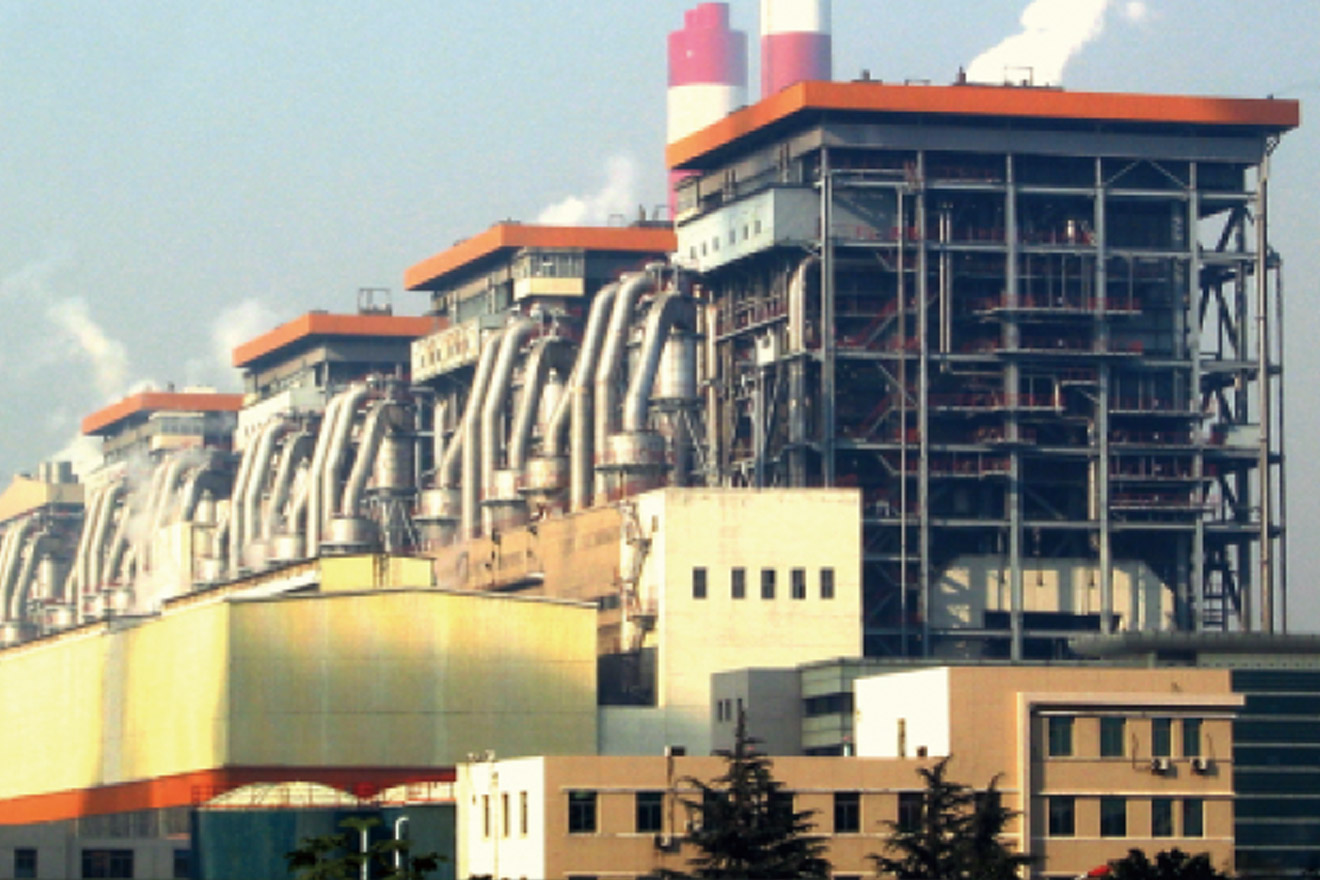
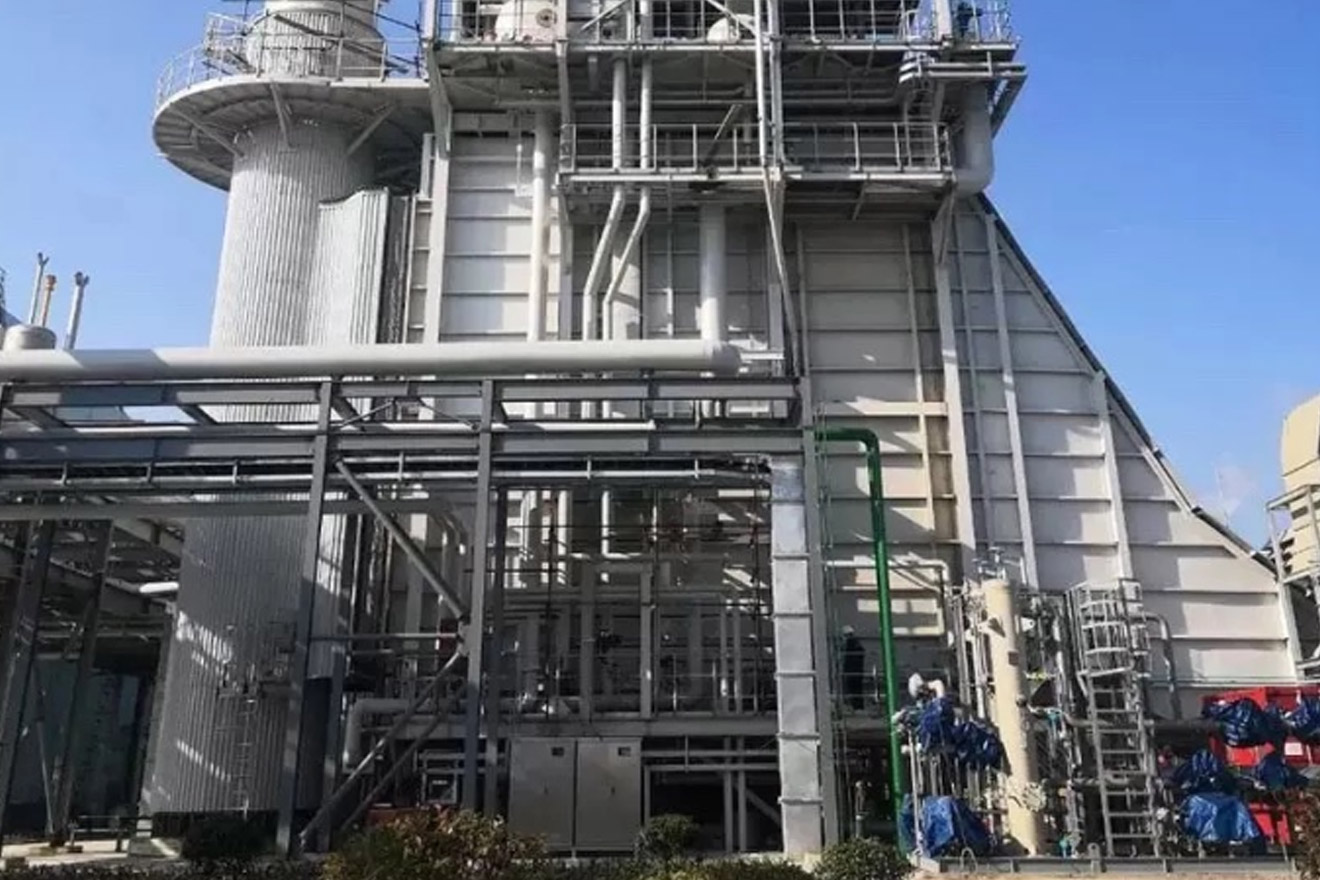
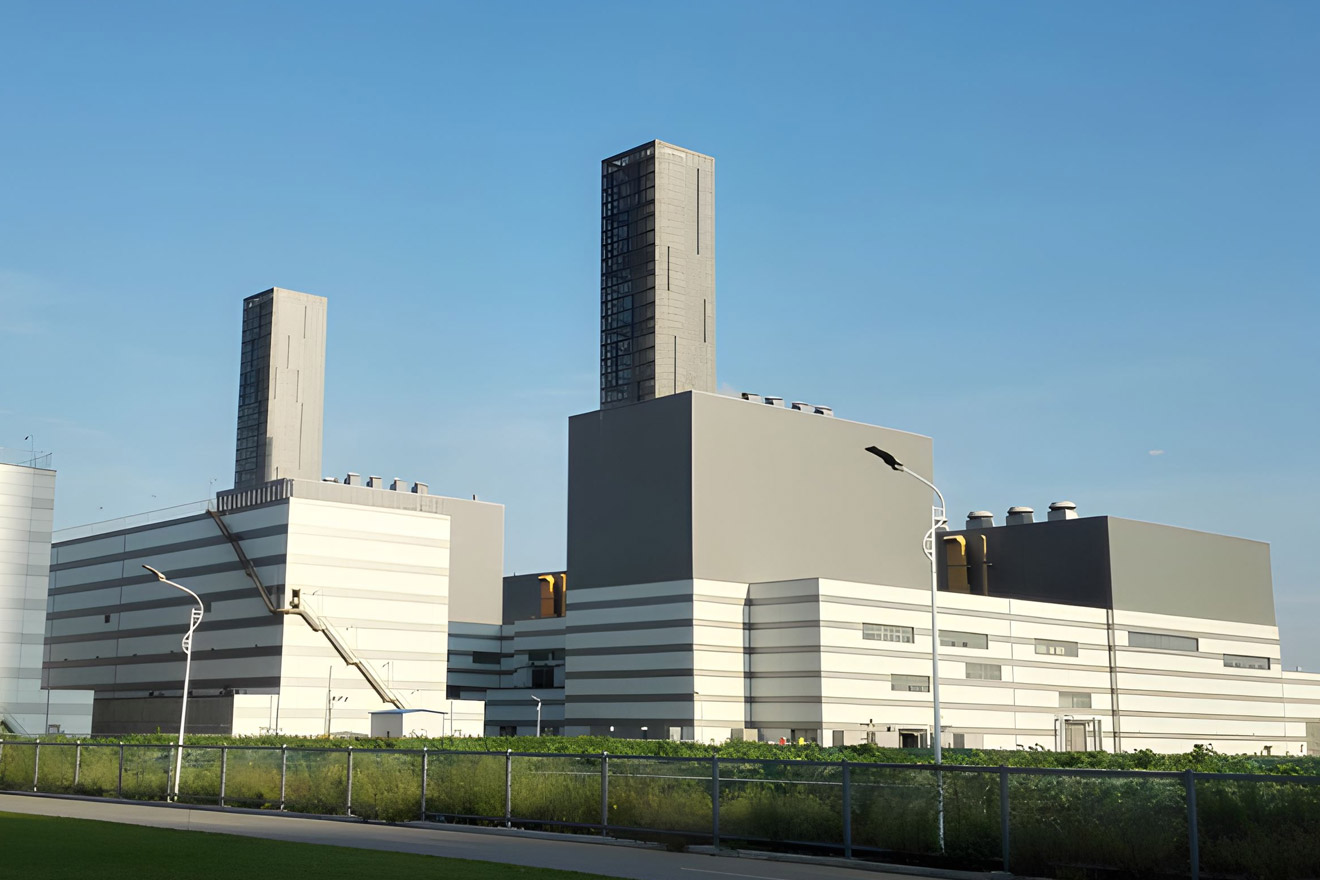
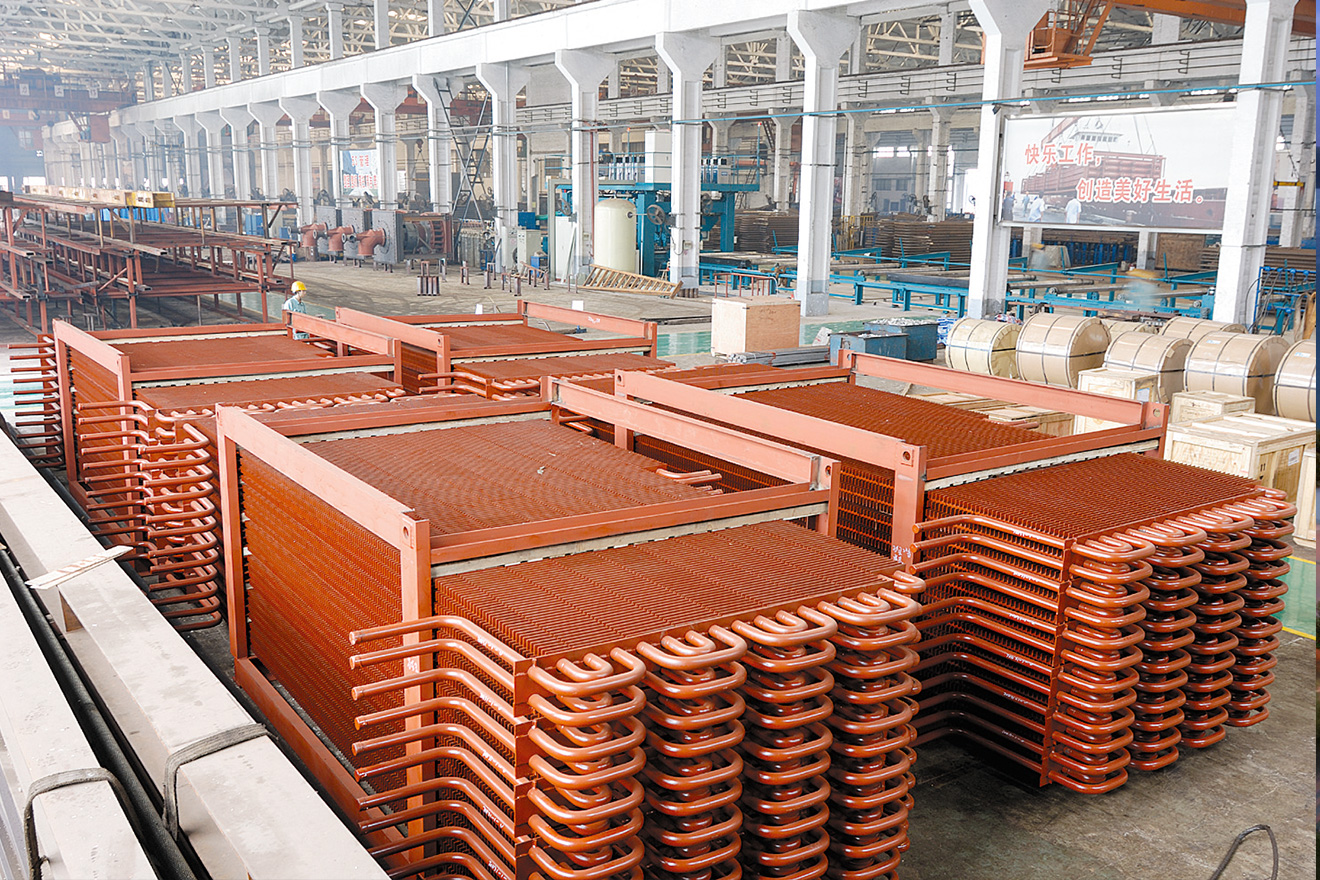
In modern combined cycle power plants, energy efficiency and emissions reduction are two of the most critical objectives. Among the technologies that enable this performance, the F class Heat Recovery Steam Generator (HRSG) has become a key component. Designed to recover high-temperature exhaust heat from large gas turbines, the F class HRSG converts waste heat into valuable steam energy, significantly improving overall power generation efficiency.
This article explores the working principles, technical features, advantages, and industry applications of F class HRSG boilers, helping energy professionals understand why they remain a core technology in modern gas-fired combined cycle power plants.
An F class HRSG (Heat Recovery Steam Generator) is a boiler designed to capture the high-temperature exhaust gases produced by F-class gas turbines and convert that thermal energy into steam for additional power generation.
In a typical combined cycle power plant, the HRSG is installed downstream of the gas turbine. Instead of releasing hot exhaust gas directly into the atmosphere, the HRSG extracts thermal energy and uses it to produce steam, which then drives a steam turbine to generate additional electricity.
| System Component | Function |
|---|---|
| Gas Turbine | Generates electricity and produces high-temperature exhaust gas |
| F Class HRSG Boiler | Recovers exhaust heat and converts it into steam |
| Steam Turbine | Converts steam energy into additional electrical power |
| Condenser & Feedwater System | Recovers condensed steam and maintains the water cycle |
Through this dual power generation cycle, overall plant efficiency can exceed 55–60%, which is significantly higher than traditional single-cycle thermal power plants.
F class HRSG systems typically include several heat exchange sections designed to maximize energy recovery from turbine exhaust gas.
| Component | Function |
|---|---|
| Economizer | Preheats feedwater using low-temperature exhaust gas |
| Evaporator | Converts water into saturated steam |
| Superheater | Raises steam temperature to improve turbine efficiency |
| Reheater | Reheats partially expanded steam for improved cycle performance |
| Steam Drums (HP/IP/LP) | Separate steam and water in multi-pressure systems |
Advanced HRSG systems often use three pressure levels—high, intermediate, and low pressure—to maximize thermal efficiency and optimize steam cycle performance.
Modern F class HRSG boilers incorporate advanced thermal design and manufacturing technologies to ensure high efficiency and long-term reliability.
| Feature | Description |
|---|---|
| Advanced Thermal Design | Optimized heat transfer surfaces improve waste heat recovery |
| Multi-Pressure Steam Cycle | Supports single, dual, or triple pressure configurations |
| High Temperature Resistance | Designed for turbine exhaust gases exceeding 600 °C |
| Modular Structure | Simplifies transportation and installation |
| Intelligent Monitoring System | Real-time monitoring of temperature, pressure, and flow |
Many modern HRSG manufacturers utilize thermal calculation models and optimization software to simulate exhaust gas heat transfer, allowing engineers to maximize energy capture and reduce thermal losses.
By converting gas turbine exhaust heat into steam energy, F class HRSG systems dramatically increase power plant efficiency.
Recovering waste heat allows the plant to generate more electricity without additional fuel consumption.
Higher efficiency means lower fuel usage per unit of electricity generated, which reduces greenhouse gas emissions.
F class HRSG systems can support load changes and fast start-up operations, enabling power plants to adapt to variable electricity demand.
High-quality materials and strict manufacturing processes allow HRSG boilers to operate safely under extreme temperature and pressure conditions.
F class HRSG boilers are widely used in industries that require efficient energy recovery and large-scale power generation.
| Industry | Application Scenario |
|---|---|
| Combined Cycle Power Plants | Electricity generation using gas turbine waste heat |
| Industrial Cogeneration | Simultaneous production of electricity and process steam |
| Petrochemical Industry | Steam supply for refining and chemical processes |
| Metallurgy Industry | Waste heat recovery in industrial plants |
| LNG Power Stations | Energy recovery from gas turbine exhaust systems |
These applications make HRSG technology essential for modern energy-efficient and low-carbon power generation systems.
As global energy systems transition toward cleaner power generation, HRSG technology continues to evolve.
Higher temperature and pressure HRSG systems
Advanced materials for improved heat transfer
Digital monitoring and predictive maintenance systems
Faster start-up capability for renewable energy integration
Integration with carbon reduction technologies
Although newer turbine classes such as H-class and J-class systems are emerging, F class HRSG boilers remain widely used due to their mature technology, proven reliability, and strong economic performance.
HRSG stands for Heat Recovery Steam Generator, a boiler that captures exhaust heat from gas turbines and converts it into steam for additional power generation.
The main function of an F class HRSG is to recover waste heat from F-class gas turbines and produce steam, improving the efficiency of combined cycle power plants.
Most HRSG boilers use single-pressure, dual-pressure, or triple-pressure steam cycles, depending on the efficiency requirements of the power plant.
By utilizing exhaust heat that would otherwise be wasted, HRSG systems allow the plant to generate additional electricity without extra fuel consumption.
H-class HRSG systems are designed for higher turbine inlet temperatures and higher efficiency, while F-class systems are more mature and widely deployed across global combined cycle plants.
MHl Power Dongfang Boiler Co., Ltd. – F Class HRSG Boiler Product Information.
Industry Overview of Heat Recovery Steam Generator Technology in Combined Cycle Power Plants.
Performance Characteristics of Combined Cycle Gas Turbine and HRSG Systems

No.1267, Chenggong Road, Jiaxing City, Zhejiang Province, China

sales1@mhdb.com.cn / sales2@mhdb.com.cn

+86-573-82625131 / +86-573-82625132
+86-573-82625133

+86-573–82625130
© MHl Power Dongfang Boiler Co., Ltd. (MHDB) All Rights Reserved.
